True interior comfort is not achieved through accumulating decorative items, but by ensuring every element serves a clear purpose while contributing to an atmosphere of ease. This guide shifts the focus from achieving a flawless static image to building a living space that supports daily routines. We explore how thoughtful proportion, strategic material selection, and intentional maintenance can transform a house into a sanctuary that feels settled, durable, and inviting with time.
Designing for Daily Utility: Prioritizing Flow Over Density
The foundational step in any thoughtful design is prioritizing movement. Before selecting visually striking pieces, assess the room's primary function and map out how people will actually use the space throughout a typical day. A common mistake is choosing furniture based purely on aesthetics, resulting in cluttered pathways and constricted zones. Instead, ensure clear traffic flow; maintain minimum unobstructed circulation paths of 75 to 90 centimeters (30-36 inches) through key areas like hallways or between seating groups. This simple measurement allows the room to breathe, giving the eye a place to rest and reducing subconscious friction.
Proportion is paramount when utility is the goal. Resist the urge to fill every available corner with accent pieces. Instead, allow anchor furniture—such as a sofa or dining table—to dictate the scale of the surrounding elements. If you have a large piece, counterbalance its visual weight with negative space rather than piling on small items. Consider the trade-off: while dense arrangements can look 'full' in a photograph, they often feel claustrophobic during active use. Opt for pieces that are appropriately scaled to the room’s footprint, not merely the designer's preference.
Function should dictate form. When selecting storage solutions or surfaces, ask whether the item is genuinely useful or merely decorative filler. For example, a side table that only holds a vase is less functional than one with a sturdy drawer for remote controls and charging cables. If space is limited, look vertically; use tall, narrow shelving units rather than wide, sprawling consoles. The goal is to create zones of ease—areas where you can pause, put something down, or sit comfortably without maneuvering around obstacles.

Strategic Material Choices and Enduring Care
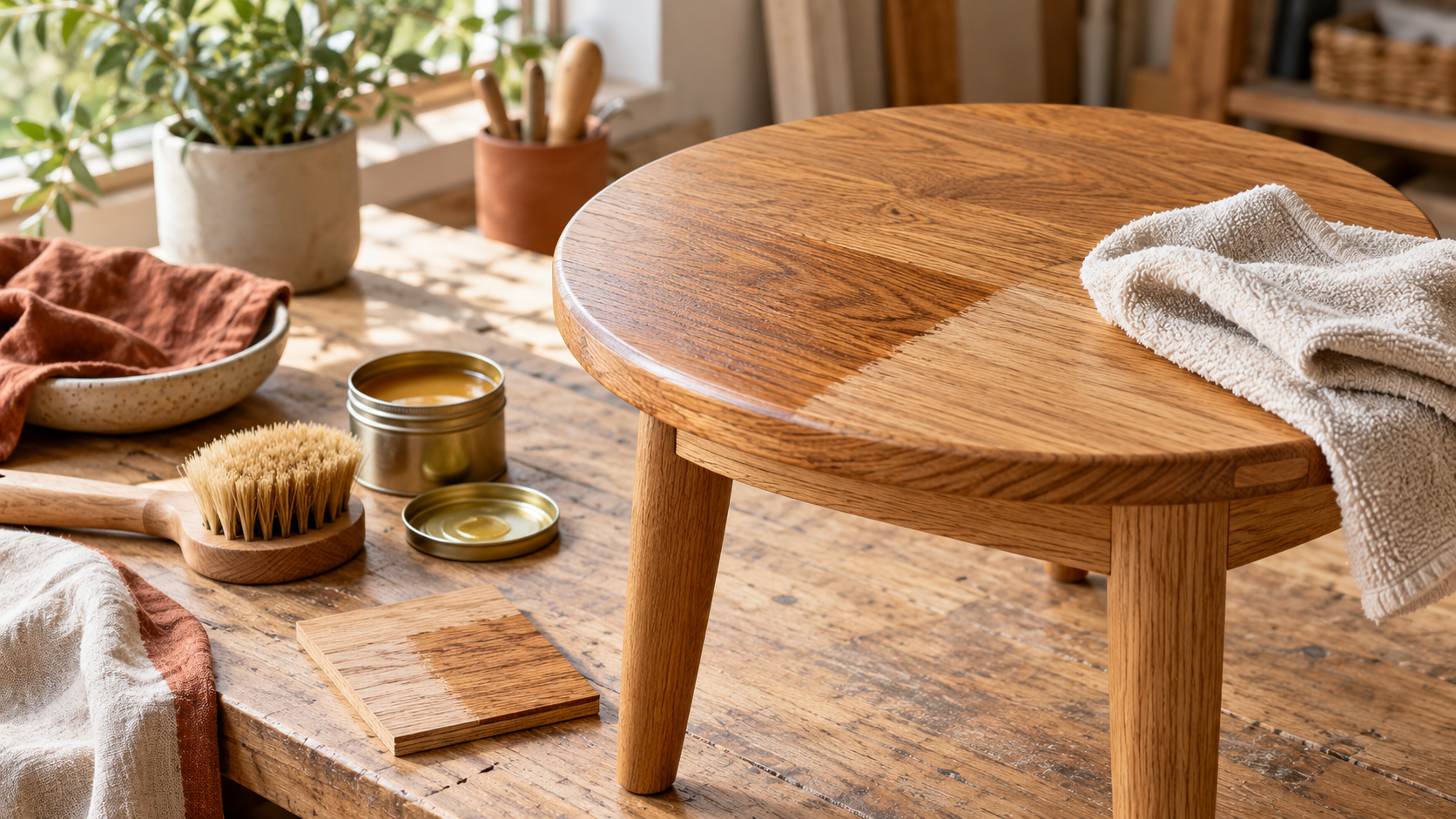
The durability of a space relies heavily on the materials chosen. Select surfaces that are not only beautiful but forgiving to daily wear. Natural timber, for instance, requires specific care based entirely on its finish—an oiled surface demands periodic replenishment with oil, while a lacquer-sealed piece needs gentle cleaning solutions and protection from direct moisture. Never use generalized cleaners; always identify the original protective coating to ensure compatibility. If you are unsure of the appropriate maintenance routine, perform a small patch test in an inconspicuous area first.
Textiles introduce texture but also bring vulnerability. When choosing upholstery or rugs, balance tactile appeal with resilience. High-traffic areas benefit from fibers that resist pilling and staining, such as certain dense weaves or performance blends, even if they lack the delicate hand-feel of silk. Conversely, for accent chairs used infrequently, you might opt for a more delicate linen to enhance comfort. The trade-off here is between immediate tactile pleasure and long-term maintenance effort; choosing durable fabrics reduces future cleaning headaches.
Stone and ceramic surfaces offer timeless longevity but require specific attention to sealing. Countertops or tabletops made of natural stone should be periodically sealed (typically every 1–3 years, depending on the stone type) to prevent staining from oils and acids found in food or beverages. When caring for wood furniture with a varnish finish, avoid abrasive scrubbing; dust regularly using a soft cloth and only apply approved, non-solvent polishes when necessary. Proper maintenance isn't just about cleaning up messes; it is an act of preserving the material’s structural integrity.
Curating Atmosphere Through Detail and Light
Atmosphere is often defined by light, not just décor. Relying solely on overhead ambient lighting creates harsh shadows and flattens the texture of materials. To achieve depth and warmth, implement layered lighting: incorporate a central ambient source (like a ceiling fixture), supplemented by focused task lighting (such as a reading lamp near a chair), and finally, soft accent lighting (like a floor lamp behind a plant). This layering allows you to adjust the mood throughout the day—brighter for morning tasks, softer for evening relaxation.
The role of accessible storage is crucial for maintaining visual calm. Clutter often appears when necessary items are stored out of reach or in highly visible places. Instead of displaying every small knick-knack, invest in attractive, functional closed storage (cabinets, woven baskets with lids) to hide less aesthetically pleasing routine items—cables, remotes, charging bricks. This simple decision prevents the room from looking perpetually 'in progress' and contributes significantly to a sense of settled ease.
Small details are where functionality meets beauty. A well-placed plant introduces organic texture and life without demanding much maintenance if chosen correctly (e.g., snake plants or ZZ plants). Similarly, choosing textiles that change how the room feels with light—a heavy wool throw in winter, a sheer linen curtain in summer—adds depth without adding visual noise. The key is restraint: repeat one specific finish or tone across several small details to unify the space, making the overall design feel considered and intentional rather than accidental.
Practical Planning Notes
Measure twice, test products in an inconspicuous area, and photograph fittings before taking anything apart.
Material Perspective
Microfiber is gentle for finished wood; natural-bristle brushes suit detailed dusting; abrasive pads can damage protective coatings.
Before You Commit
Note the finish, cleaning product, test area, drying time, and any change before treating the full surface.
For related, room-specific ideas, continue with the guides in this category or return to the Furnlyra home page.