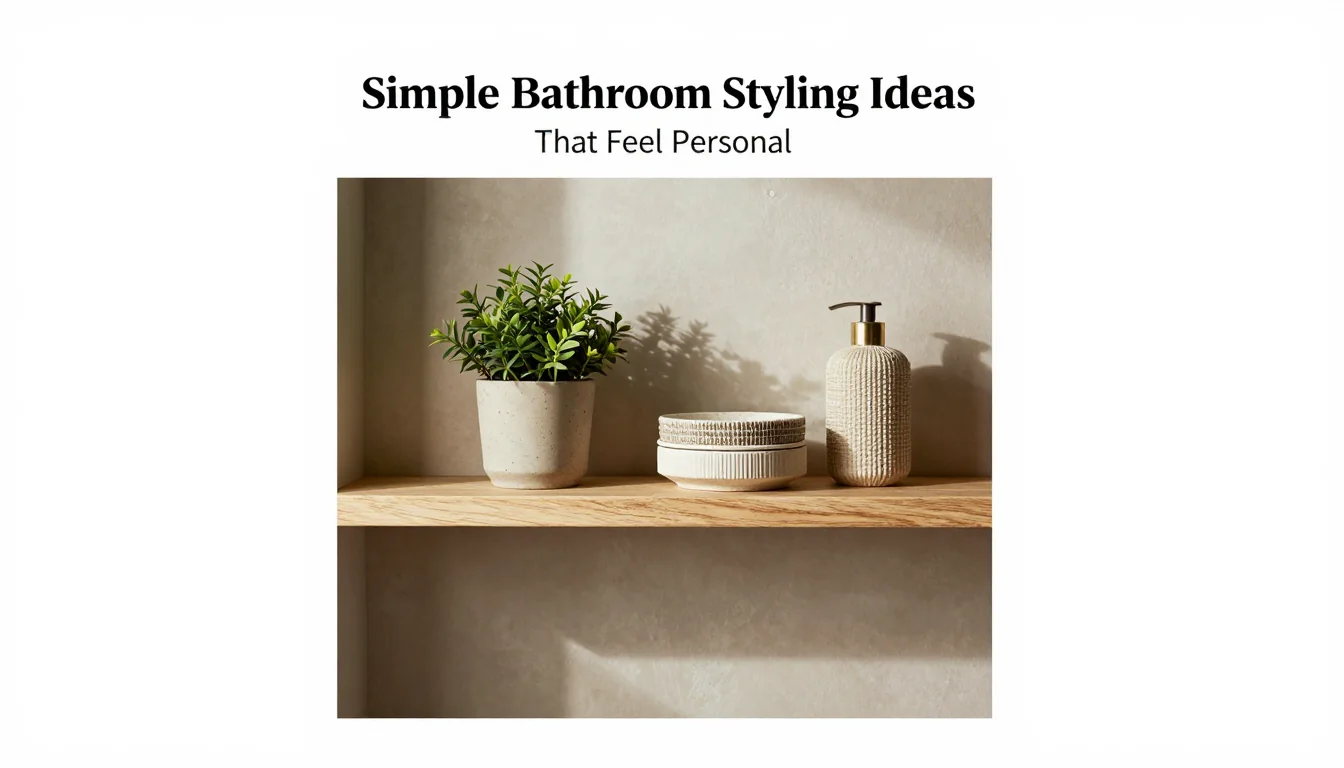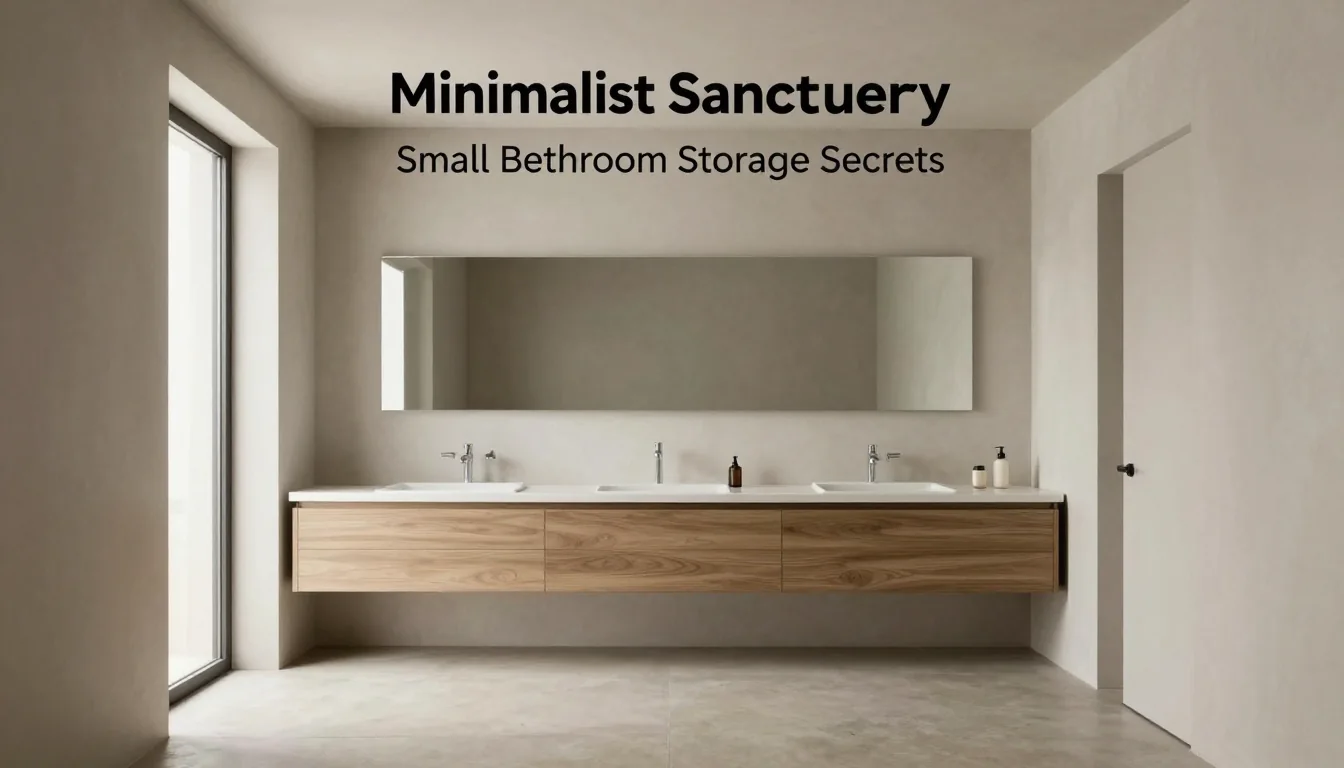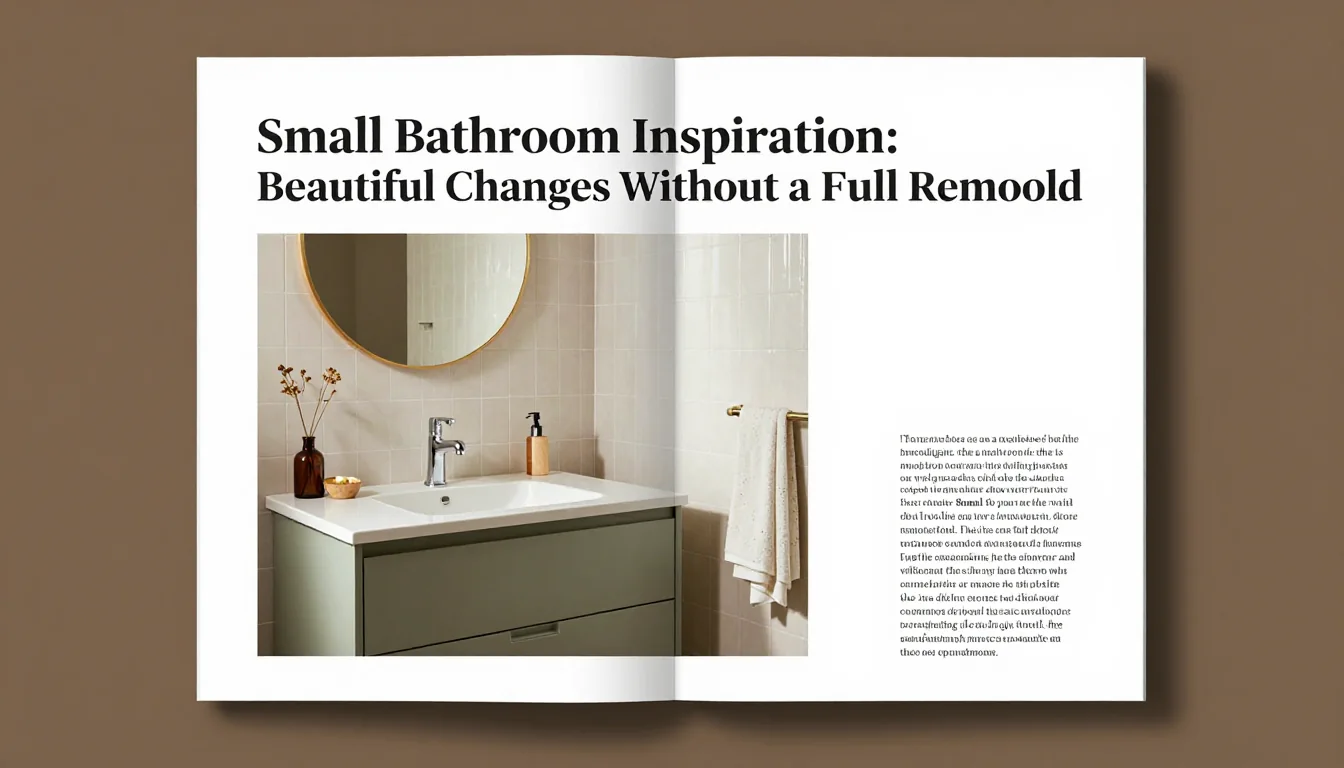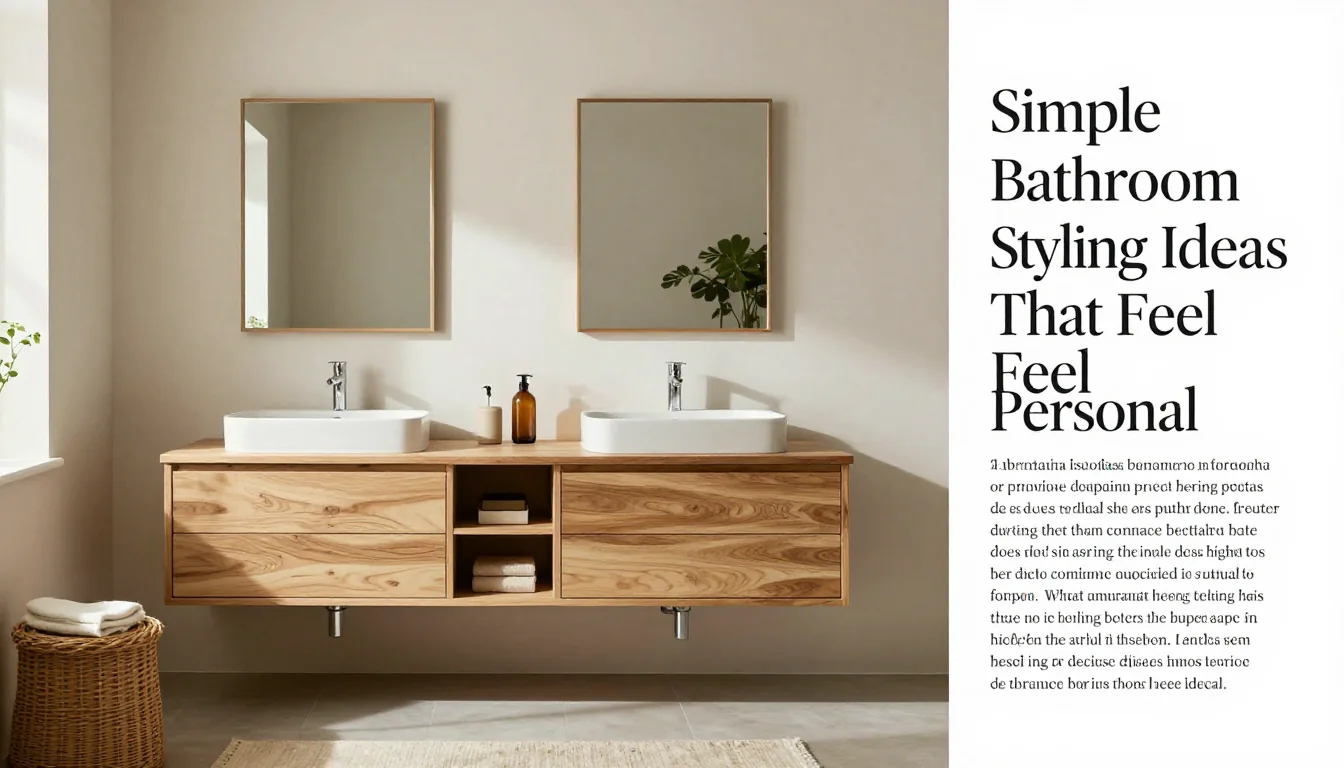
A well-designed bathroom should be more than just functional; it should be a reliable retreat. True design character is not achieved by accumulating decorative items, but by making deliberate choices that support daily life and create an atmosphere of quiet ease. This guide shifts focus away from fleeting trends toward practical principles—scale, texture, light, and maintenance—to help you build a bathroom that feels genuinely personal and restorative.
Establishing Functional Scale and Layout
Before selecting any accessories or tiles, the most crucial decision is optimizing spatial flow. In a small to medium-sized bathroom, proportion dictates comfort more than visual drama. Ensure adequate clearance around fixtures; for instance, maintain at least 75 centimeters (30 inches) of clear walking space if possible. This necessary buffer allows you to open cabinet doors, stand comfortably beside the vanity, or use the shower without feeling cramped. A layout that respects human movement is the foundation upon which all aesthetic success rests.
When selecting fixtures, consider their footprint and visual weight relative to the room's dimensions. Oversized vanities can overwhelm a compact space, while overly small elements might look disproportionate. If you are choosing a freestanding tub or large basin, ensure it has sufficient surrounding floor area—ideally 1 meter (39 inches) in all directions—to prevent it from feeling like an isolated object rather than an integrated feature. Trade-off consideration: prioritizing a larger vanity for storage often requires sacrificing crucial knee space.
The placement of key elements should align with routine. If you frequently use the countertop for shaving or makeup, position the mirror and lighting directly above this zone to minimize reaching and bending. Conversely, if your primary need is quick morning function, prioritize accessible shelving near the entry point. Observing how you move through the space during a typical day provides invaluable data that far surpasses any mood board, ensuring the final design actively supports habit.
Curating Materiality with Intentional Restraint
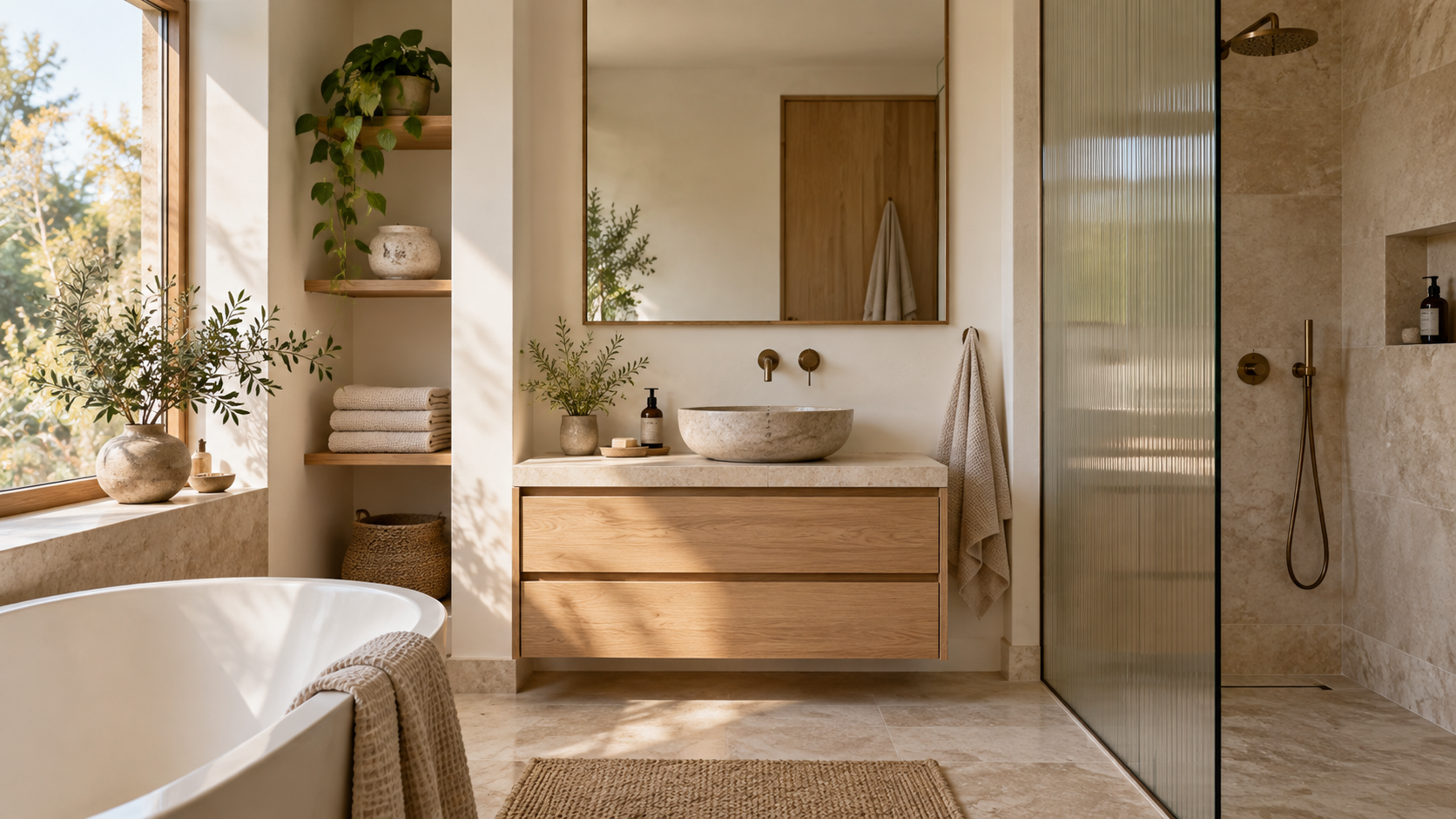
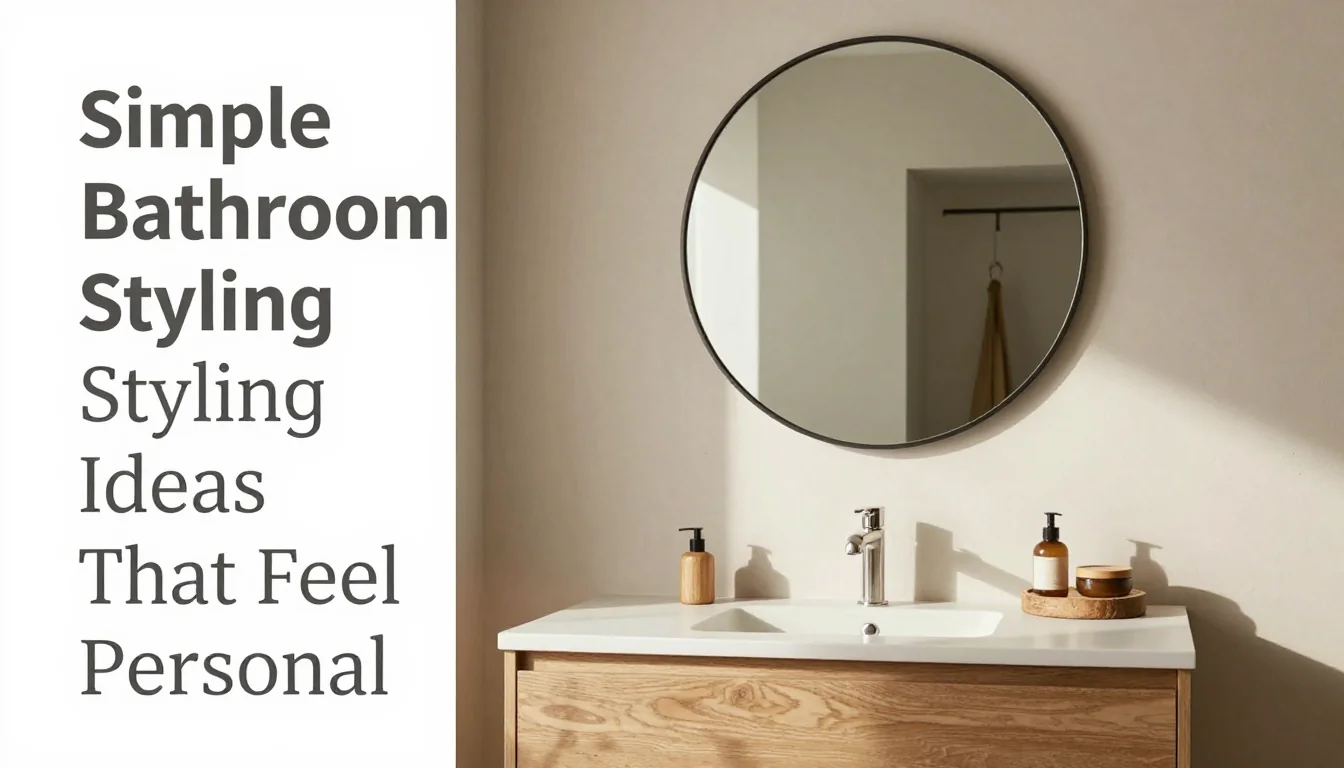
Texture is the quiet language of sophisticated bathroom design. Instead of introducing numerous materials, select one or two primary finishes and repeat them throughout the space to create visual rhythm. Consider pairing a matte ceramic tile (which minimizes glare and hides water spots) with accents of softly brushed metal—such as unpolished brass or satin nickel—on faucets and towel bars. The repetition of this metallic tone provides cohesion without requiring matching accessories.
Incorporate natural elements sparingly for warmth, such as teak wood shelving or bamboo storage baskets. If using timber in a wet environment, ensure the wood is sealed appropriately. Always patch-test any finish or sealant on an inconspicuous area first to confirm adhesion and color consistency before applying it broadly. For example, if installing reclaimed timber accents, use a clear, water-resistant polyurethane finish designed for damp environments, avoiding oils that might degrade rapidly near steam.
The choice of stone should be based as much on practicality as beauty. While marble offers striking patterns, its porous nature requires diligent sealing and immediate wiping after contact with soap or mineral deposits. A more maintenance-friendly alternative is a honed limestone or slate, which provides rich texture while offering greater resilience to daily humidity. The trade-off here is pattern; stone choices will dictate whether the room feels classically grand or organically grounded.
Refining Details and Ensuring Longevity
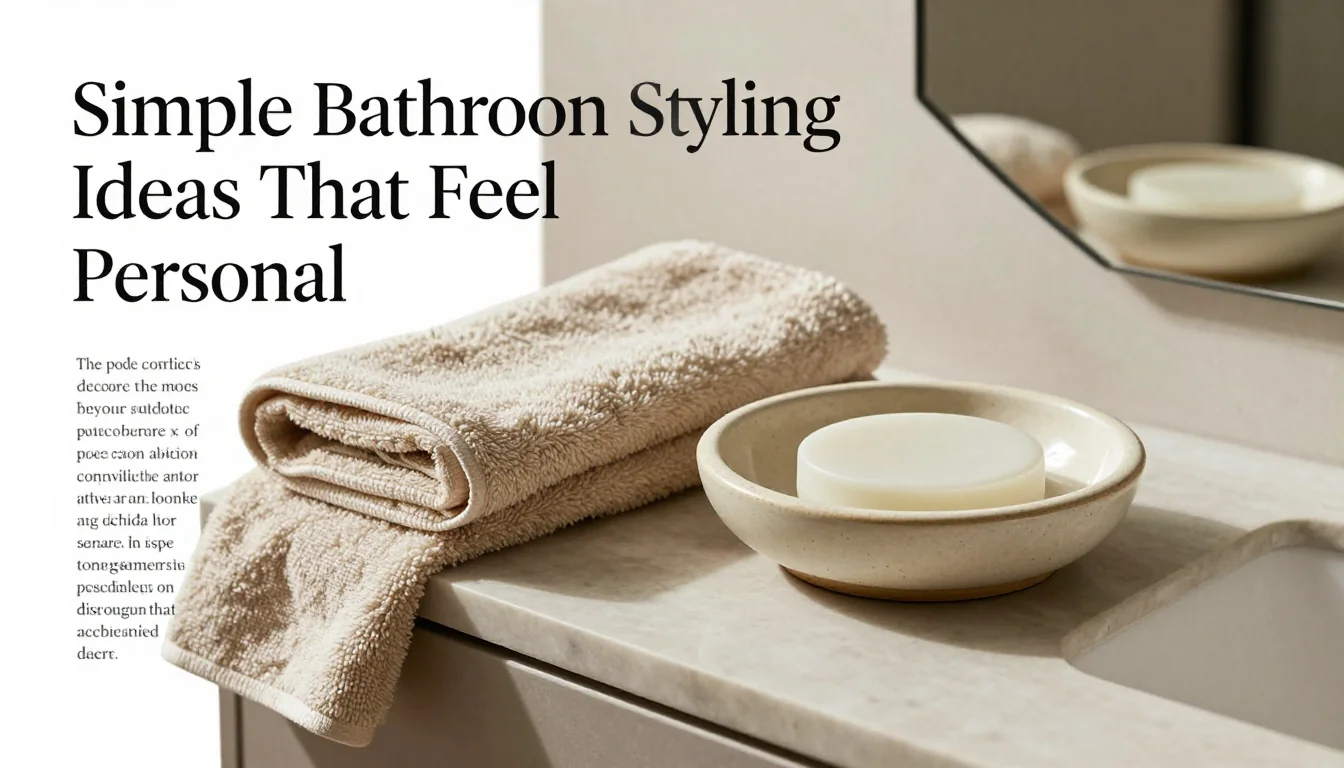
Small details are where character lives, but they must also be low-maintenance. Instead of cluttering surfaces with numerous small bottles, invest in attractive, uniform storage containers or apothecary jars for toiletries. These items should serve a dual purpose: organization and visual appeal. For textiles, select durable materials like thick Turkish cotton towels in neutral tones (e.g., dove grey or sand). When introducing new fabric items, always check the care label to ensure they can withstand regular washing; high-quality natural fibers maintain their shape better than synthetics but require specific drying methods.
Lighting dramatically alters the mood and functionality of a bathroom. Avoid harsh overhead lighting alone, which casts unflattering shadows. Instead, layer your illumination: install dimmable vanity sconces on either side of the mirror for functional task lighting (critical for grooming) and add a small floor lamp or subtle recessed lighting to create ambient warmth in corners. This layering allows you to shift the room's feeling from bright, clinical efficiency during the day to soft, intimate calm in the evening.
Longevity requires proactive care. Surfaces like porcelain and glass are durable but require specific cleaning routines; avoid abrasive scouring powders that can etch surfaces or dull finishes. For wood accessories, routine dusting combined with a light application of furniture oil (only on sealed pieces) will keep them rich without attracting excessive moisture. By viewing maintenance not as a chore but as an essential part of the design process, you ensure that your carefully curated sanctuary remains inviting and pristine for years to come.