A truly successful interior space is defined not by its most dramatic features, but by its quiet ability to support daily life. In the context of the bathroom—a room used for intimate routines rather than grand displays—design must prioritize function above all else. The goal is to create a setting that feels inherently restful and effortlessly maintained. This guide moves beyond fleeting trends to offer specific strategies for elevating your bathroom through considered proportion, restrained materiality, and intelligent lighting.
Prioritizing Spatial Flow: Mastering Bathroom Proportion
The most crucial step in any renovation is determining the room’s primary function. Before selecting fixtures or finishes, assess where friction occurs—is it difficulty maneuvering around a vanity? Is there cramped space between the toilet and shower enclosure? In smaller bathrooms (under 5x8 feet), prioritize clear sightlines over maximizing storage volume. Ensure that walking paths are consistently at least 30 inches wide to allow comfortable passage and avoid feeling claustrophobic. If you must sacrifice something, trade a deep vanity for a narrower one; never compromise on circulation space.
When selecting enclosures or furniture, always consider the 'operational footprint.' This is the required clearance needed when a door opens, drawers pull out, or someone stands next to a sink. For instance, if your basin depth is 21 inches, ensure there are at least 18-20 inches of clear knee space beneath it for comfortable use. A common mistake is choosing furniture that looks large in an image but overwhelms the actual floor plan; this leads to visual clutter and psychological stress during routine use. The trade-off here is often sacrificing maximal storage for superior, unimpeded movement.
For layouts involving a shower or bath, consider positioning fixtures against walls rather than floating them into the center of the room, which can visually fragment small spaces. If you are installing a walk-in shower, aim for minimum dimensions of 36 by 48 inches to feel genuinely spacious and comfortable. A smaller enclosure (24x30 inches) is functionally acceptable but risks feeling restrictive. Focus on creating zones—a wet zone and a dry zone—even in tiny bathrooms, using subtle changes in flooring or tile texture to define boundaries without building unnecessary walls.
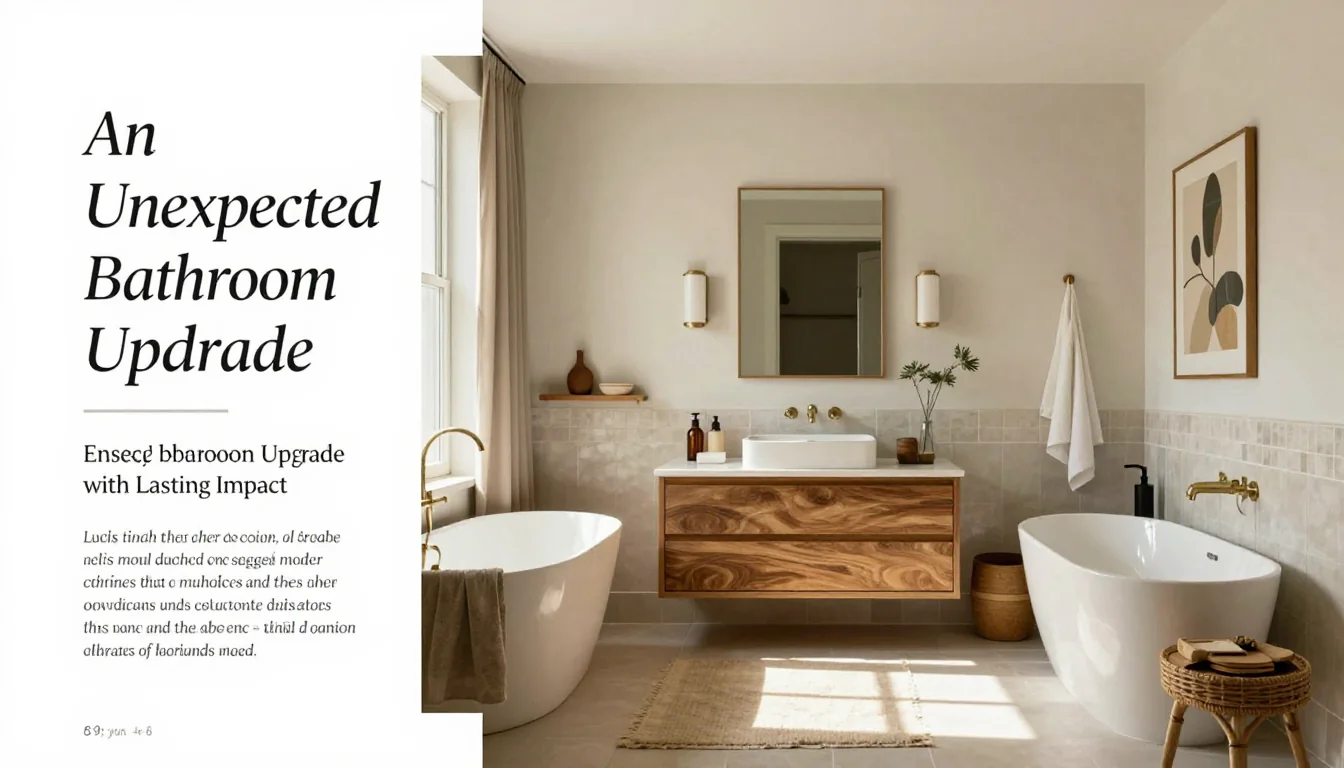
Curating Tactile Surfaces: The Power of Restrained Materiality
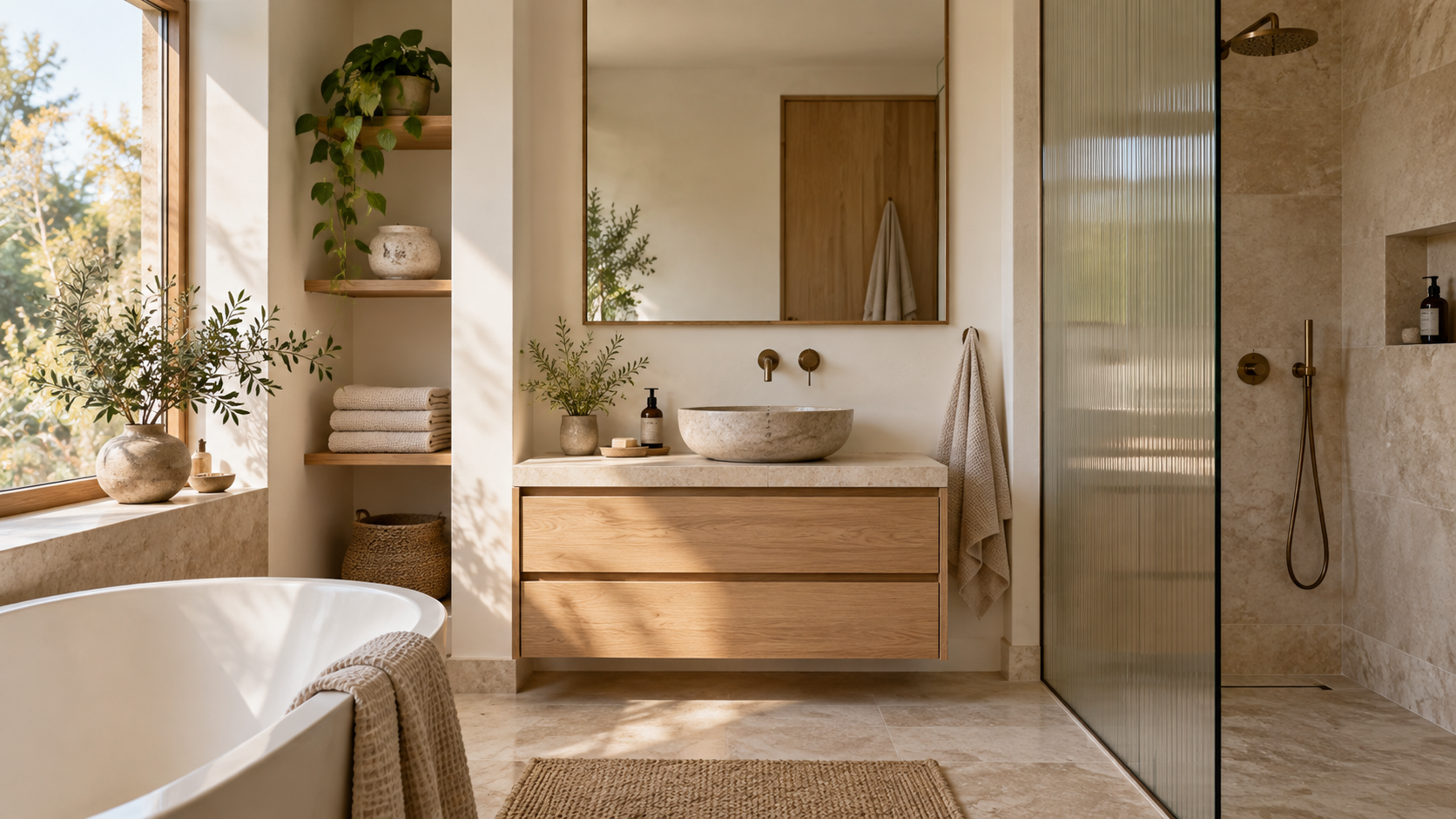
Texture is the key to making a practical space feel luxurious, but it requires discipline. Instead of using multiple materials in varying shades (which creates visual noise), select one or two dominant tactile finishes and repeat them throughout the room. For example, if you choose honed limestone for your vanity top, consider matching that stone tone on the floor tiles or the shower pan surround. This repetition provides a settled rhythm to the space, making the design feel cohesive rather than merely decorated.
The choice of fixture finish—matte black, brushed brass, satin chrome, etc.—should be consistent across all hardware (taps, towel rails, cabinet pulls). A common error is mixing finishes; for instance, pairing polished gold faucets with matte grey cabinetry. This clash feels disjointed and accidental. If you prefer a warm aesthetic, opt for aged bronze or soft brushed brass, which introduces depth without the high shine of polished metals. The trade-off between highly reflective (polished) and low-sheen (matte/honed) surfaces is crucial: polished surfaces amplify light but show water spots easily; matte finishes hide imperfections better but can sometimes feel duller.
When integrating natural elements like timber, ensure the wood is chosen for its durability and ease of maintenance. If using a teak or walnut vanity top, always check that it is sealed specifically for wet environments. Always patch-test any wood sealant on an inconspicuous area first to confirm color stability. For stone surfaces—whether porcelain or natural marble—always use grout colors that match the tile body closely; overly contrasting grout lines can make large tiled areas look busy and distracting, detracting from the intended calm.
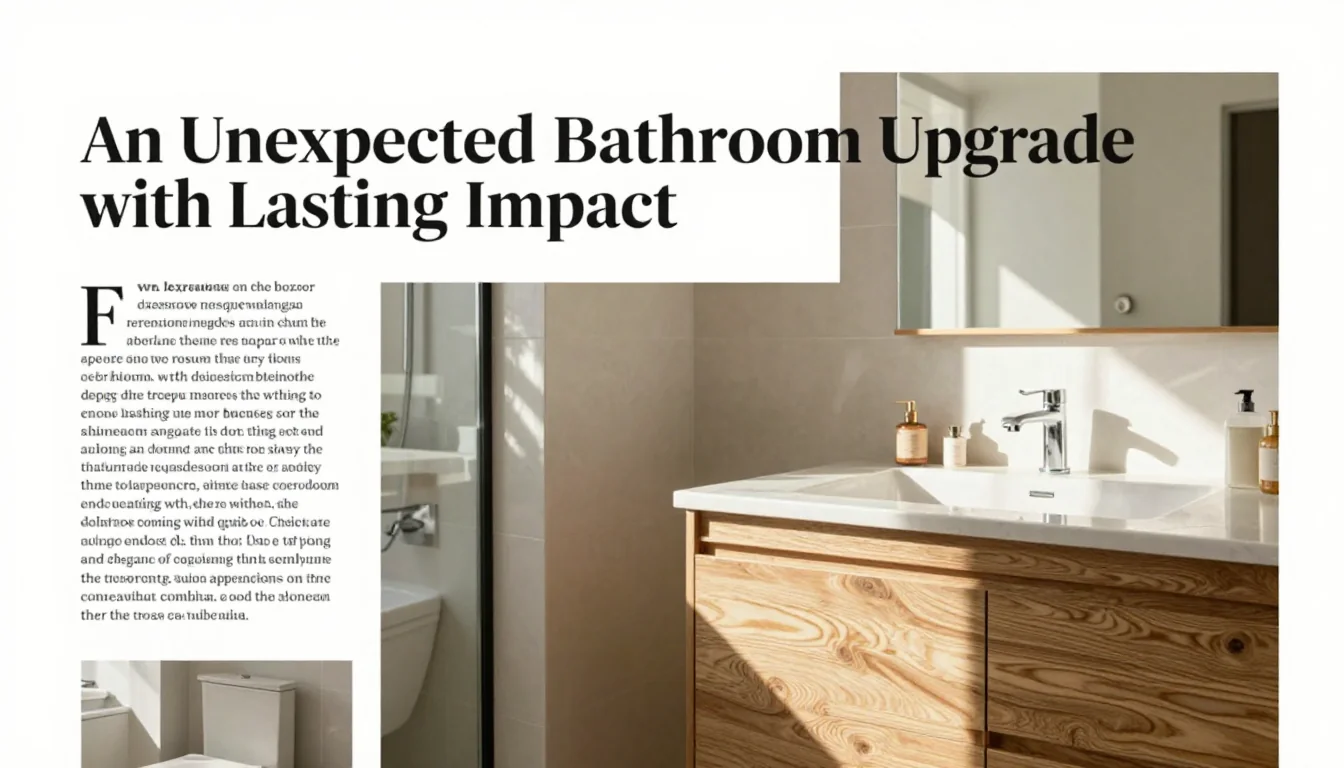
Optimizing Ambiance: Light, Maintenance, and Longevity
Lighting in a bathroom must serve both function and mood. Avoid relying solely on harsh overhead lighting; this creates deep shadows that obscure the space's features and make tasks difficult. Implement layered lighting: install bright, task-specific LED strips under the vanity for clear grooming light, supplemented by soft ambient sconces or wall uplights near mirrors to create a gentle wash of light. The trade-off here is complexity versus comfort; while layering requires more initial electrical work, it dramatically improves daily usability and mood.
Maintenance considerations should dictate your finish choices. If you anticipate frequent use or have children, prioritize highly durable materials that resist staining—solid surface countertops are often easier to clean than natural marble. For any DIY cleaning of stone, always test the cleaner on a small patch first; never mix acidic cleaners with bleach-based products, as this can create toxic fumes and damage porous surfaces. A good rule of thumb for tile is selecting porcelain over ceramic if high traffic or moisture resistance is paramount.
Finally, use textiles sparingly to introduce softness without sacrificing practicality. Instead of numerous decorative items, anchor the room with one large, absorbent bath mat in a durable material like looped cotton or woven wool. This textile can soften the visual impact of hard surfaces and absorb water efficiently. Consider introducing plants—such as low-maintenance snake plants or ferns—in ceramic pots; they add natural life without demanding excessive care. These small, intentional details transform a purely functional room into an inviting sanctuary.
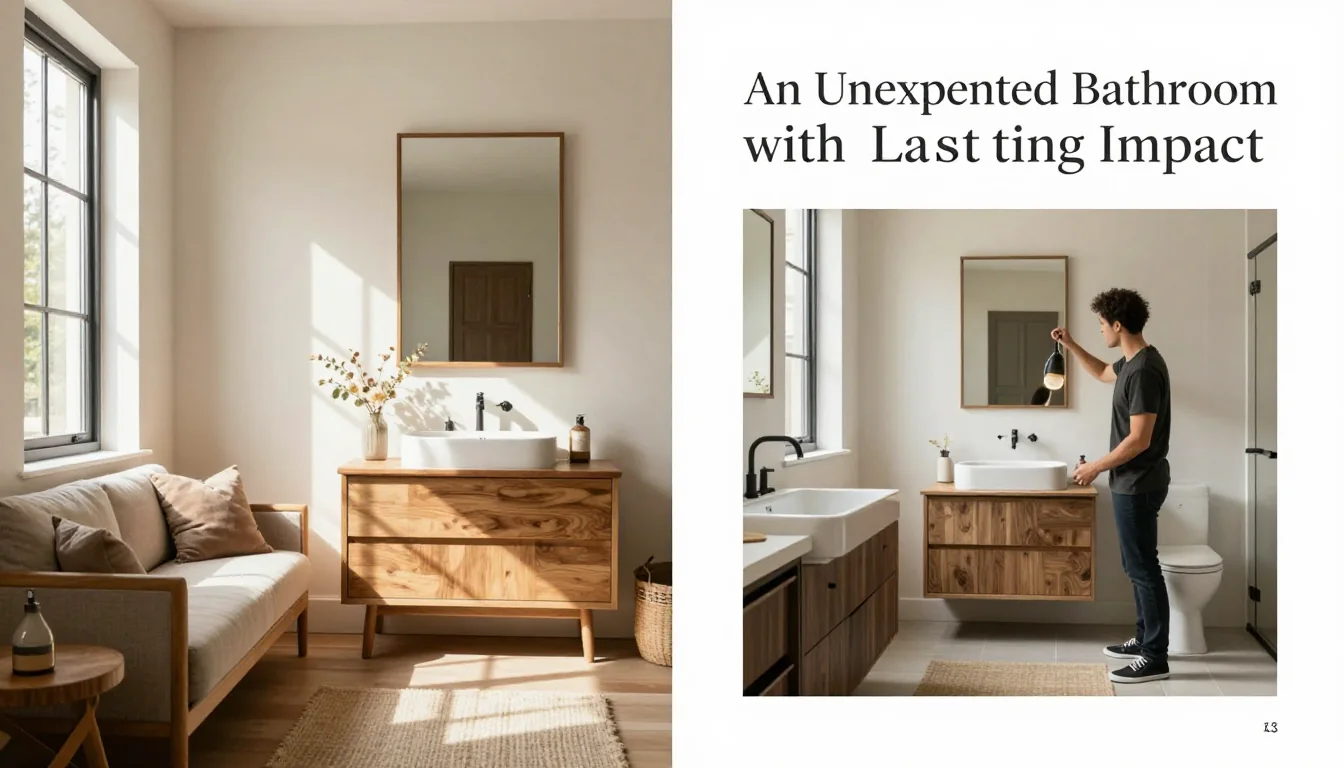
Practical Planning Notes
Keep frequently used storage within arm’s reach of the vanity and allow a clear, dry path from shower to towel storage.
Material Perspective
Porcelain is durable and low-maintenance; natural stone is tactile but needs sealing and appropriate cleaners.
Before You Commit
Review ventilation, splash zones, closed storage, and layered lighting at the mirror.
For related, room-specific ideas, continue with the guides in this category or return to the Furnlyra home page.