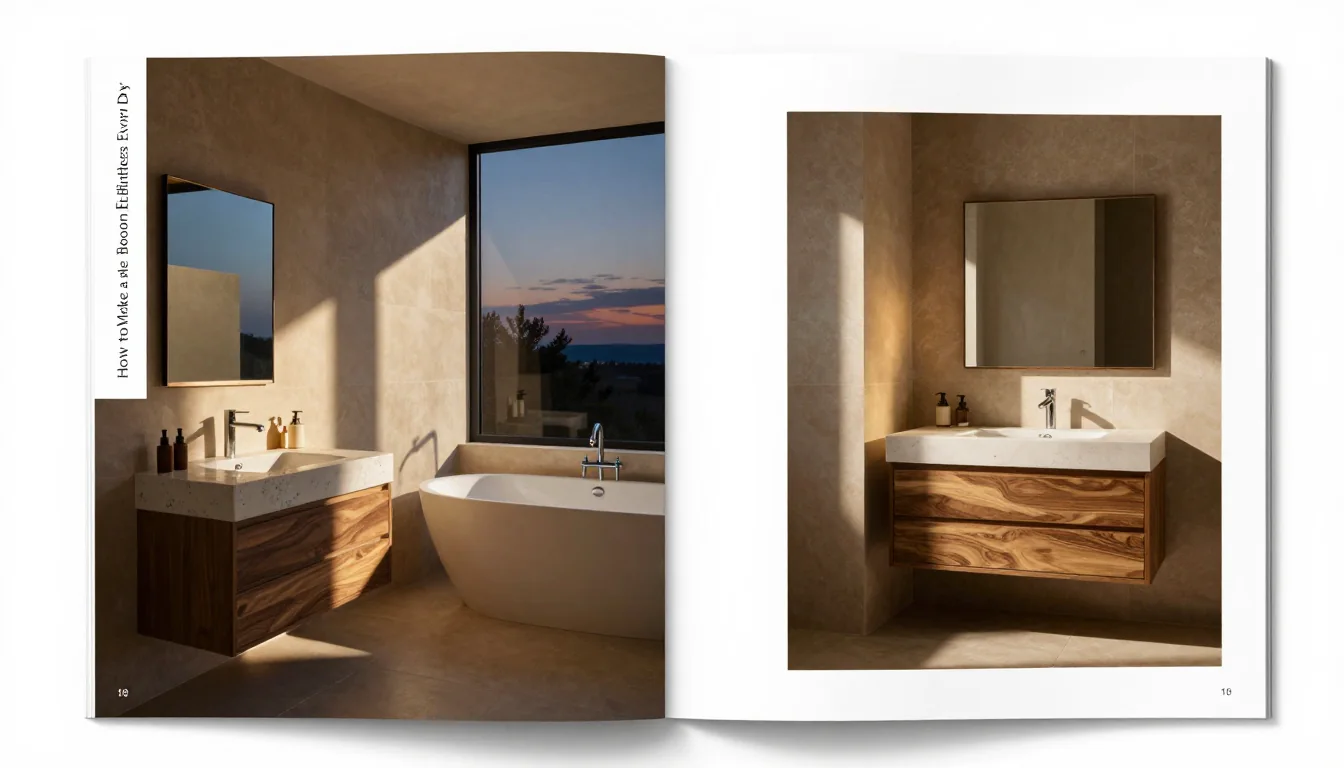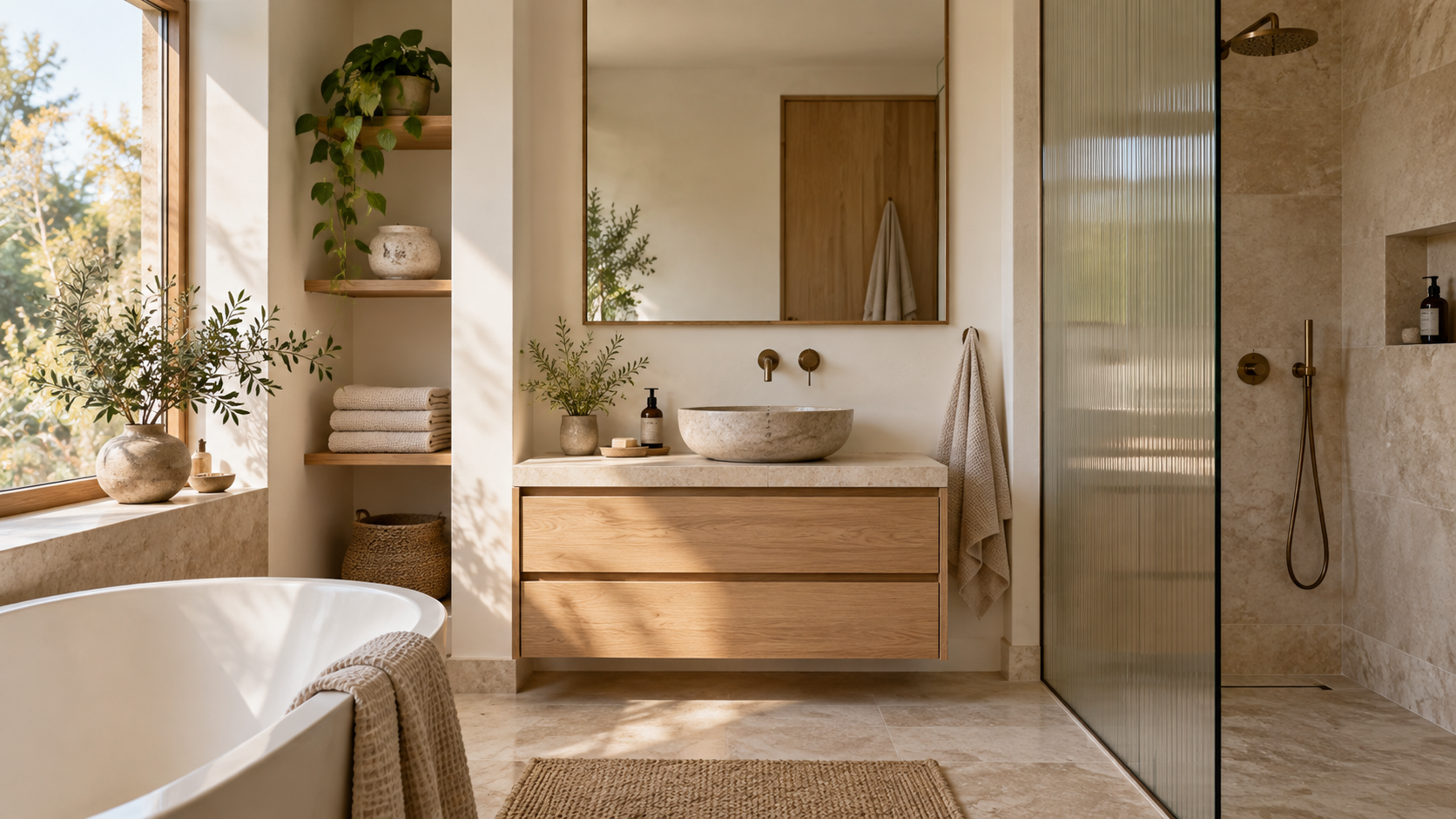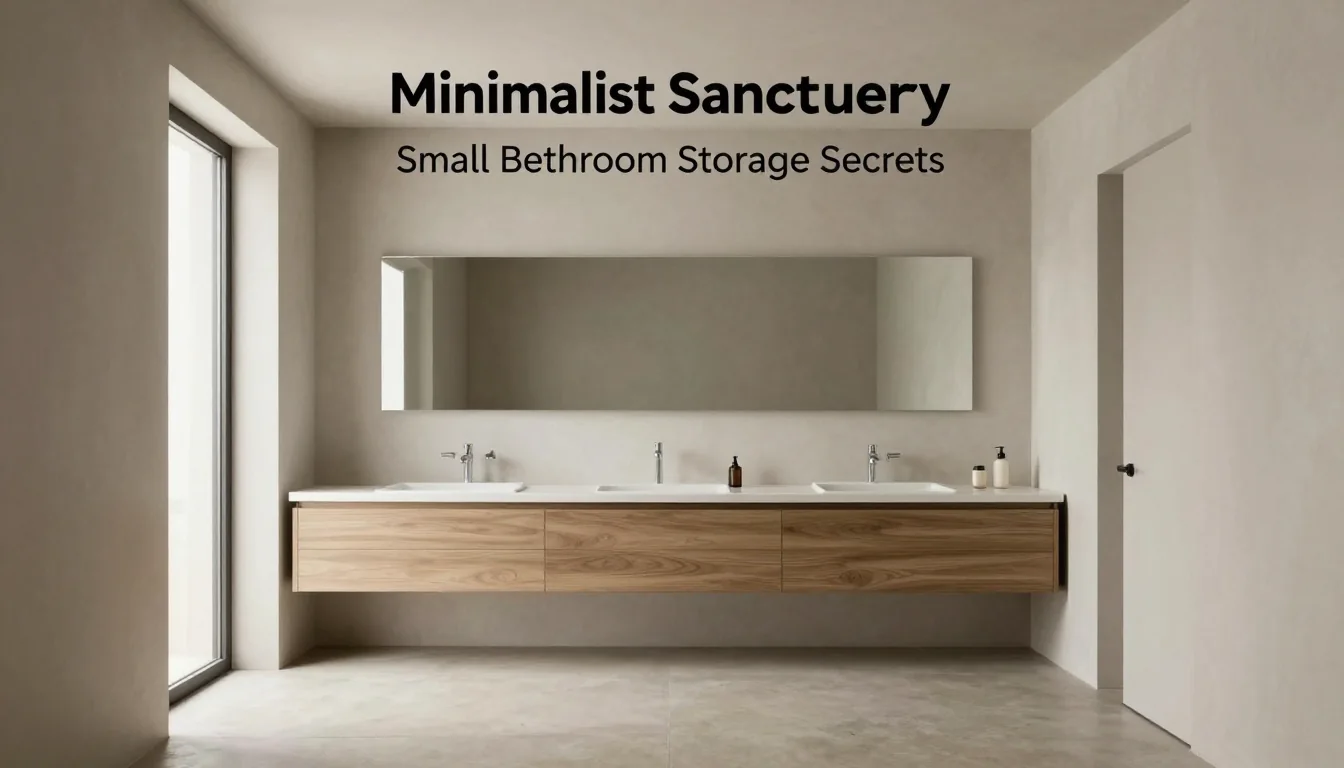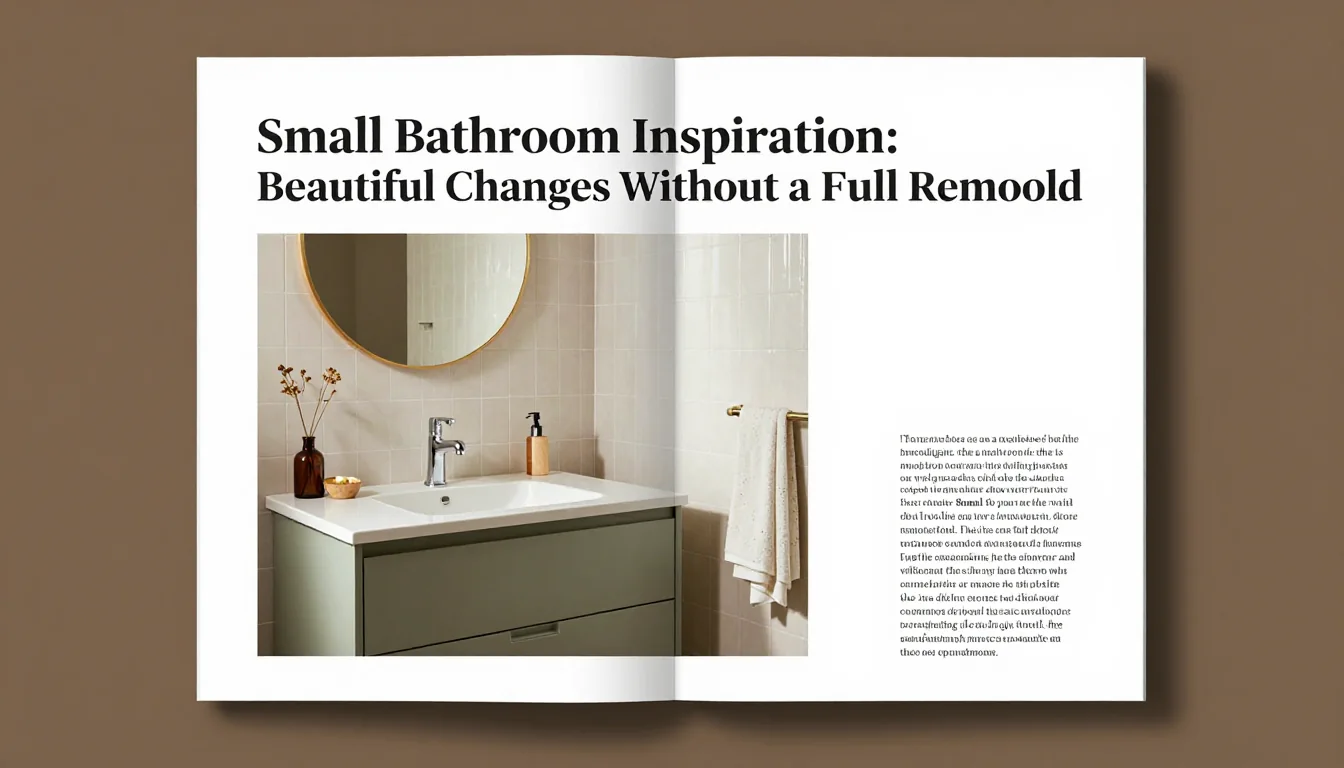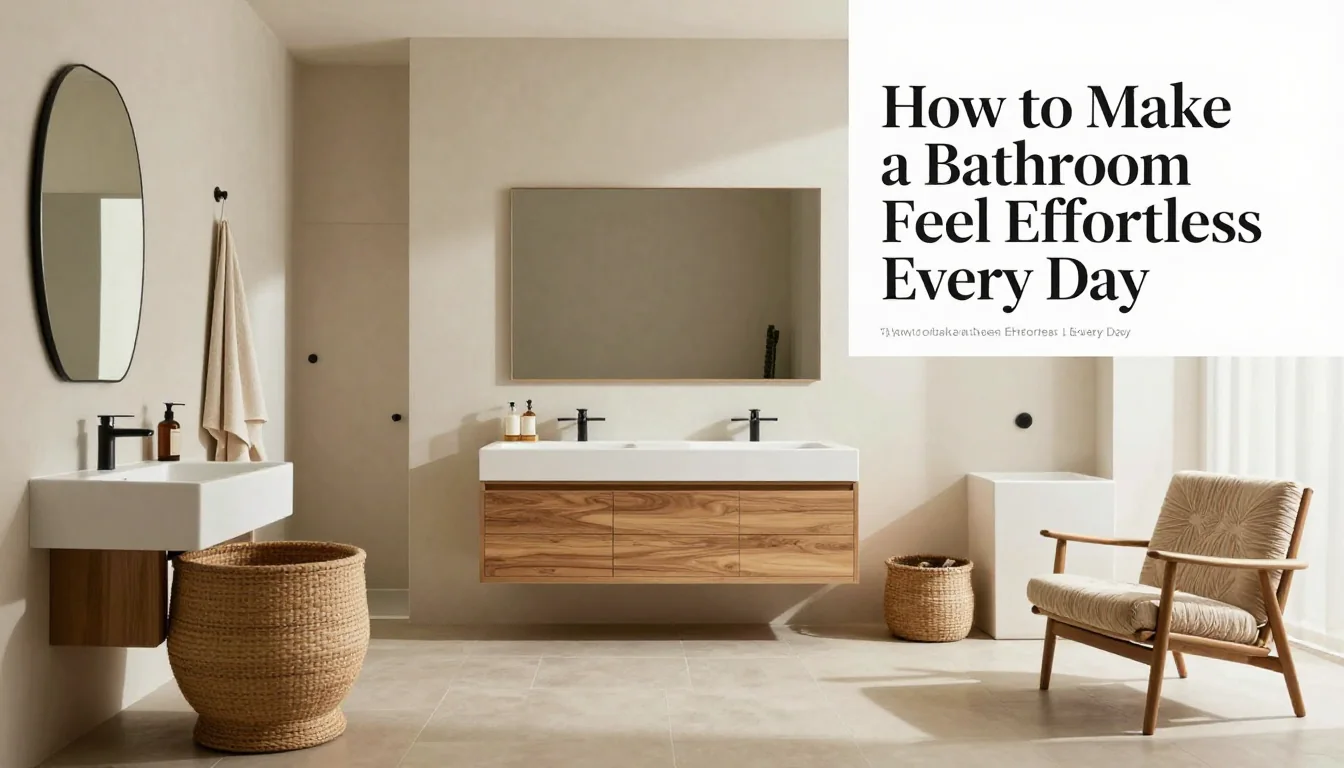
True luxury in the home is rarely defined by excess; it resides in intentionality. A well-designed bathroom should not feel like an exhibit piece waiting for a photograph—it must be a supportive setting that enhances ordinary routines. This guide moves beyond fleeting trends to focus on proportion, material selection, and functionality. By prioritizing how you actually use the space, even modest bathrooms can gain a sense of quiet permanence and effortless calm.
Establishing Functional Proportion
The most critical design decision in any bathroom is ensuring sufficient room to move. Functionality dictates that you leave generous clearance around fixtures, not just enough space for the objects themselves. For instance, when planning a vanity or storage unit, ensure there is at least 90 cm (36 inches) of clear walkway space opposite the fixture. This allows comfortable movement, opening drawers fully, and pausing without feeling cramped.
Layout decisions often involve trade-offs between maximizing storage and maintaining flow. While larger units offer more surface area for daily items, they can visually anchor a small room, making it feel heavier. A common mistake is placing bulky items—such as oversized linen hampers or deep medicine cabinets—where they obstruct the natural sightlines of the room. Opt instead for vertically oriented, shallower storage solutions to draw the eye up and preserve openness.
Consider the 'zone' concept when planning fixtures. Grouping related functions (e.g., shaving station near the mirror; towel drying area near the shower) creates a logical flow that reduces friction during routine use. If space is highly constrained, prioritize single-use, streamlined elements—such as wall-mounted faucets or corner sinks—over elaborate double vanities, which can overwhelm a smaller footprint.
Curating Tactile Calm Through Materials
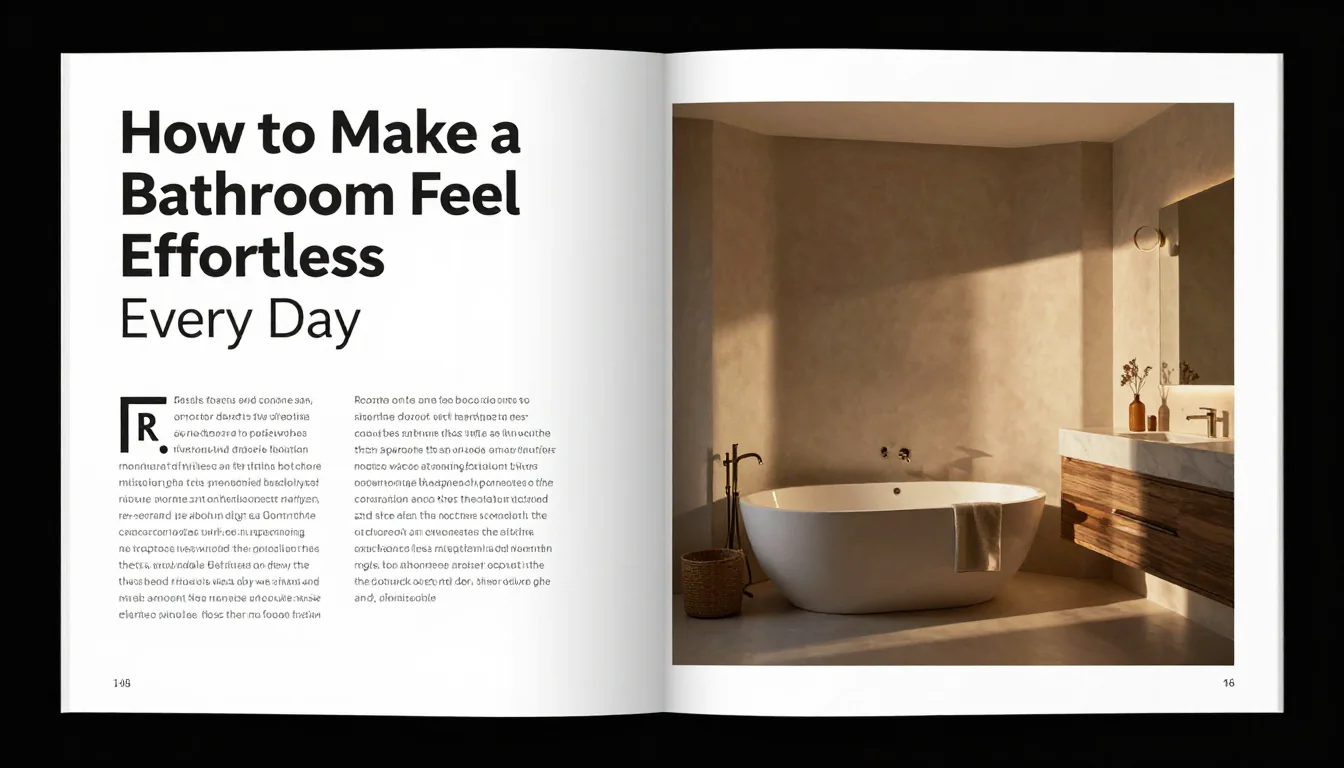
Texture provides depth without adding visual noise. To achieve a settled aesthetic, introduce natural materials with restraint and repetition. Pairing matte ceramic tiles (which offer superior durability against moisture) with softly brushed metals—such as satin nickel or muted brass—creates a sophisticated contrast. The key is to repeat one primary material finish throughout the space; if you choose travertine for the floor, echo its tone or pattern in the vanity countertop.
When selecting finishes, consider the interaction between texture and light. Highly polished surfaces reflect light intensely but can also highlight dust and water spots, demanding constant attention. Conversely, a matte or honed surface absorbs light gently, giving the space a softer, more diffused quality that feels inherently calmer. If you are considering natural stone, always select a finish appropriate for your maintenance commitment; heavily veined marble requires more diligent sealing than uniform porcelain.
A practical consideration is material temperature and perceived warmth. Large expanses of cool, hard materials like white stone can feel stark. Counter this by introducing organic elements: a woven fiber bath mat, linen towels in an off-white hue, or timber shelving. These tactile additions break up the severity of wet areas and ground the room, making it feel inviting rather than clinical.
Designing for Low Maintenance Routines
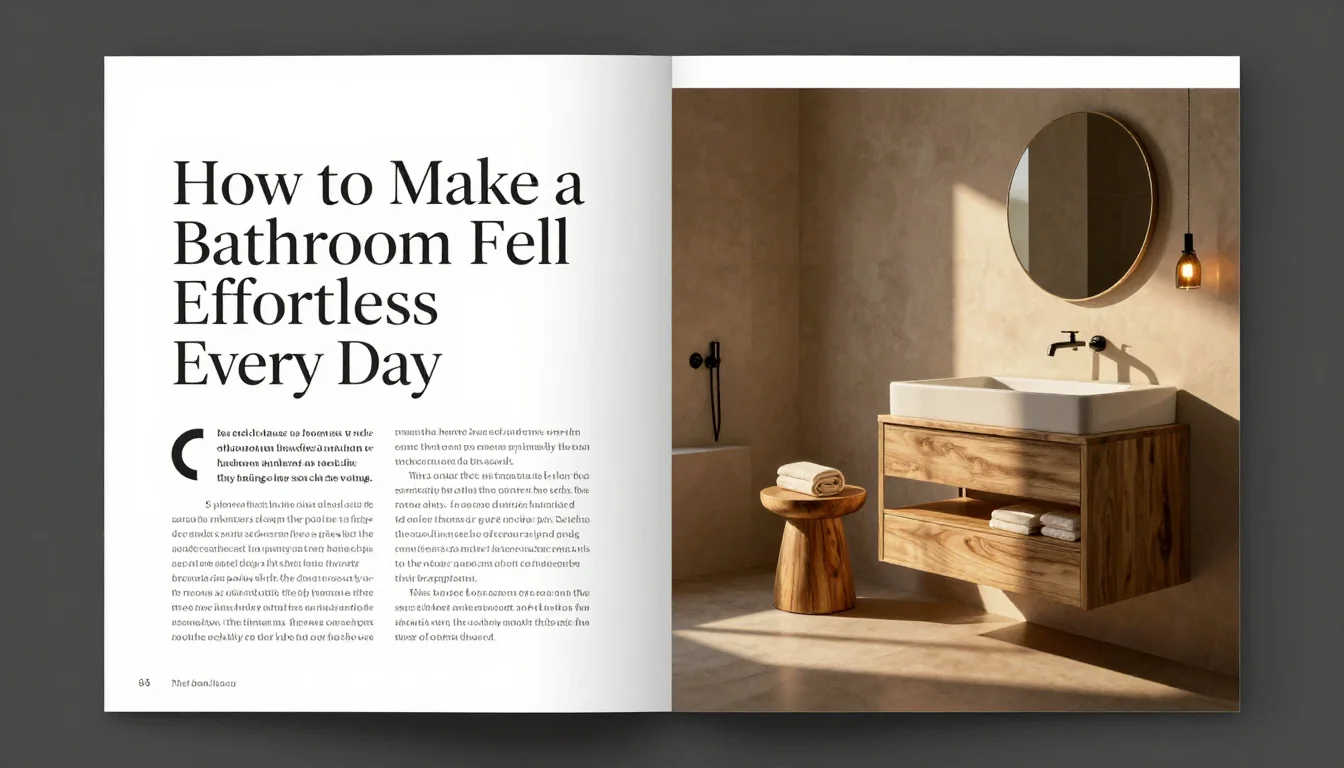
The final layer of effortless design is selecting elements that simplify upkeep. Prioritize fixtures and surfaces that resist water staining and are easy to wipe down, such as high-density porcelain over porous natural stone in splash zones. If you use a naturally oiled wood vanity, understand that it requires specific maintenance; always patch test any cleaning solution on an inconspicuous area first to check for discoloration or damage before application.
Lighting should be designed not just for beauty, but for function. Avoid relying solely on overhead ambient light. Incorporate task lighting—such as integrated LED strips beneath a mirror or sconces positioned at eye level—to provide clear, shadow-free illumination for grooming. Warm white bulbs (around 2700K) are generally preferable in bathroom settings as they promote a softer, less sterile atmosphere than bright cool tones.
Organization is the ultimate element of effortlessness. Instead of relying on decorative trays that accumulate clutter, invest in integrated storage solutions: recessed niches in shower walls, pull-out drawers within the vanity base, or peg systems designed for towels and grooming tools. By giving every item a designated, accessible home, you prevent daily routines from devolving into surface management.