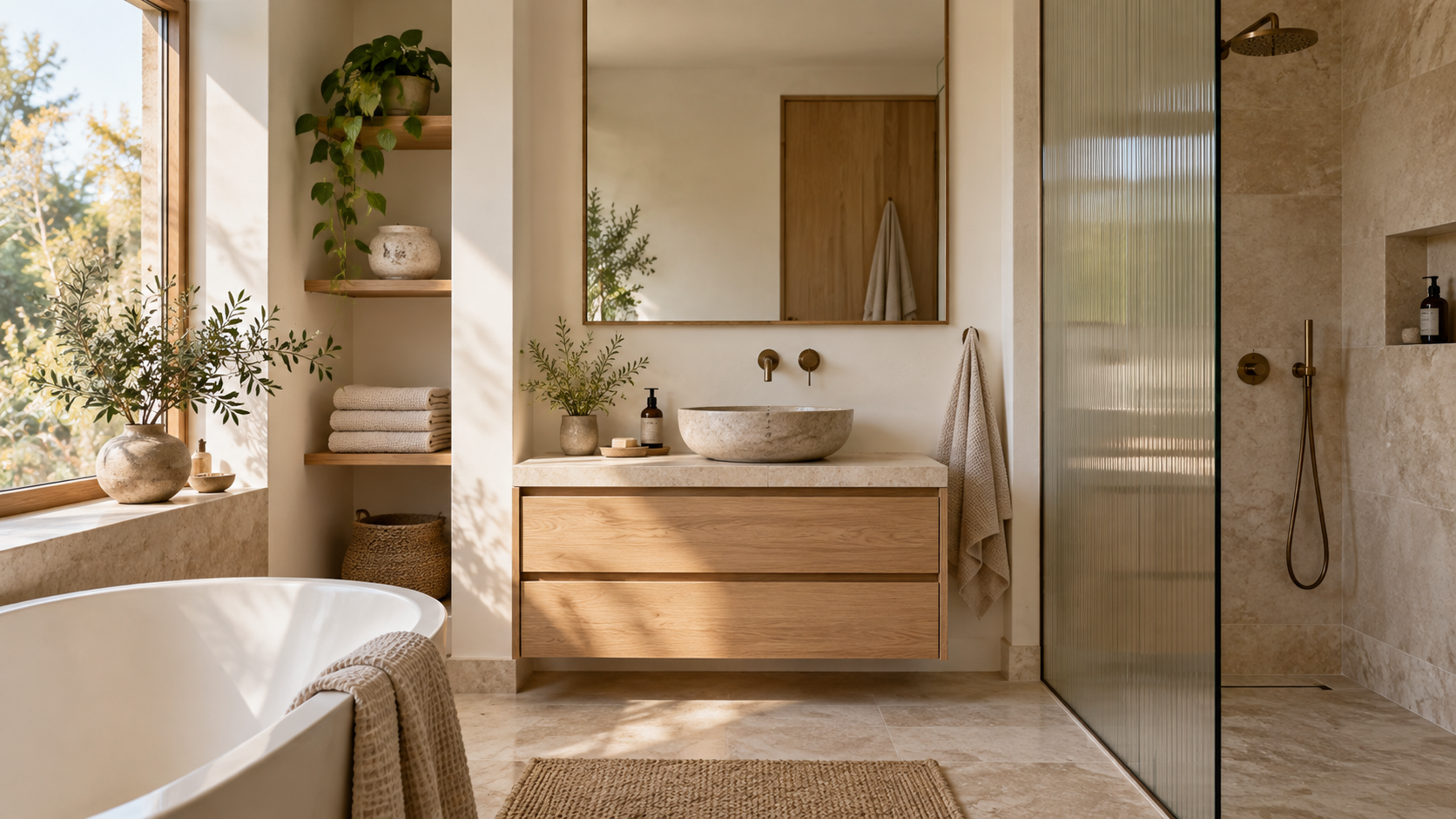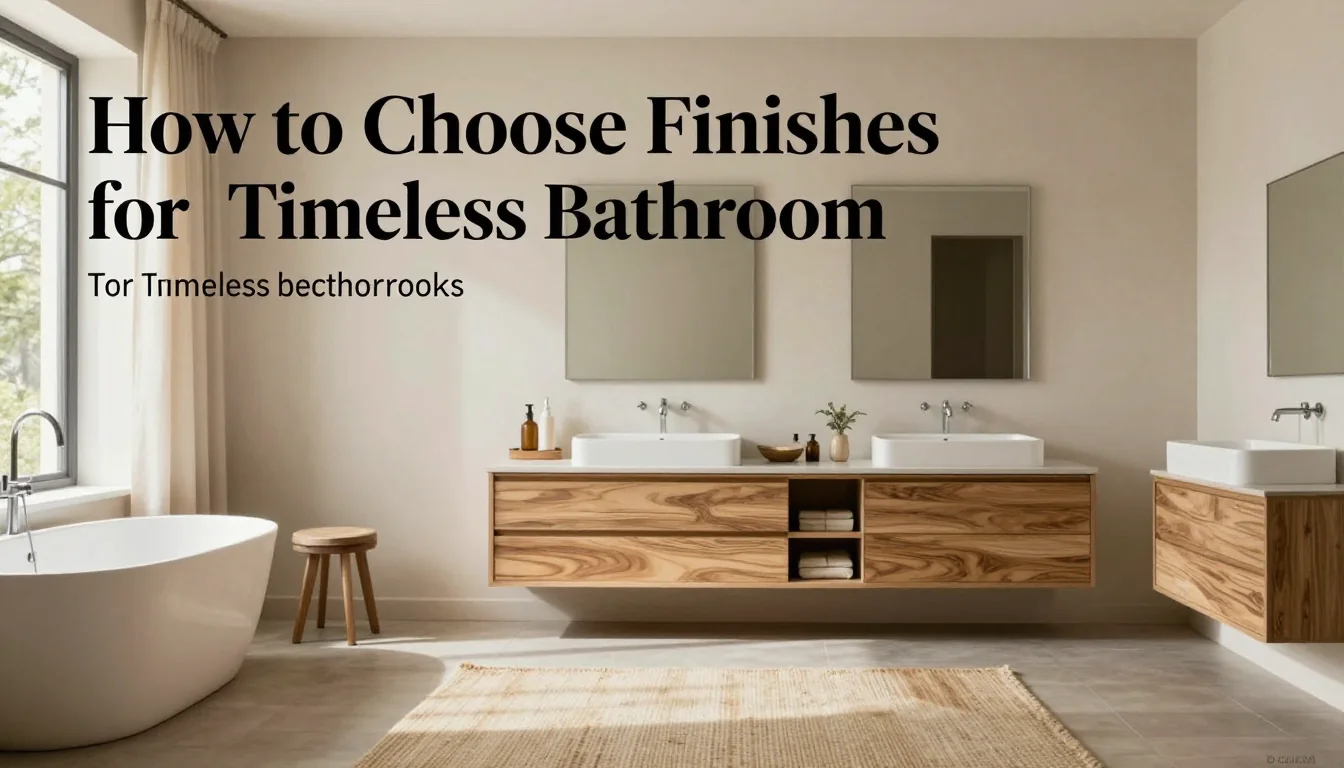
Designing a truly timeless bathroom requires moving past transient aesthetics. The goal is not merely visual appeal, but creating a space whose materials support daily life—withstanding moisture, temperature shifts, and the rigors of routine use without sacrificing character. A thoughtful selection of finishes—from foundational stone to subtle hardware—ensures that your investment feels intentional and inviting for decades, rather than simply fashionable for a season.
Selecting Foundational Stone and Tile
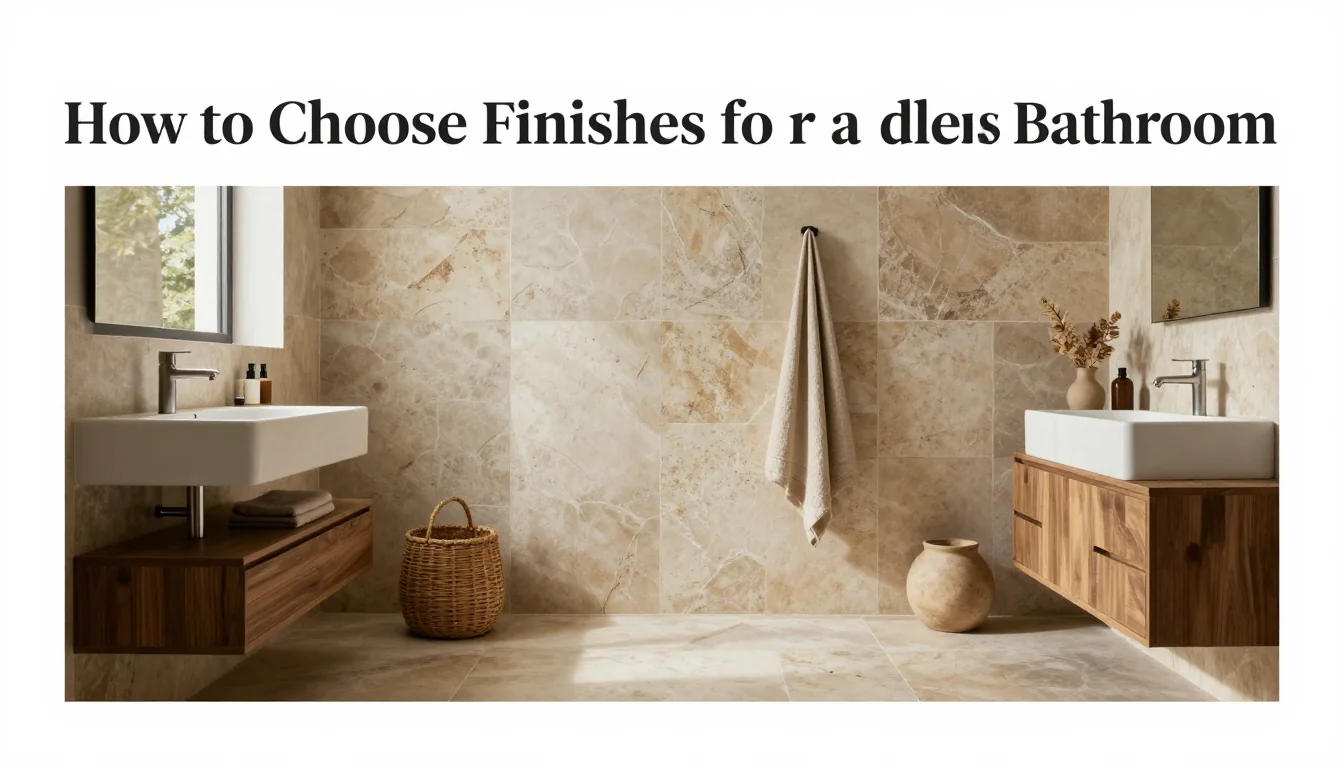
The primary surfaces—flooring and shower walls—must be selected based on performance as much as pattern. Porcelain tiles offer superior water resistance, making them highly practical for wet areas, while natural stones like honed limestone or marble provide inherent visual depth and luxury. When choosing stone, consider the porosity; high-porosity materials require diligent sealing to prevent staining from soaps, oils, or mineral deposits. For porcelain, pay close attention to the Coefficient of Friction (COF) rating on floor tiles to ensure adequate grip, especially in damp environments.
Grout choice is often overlooked but profoundly impacts the lifespan and visual cohesion of a tiled room. A common mistake is selecting a grout color that offers high contrast against a light tile; while dramatic, this highlights every splashback and particle of dirt, demanding constant cleaning. To achieve a more settled, enduring look, choose a grout color closely matched to the tile itself or select one that falls within the same tonal family. For large-format tiles (e.g., 24x48 inches), minimizing grout lines reduces visual clutter and minimizes potential failure points.
When designing wet zones, scale and slope are critical functional decisions. Ensure your shower pan has a consistent minimum slope of 1/4 inch per foot toward the drain. If using natural stone for a shower base, verify that it is properly cut to prevent chipping along edges, which can compromise its integrity over time. A subtle trade-off exists between highly polished materials (which look sleek) and matte or honed finishes; while polish offers reflection, matte surfaces are significantly more forgiving regarding water spots and minor mineral buildup.
Choosing Resilient Metal Finishes
Metal hardware—from faucet bodies to towel bars—is a critical visual accent but is also subject to constant exposure. The choice between polished chrome, brushed nickel, and matte black should be weighed against maintenance ease. High-polish finishes are visually striking but notorious for attracting water spots and fingerprints, requiring frequent buffing to maintain their luster. For high-use areas like shower controls, a satin or lightly brushed finish is often the most practical choice, as it disperses minor mineral deposits without showing excessive streaking.
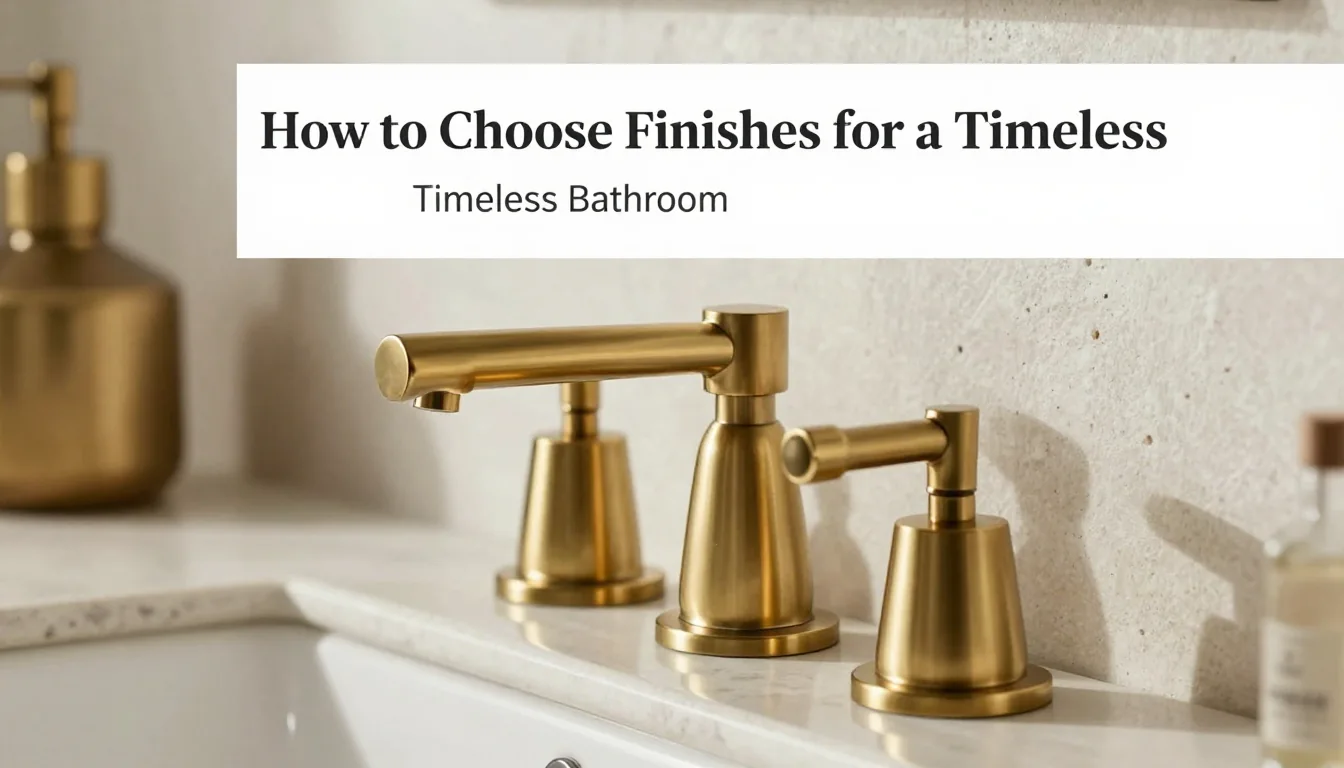
Modern metal finishes rely heavily on protective coatings. Look specifically for PVD (Physical Vapor Deposition) coatings when purchasing fixtures; this advanced process creates an extremely durable layer that resists corrosion and chipping far better than traditional plating. When selecting a finish, consider the desired aesthetic harmony across all elements—the tap handles, the shower frame, and the cabinet pulls should share a consistent base tone (e.g., all brushed brass or all matte black) to prevent the room from looking disjointed.
A key decision point is balancing historical style with modern resilience. While antique brass offers tremendous character, it requires specific care against oxidation; if you opt for this warmer tone, ensure any cleaning product used is specifically formulated for patinated metals and always follow manufacturer guidance on application frequency. Conversely, while matte black provides a striking contemporary edge, be aware that its dark surface can sometimes highlight water marks more intensely than lighter finishes, requiring targeted drying after showering.
Integrating Warmth Through Timber and Texture
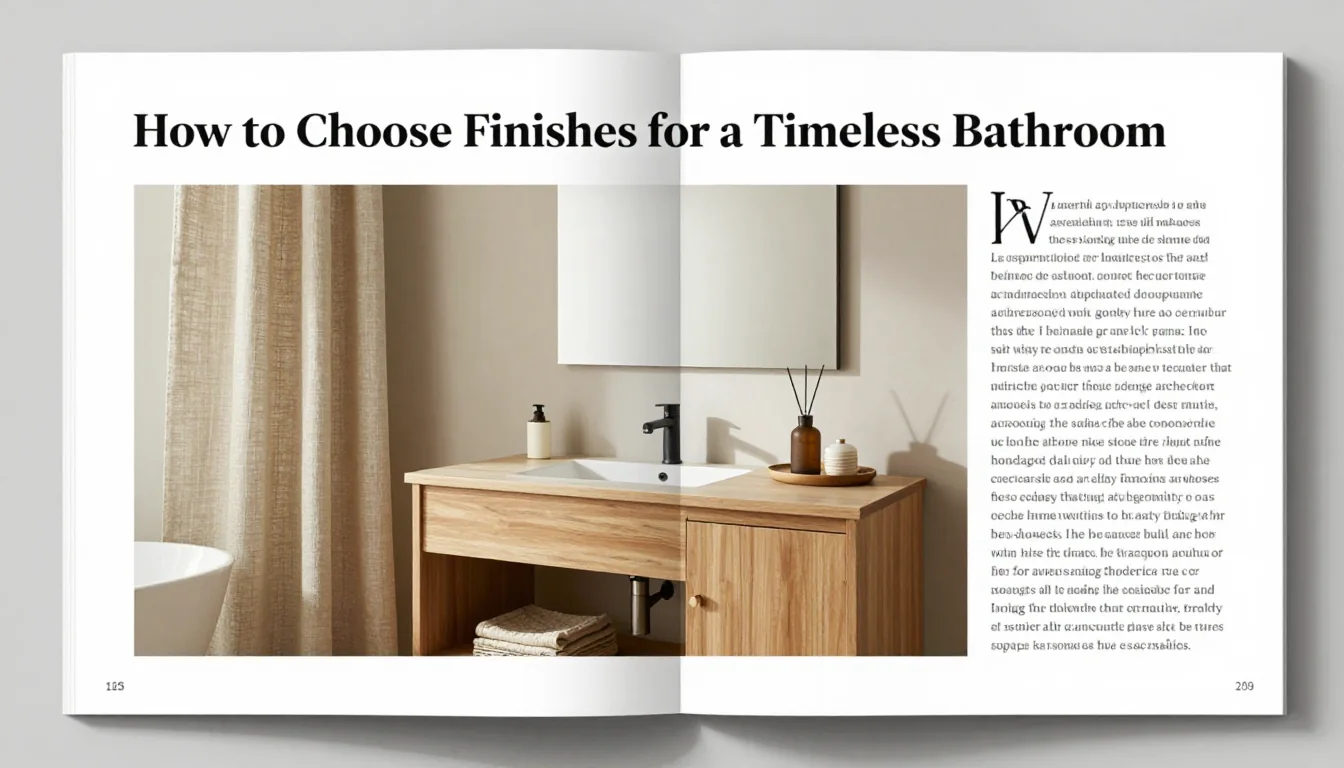
Wood introduces necessary warmth into a typically cool environment of tile and stone. When incorporating timber—such as in vanity tops or open shelving—moisture resistance is paramount. Never use untreated, softwoods in high-humidity zones. Select dense hardwoods (like teak or walnut) and ensure the wood is properly acclimated to the expected humidity levels before installation to prevent warping or cracking.
The finish applied to bathroom timber dictates its longevity; oil finishes penetrate deeply into the grain, offering a natural look while allowing some moisture breathability, making them excellent for less exposed areas like vanity bases. Conversely, polyurethane varnishes create a hard, impermeable shell, providing maximum protection against splashes and cleaning agents but can feel less organic. For any wood treatment, regardless of type, always conduct a thorough patch test on an inconspicuous area (e.g., the underside of a shelf) to observe how it reacts to humidity and common cleaners before full application.
Beyond structural wood, texture can be introduced through accessories like woven baskets or linen textiles, which add softness without compromising durability. When layering these textures, maintain restraint; limit yourself to two primary natural materials (e.g., stone and light oak) and one accent material (e.g., matte ceramic). This repetition creates a visual rhythm that feels settled rather than cluttered. The trade-off here is subtle: while textiles enhance comfort, they require careful placement away from direct spray zones and must be chosen for easy laundering to maintain their intended calm aesthetic.
Practical Planning Notes
Keep frequently used storage within arm’s reach of the vanity and allow a clear, dry path from shower to towel storage.
Material Perspective
Porcelain is durable and low-maintenance; natural stone is tactile but needs sealing and appropriate cleaners.
Before You Commit
Review ventilation, splash zones, closed storage, and layered lighting at the mirror.
For related, room-specific ideas, continue with the guides in this category or return to the Furnlyra home page.