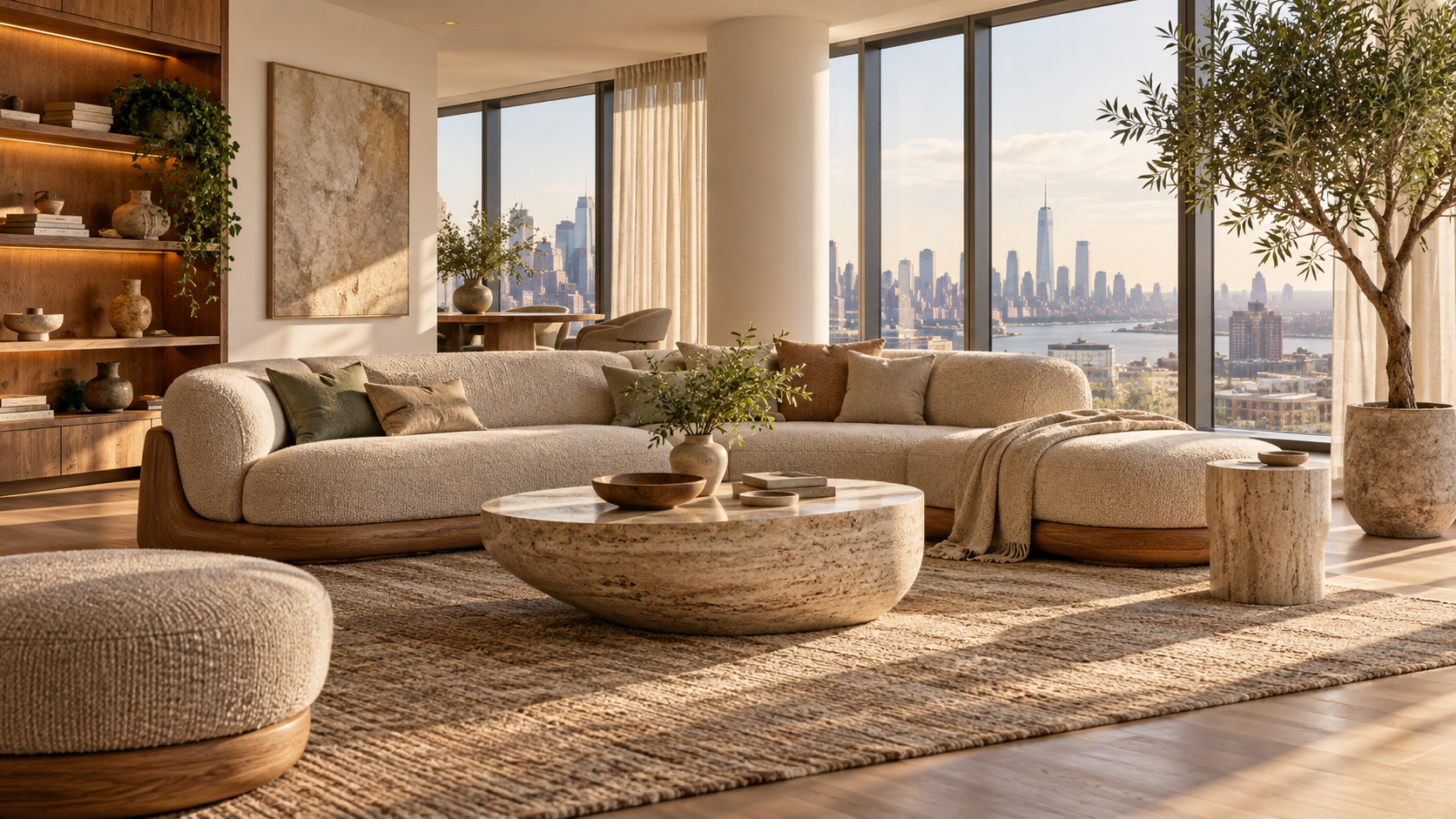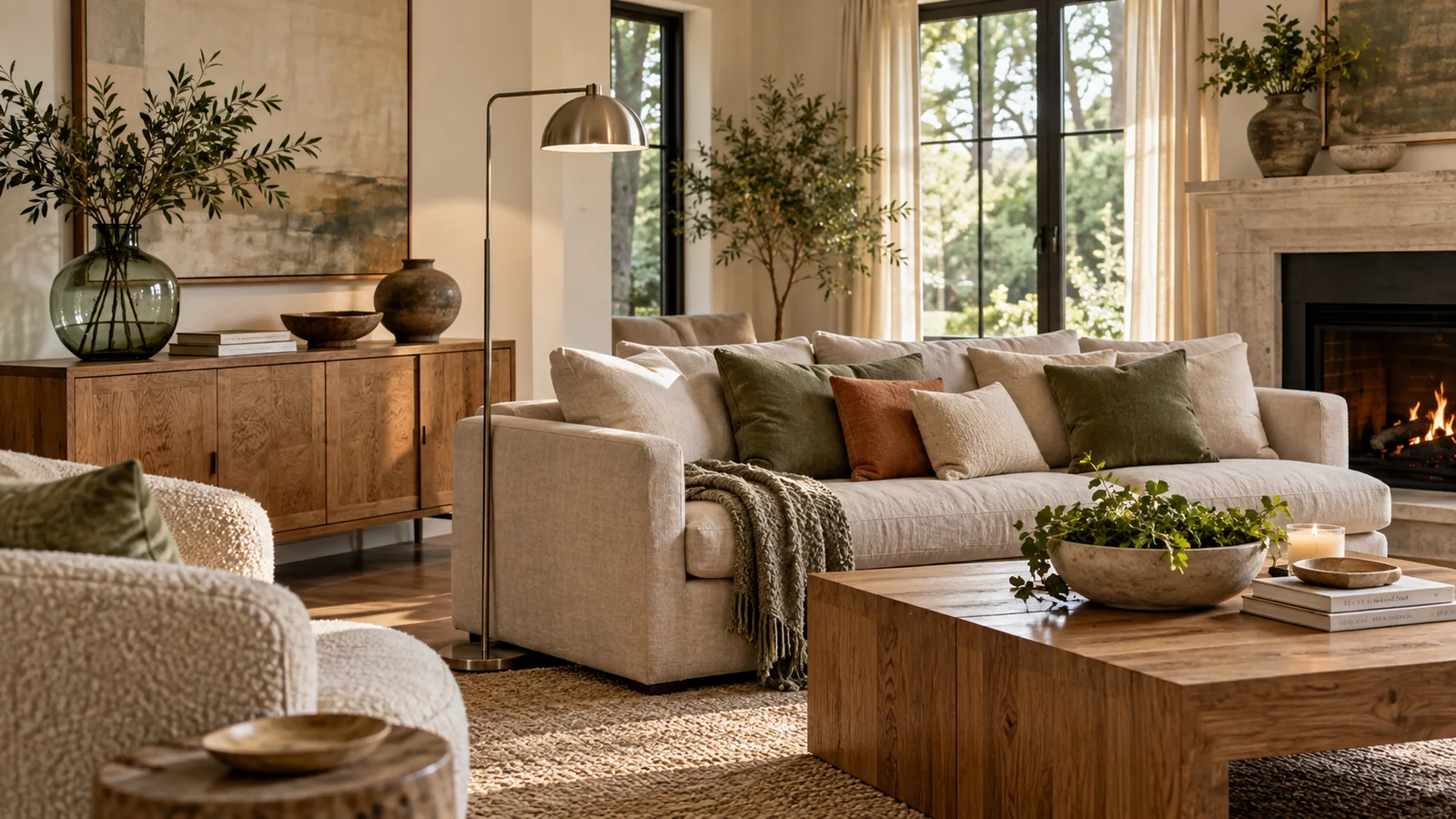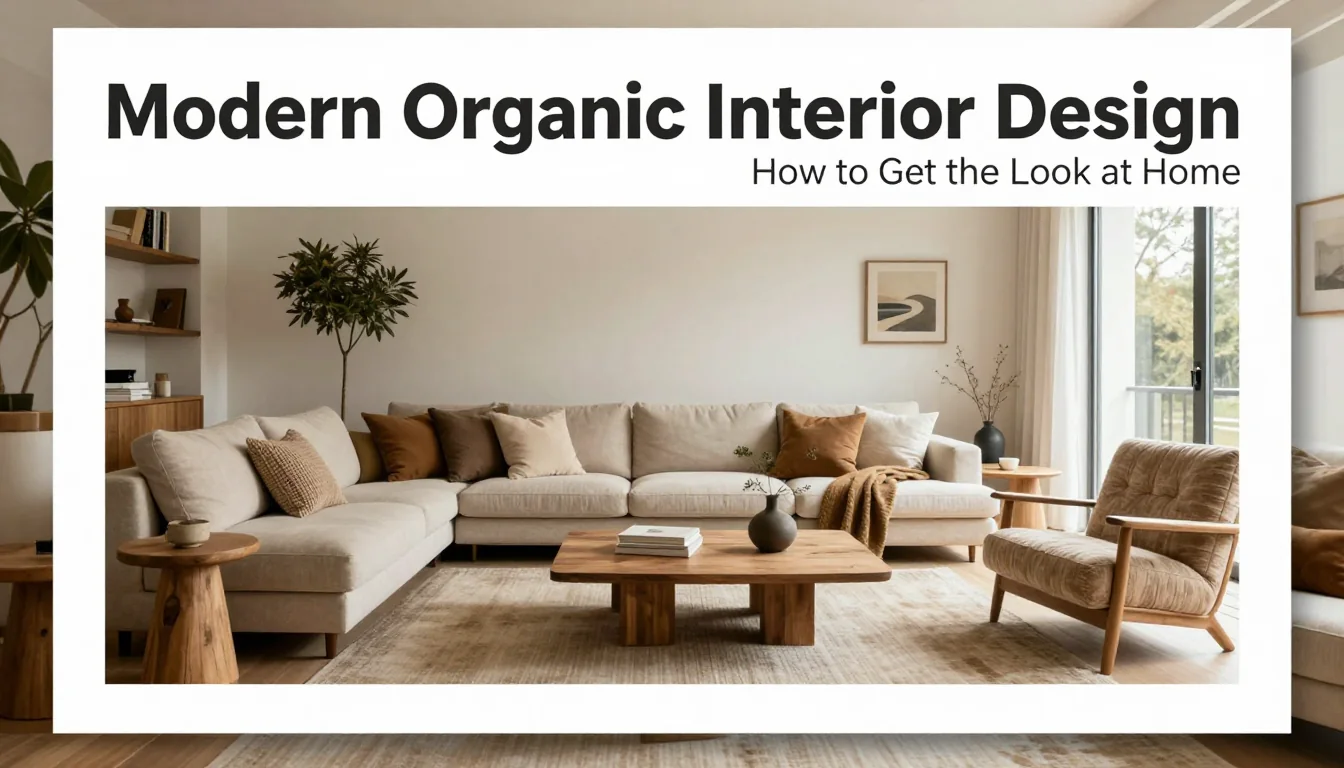
The modern organic aesthetic is more than a fleeting trend; it represents a deep desire for sanctuary in an increasingly digitized world. It is an architectural philosophy that marries the stark, clean lines of mid-century modernism with the soothing, unpredictable beauty of nature. This style rejects excessive ornamentation, favoring instead a quiet dignity found in raw materials and thoughtful composition. A modern organic home feels grounded, breathable, and profoundly calm. It achieves this balance by allowing natural elements—wood grain, stone texture, plant life—to dictate the mood while maintaining an elegant simplicity that speaks to timeless design principles.
This aesthetic is defined by its quiet contrast: the sharp geometry of a structural beam against the soft drape of raw linen; the cool smoothness of polished concrete juxtaposed with the warm roughness of reclaimed timber. Achieving this refined look at home requires intention, focusing not on filling spaces, but on elevating materials and emphasizing tranquility. It is about creating an environment that supports rest, reflection, and connection to the earth.
Choose a Restrained Natural Palette
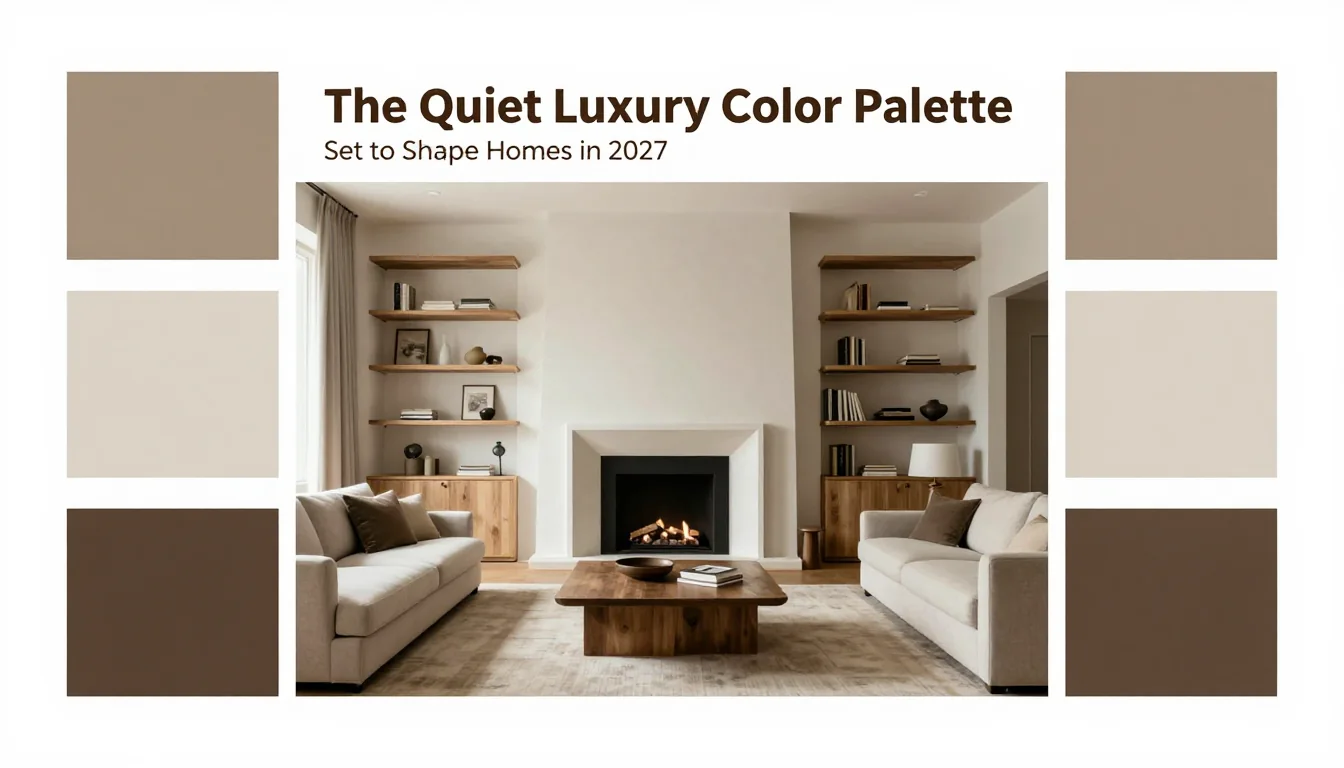
The foundation of any modern organic space is its color story. The palette must be deeply restrained, leaning heavily into nuanced neutrals drawn directly from nature: warm taupes, soft moss greens, pale terracotta, creamy off-whites, and various shades of muted stone gray. These colors should function as a backdrop, allowing the textures and natural forms to become the central characters in the design narrative.
Avoid high saturation or overly bright hues; instead, look for depth within the neutral spectrum. For instance, choosing an oat color rather than a brilliant white adds immediate warmth and softness, while pairing pale linen with deep sage green provides just enough visual anchor without introducing jarring contrast. The goal is cohesion—a seamless flow between walls, floors, and large pieces of furniture.
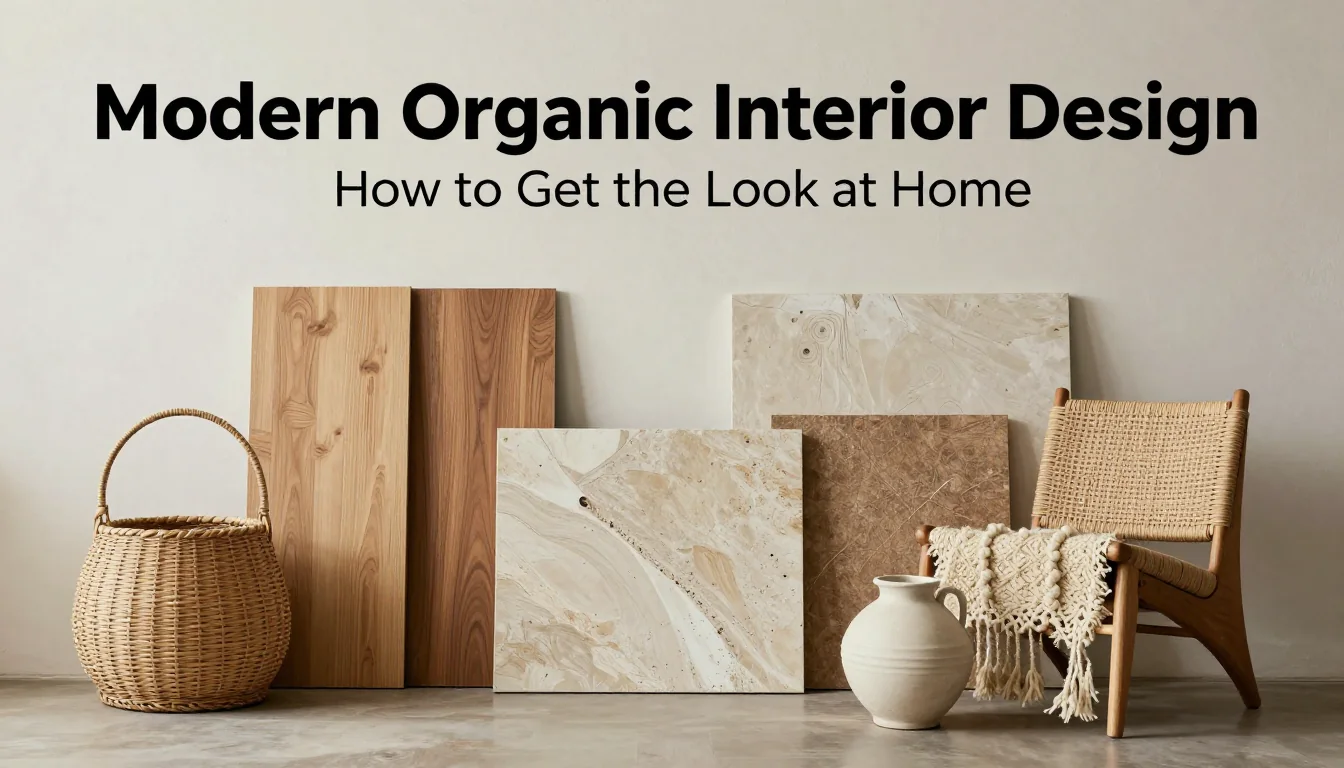
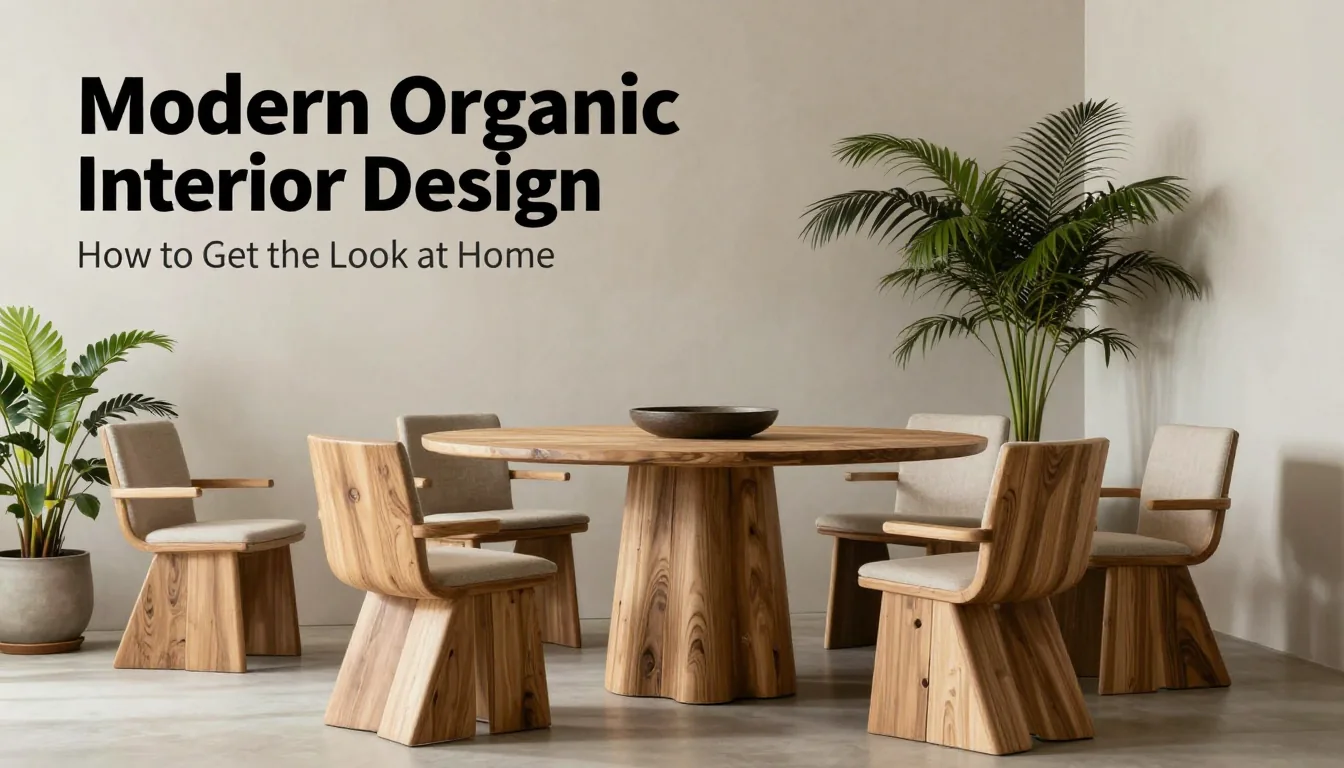
Material selection must adhere to this muted discipline. Focus on unpainted woods like ash or oak, natural linens, undyed wools, and matte ceramics. When selecting these materials, prioritize their inherent color over any applied finish. A piece of wood should look like wood; a stone surface should feel authentically geological.
Balance Softness with Architectural Shape
The tension between the organic and the modern is where this style finds its greatest charm. Modern design thrives on precision—straight lines, perfect right angles, and minimalist forms. Organic design celebrates imperfection, curves, and fluidity. The key to success lies in integrating these two forces so they complement each other rather than clash.
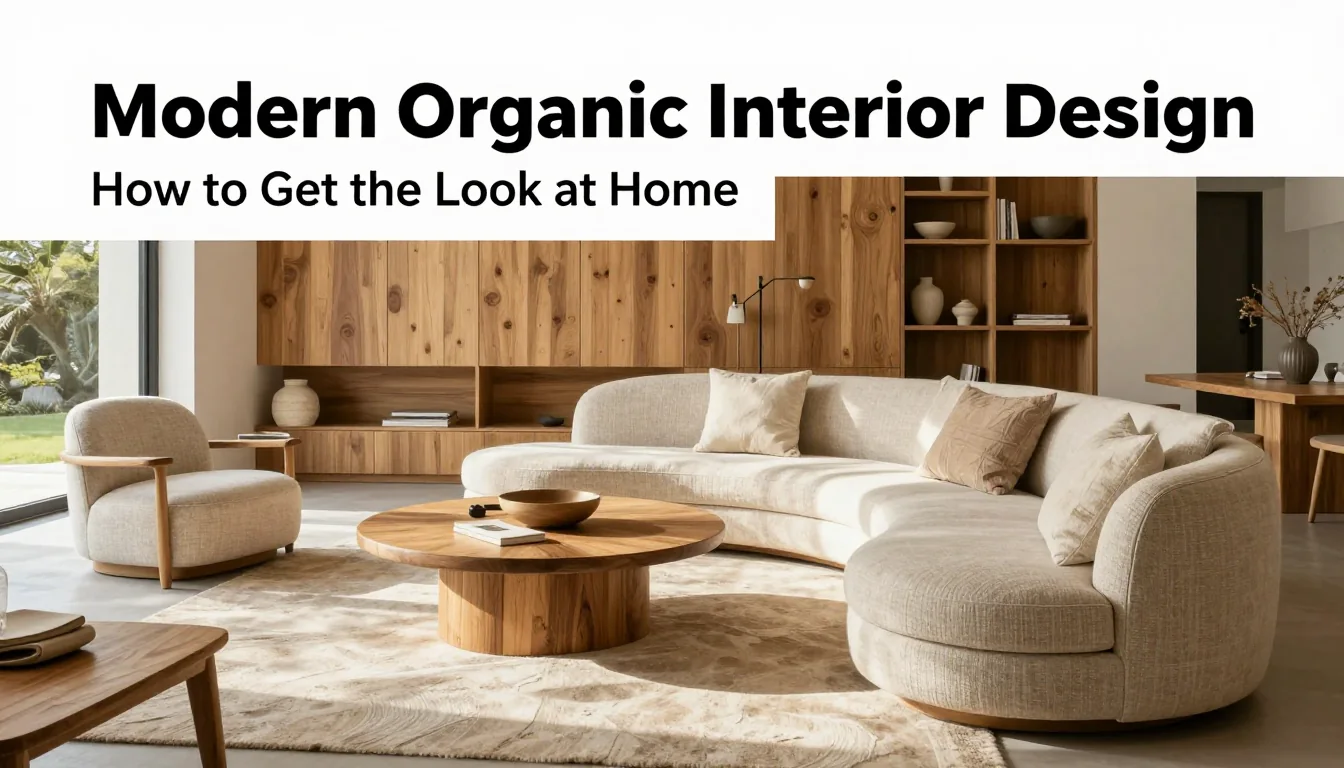
Introduce architectural softness through strategic elements. While walls may be perfectly straight, consider incorporating curved furniture pieces, rounded edges on countertops, or arches within the structure of a room. These subtle organic interventions prevent the space from feeling clinical or overly rigid, injecting human warmth into the geometry.
Conversely, use clean lines to ground softer materials. If you have an abundance of plush, organically shaped seating upholstered in boucle, counterbalance it with a stark, monolithic wooden console table or a geometrically precise shelving unit. This interplay—the softness yielding to structure, and the structure being softened by flow—creates sophisticated visual dialogue.
Let Texture Carry the Personality
In a space where color is limited and lines are clean, texture becomes the primary source of interest and personality. Modern organic design understands that touch and sight can be equally evocative; surfaces should invite interaction and contemplation.
Layering textures is not about clutter; it is about depth. Contrast a smooth, honed travertine floor with a thick-pile rug woven from undyed sheep’s wool. Combine the sleekness of polished metal hardware on cabinetry with the rough grain of exposed timber beams overhead. This tactile complexity adds richness without requiring complex patterns or bold colors.
Embrace natural finishes that showcase their inherent character. Consider fluted wood paneling for subtle wall texture, raw plaster applied to walls for an uneven, earthy patina, or hand-thrown ceramic vessels placed strategically as sculptural accents. These choices celebrate the humanity in manufacturing and reinforce the connection to elemental materials, ensuring the home feels lived-in, authentic, and beautifully grounded.
Practical Planning Notes
Choose one enduring material or color direction before adding seasonal accents.
Material Perspective
Solid wood and natural stone age predictably; printed laminates and trend-led finishes need closer sample testing.
Before You Commit
Keep a 60/30/10 balance: 60% calm base, 30% supporting materials, 10% expressive detail.
For related, room-specific ideas, continue with the guides in this category or return to the Furnlyra home page.