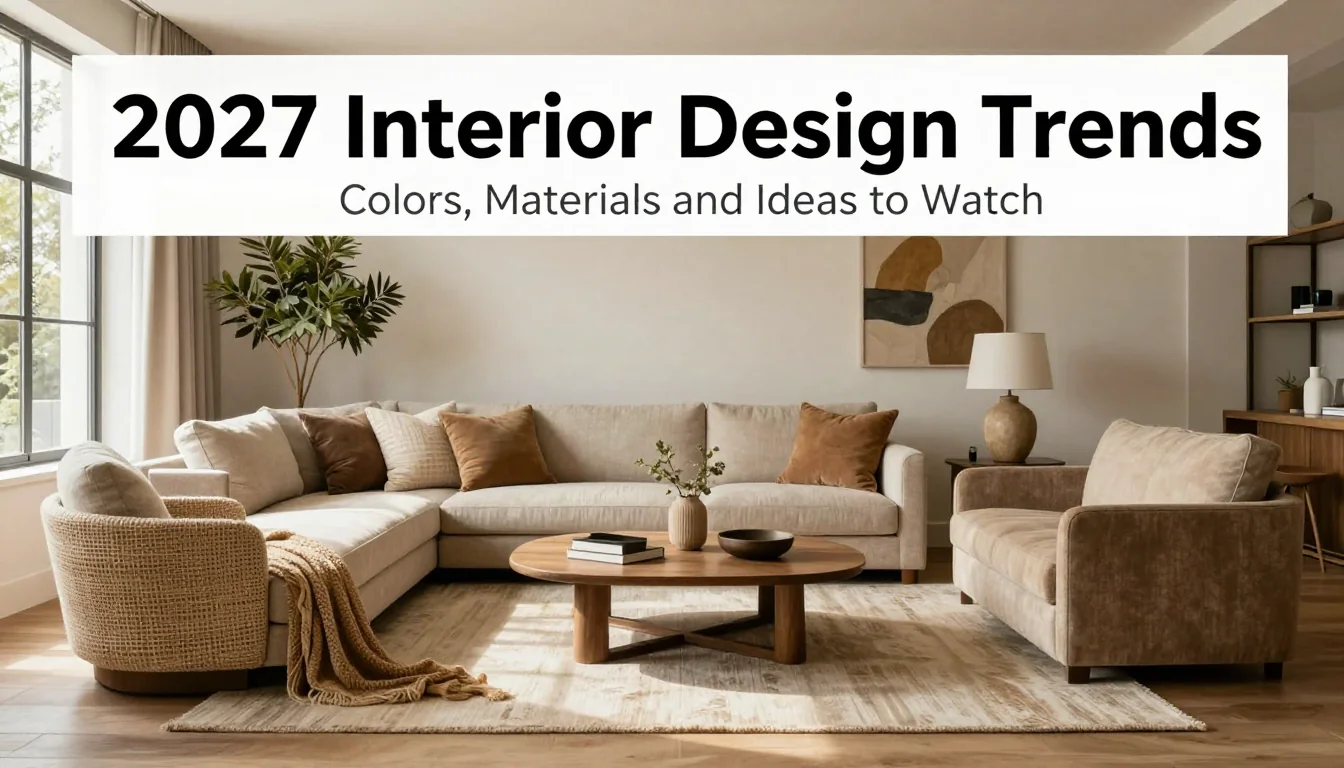
As the pace of modern life continues its relentless acceleration, our approach to domestic space is evolving. The home is no longer merely a shelter; it is an anchor—a sanctuary where thoughtful design meets genuine well-being. In 2027, interior design is shifting away from transient maximalism and fleeting trends toward enduring quality and deep sensory experience. This new era of ‘thoughtful homes’ prioritizes authenticity, sustainability, and the harmonious integration of nature into the built environment. The discerning homeowner seeks spaces that are not just beautiful to look at, but deeply comforting to inhabit—environments that support introspection, connection, and a balanced life.
This shift is manifested through deliberate choices in texture, palette, and function. We are witnessing a sophisticated return to elemental design principles, where materials speak of their origin and colors evoke profound emotional states. The trends of 2027 are less about stark modernity and more about grounded permanence—a commitment to slow living translated into architectural form.
Grounded Materials and Tactile Integrity
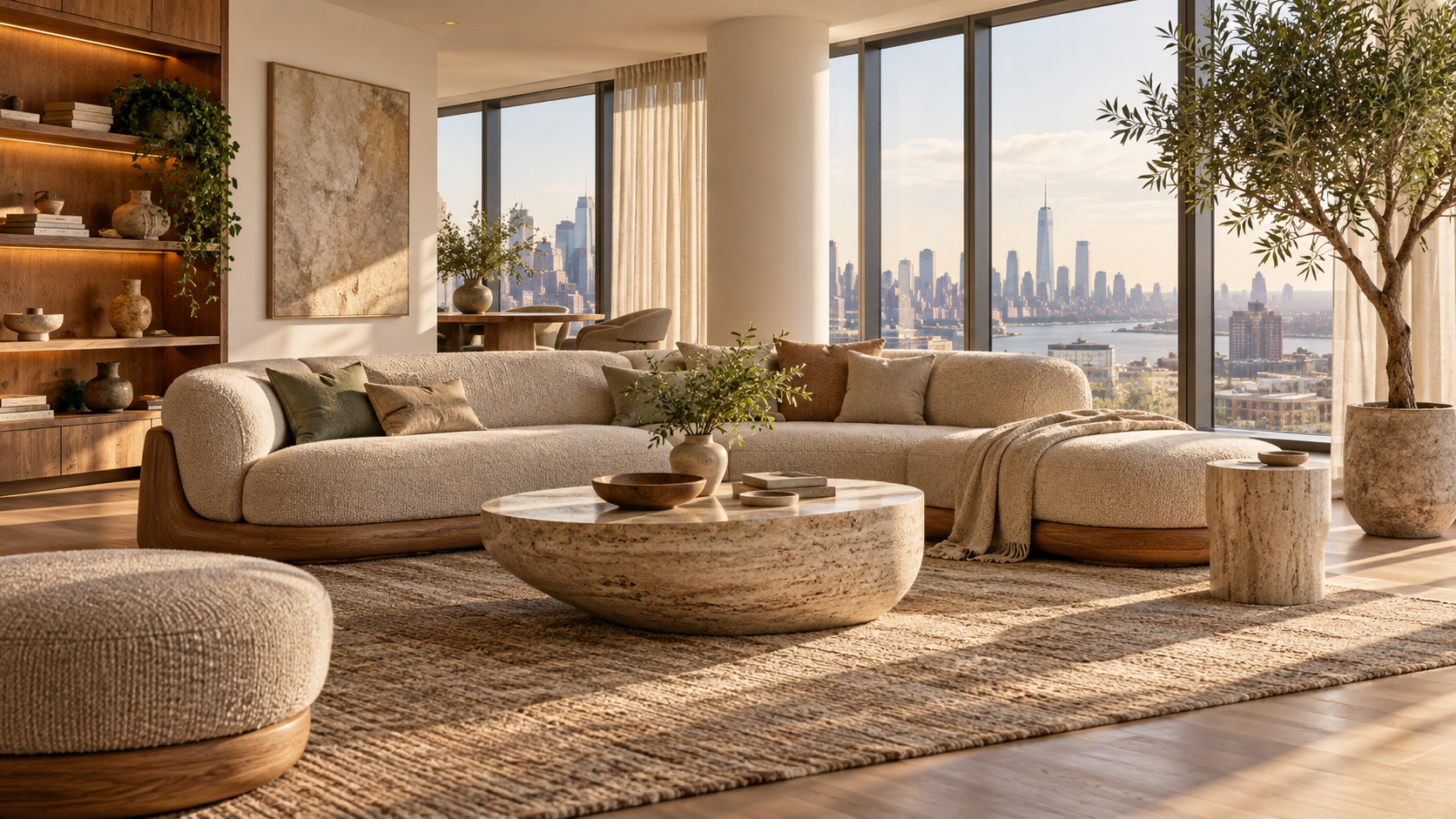
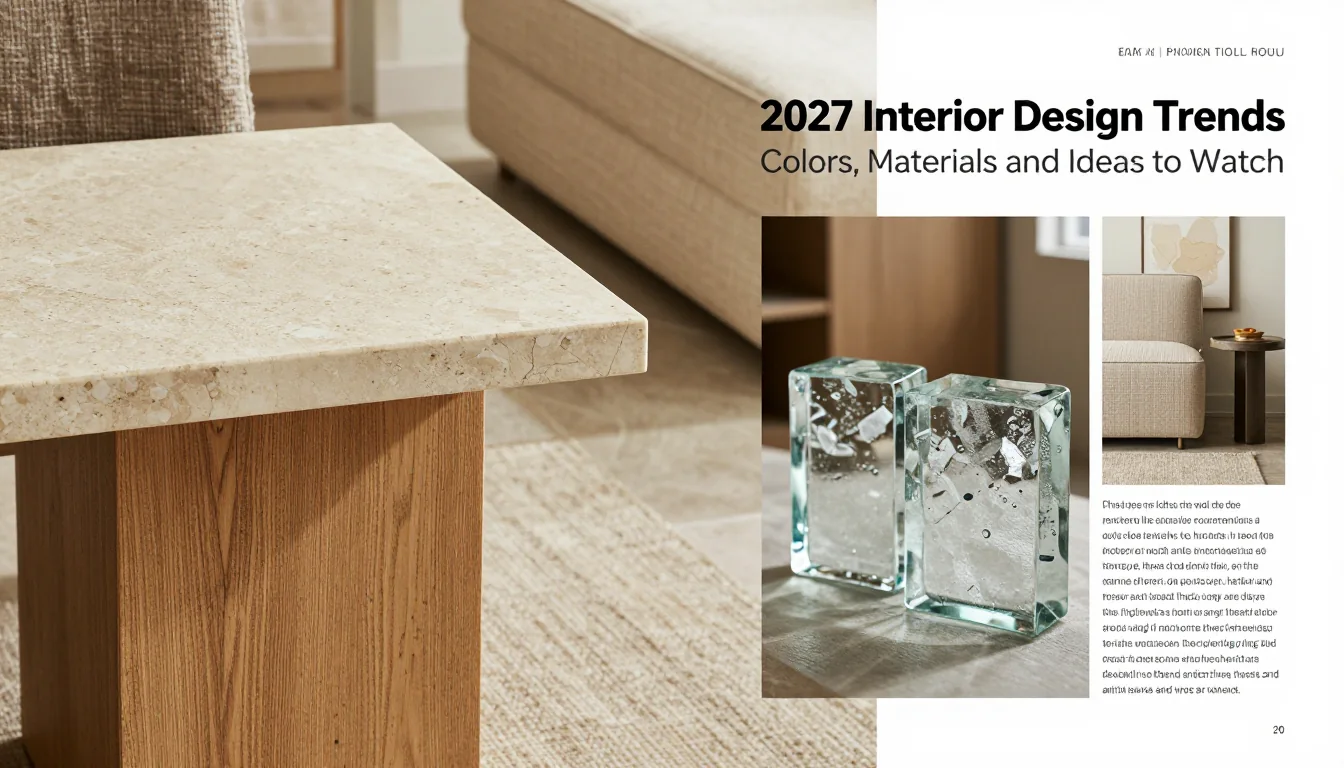
The most significant material trend emerging for the next five years is a celebration of raw, unprocessed integrity. Designers are moving past polished veneers and synthetic finishes in favor of materials that bear the marks of their creation. Think deeply grained reclaimed timbers, naturally patinated metals, and hand-troweled natural plasters. These elements bring an immediate sense of history and permanence to a space, acting as anchors against the rapid changes of the outside world.
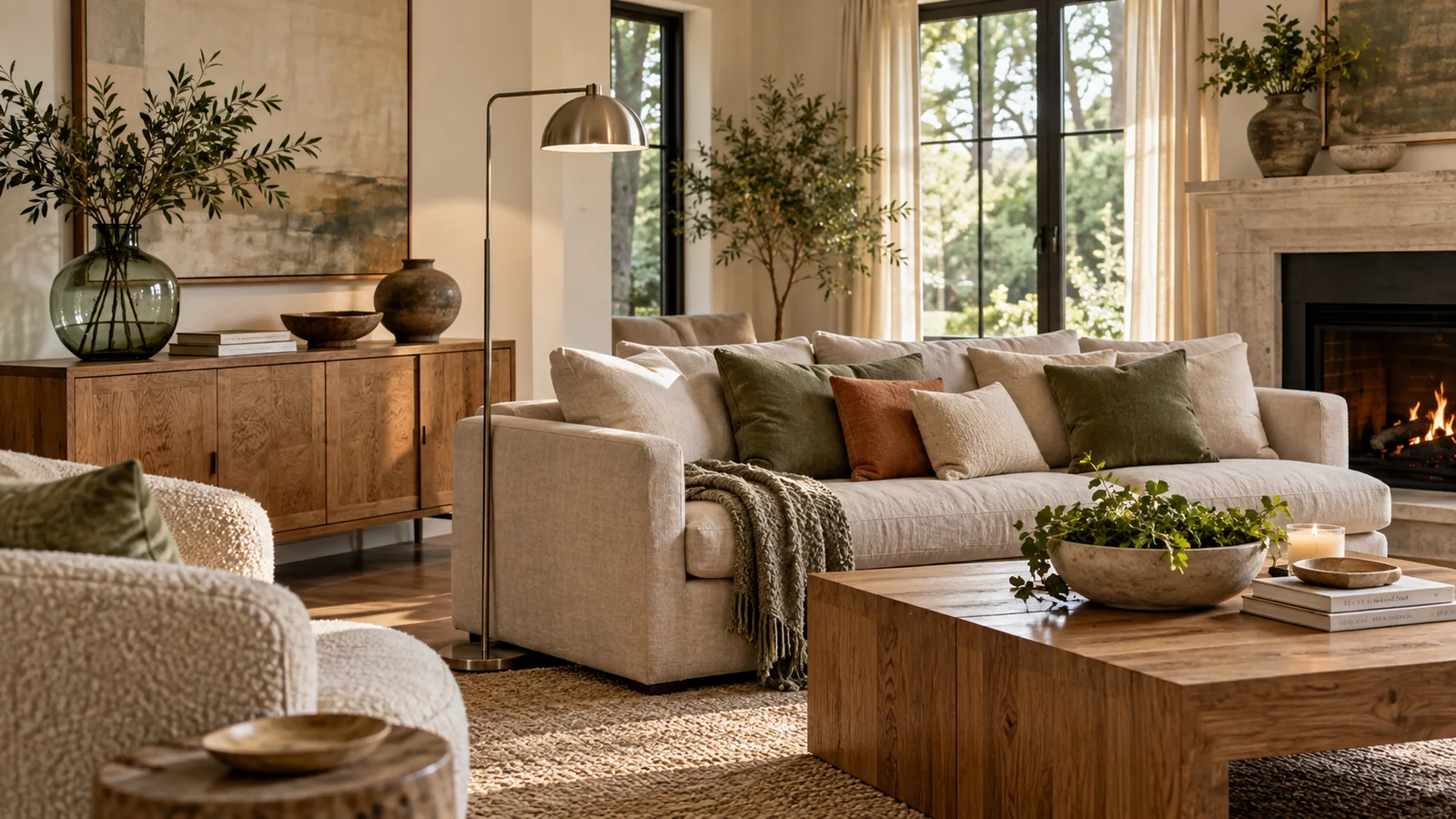
This tactile focus extends beyond structural elements into soft furnishings. Bouclé fabrics, heavy undyed linens, and woven wools are becoming staples, chosen not just for their look but for how they feel under the touch. The emphasis is on durability and longevity; a well-made piece that ages gracefully—developing a patina rather than showing wear—is highly prized. This commitment to lasting quality inherently reduces consumption, aligning luxury with responsible living.
Natural stone remains paramount, but its application is becoming more sculptural and less predictable. Instead of uniform slabs, we see the use of fractured limestone, moss-flecked granite, and unpolished travertines that celebrate geological imperfection. These rugged yet elegant materials introduce an organic dynamism to minimalist settings, ensuring that even the most restrained interiors possess a rich depth.
The Softening Palette: Atmospheric Color Schemes
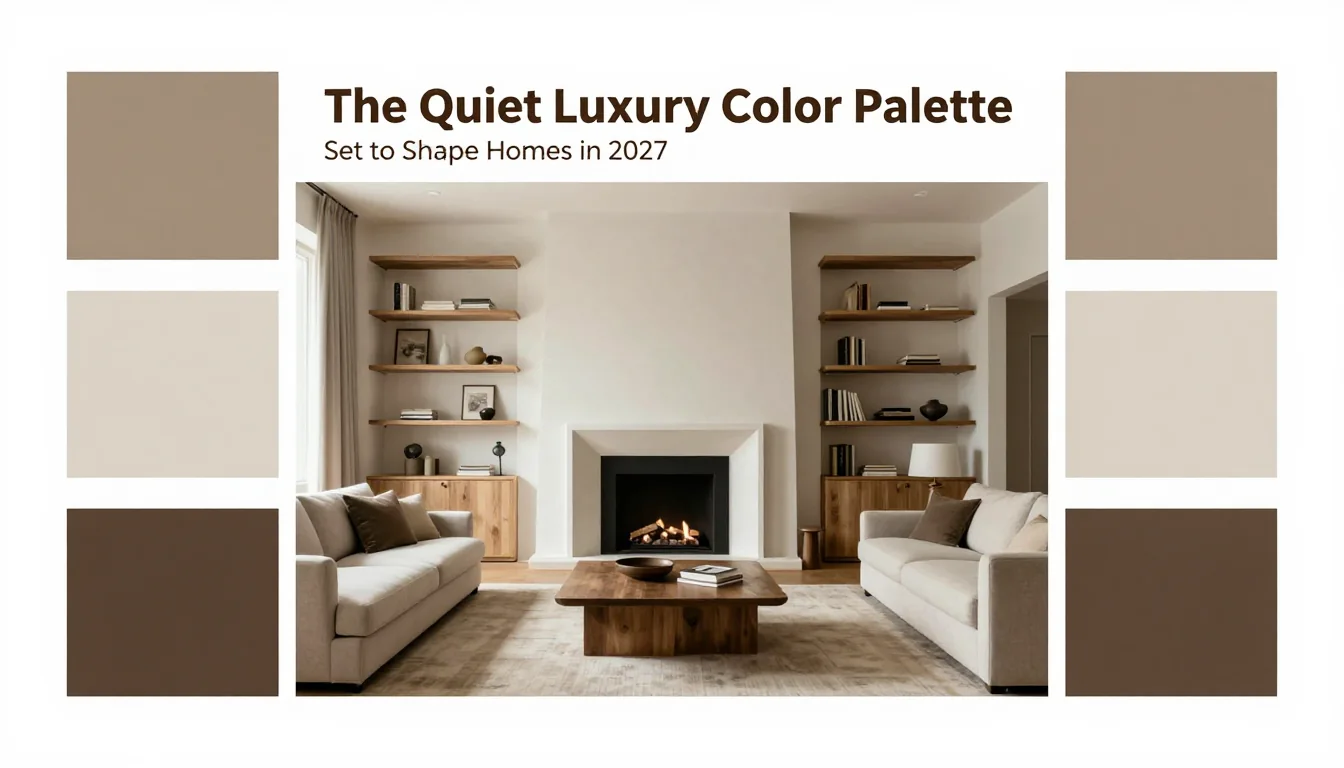
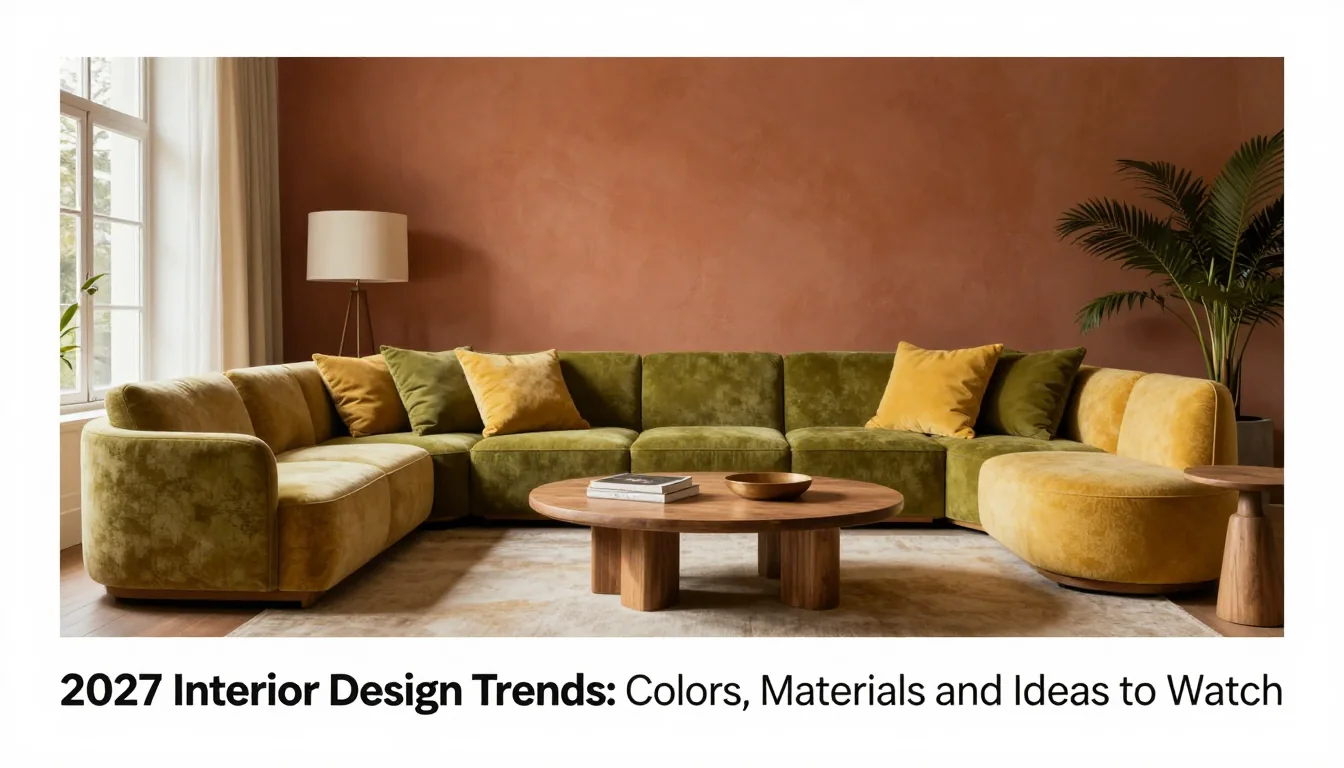
If previous decades were defined by bold statements, 2027 is characterized by atmospheric subtlety. The color palette moves away from high contrast and aggressive saturation toward deeply muted, sophisticated tones that behave like natural light. These are colors designed to create mood rather than simply provide decoration.
The dominant hues revolve around the earth’s quiet corners: dusty sage, warm mushroom greys, sun-baked terracotta, and deep moss greens. These shades are not merely neutrals; they carry a specific emotional resonance, acting as calming counterpoints to digital life. They encourage a sense of pause and contemplation within the home.
Accents will be introduced through subtle variations in texture rather than jarring color pops. A piece of furniture might feature an oxidized copper finish against a wall painted in warm limestone tones, or a velvet throw might offer a deep shade of muted plum against a field of soft oatmeal linen. The goal is harmony—a visual whisper rather than a shout.
Lighting design plays a critical role in activating this softer palette. Integrated, diffused lighting mimics the gentle quality of natural light at dawn and dusk, allowing colors to shift throughout the day. This manipulation of shadow and glow transforms a static space into a dynamic, ever-changing experience that feels inherently more human and less manufactured.
Design for Life: Flexible and Biophilic Spaces
The ultimate thoughtful home is one that adapts seamlessly to the complexities of modern existence—a blend of professional life, personal wellness, and social connection. Therefore, functionality is the highest form of elegance in 2027 design.
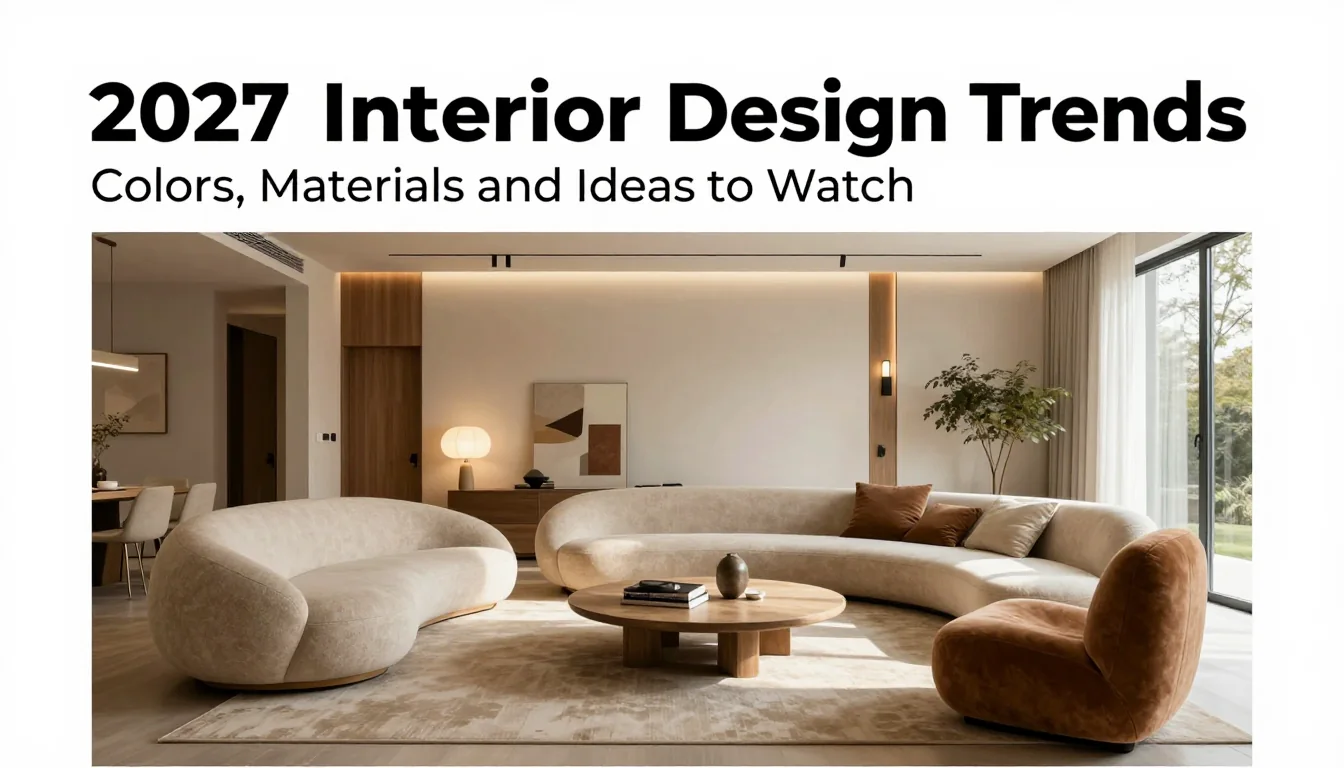
Space planning must embrace fluidity. Multi-functional furniture—modular sofas that convert into seating arrangements for gatherings, hidden desks integrated into shelving units, or sectional pieces that reconfigure based on daily needs—is essential. Walls are becoming less fixed boundaries and more flexible divisions, utilizing sliding panels, frosted glass screens, and movable partitions to define zones without sacrificing the feeling of openness.
Equally crucial is the rise of biophilic design at an advanced level. This goes beyond simply placing a potted plant in a corner; it involves integrating living systems into the architecture itself. Vertical gardens become more sophisticated, integrated water features are designed as architectural elements, and natural ventilation patterns are incorporated to ensure that occupants feel connected to the rhythms of the outdoors.
Technology will be present but invisible. Smart home integration is moving past obvious screens and speakers; it becomes an intuitive layer woven into the structure—dimmable light controlled by ambient movement, climate systems managed through subtle air changes, and acoustic dampening built directly into wall panels. The technology supports the life within the space without ever becoming a distracting centerpiece, allowing the thoughtful design to remain the true focus.
Practical Planning Notes
Choose one enduring material or color direction before adding seasonal accents.
Material Perspective
Solid wood and natural stone age predictably; printed laminates and trend-led finishes need closer sample testing.
Before You Commit
Keep a 60/30/10 balance: 60% calm base, 30% supporting materials, 10% expressive detail.
For related, room-specific ideas, continue with the guides in this category or return to the Furnlyra home page.