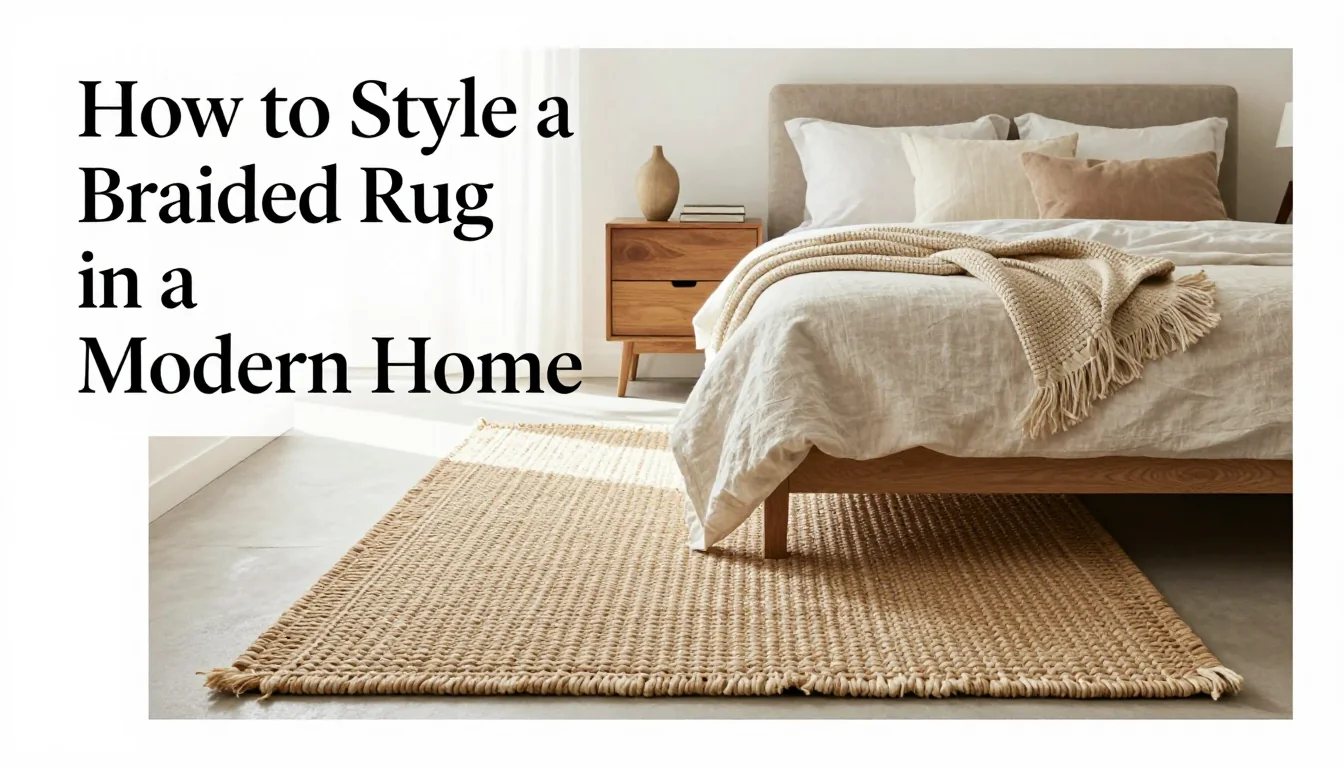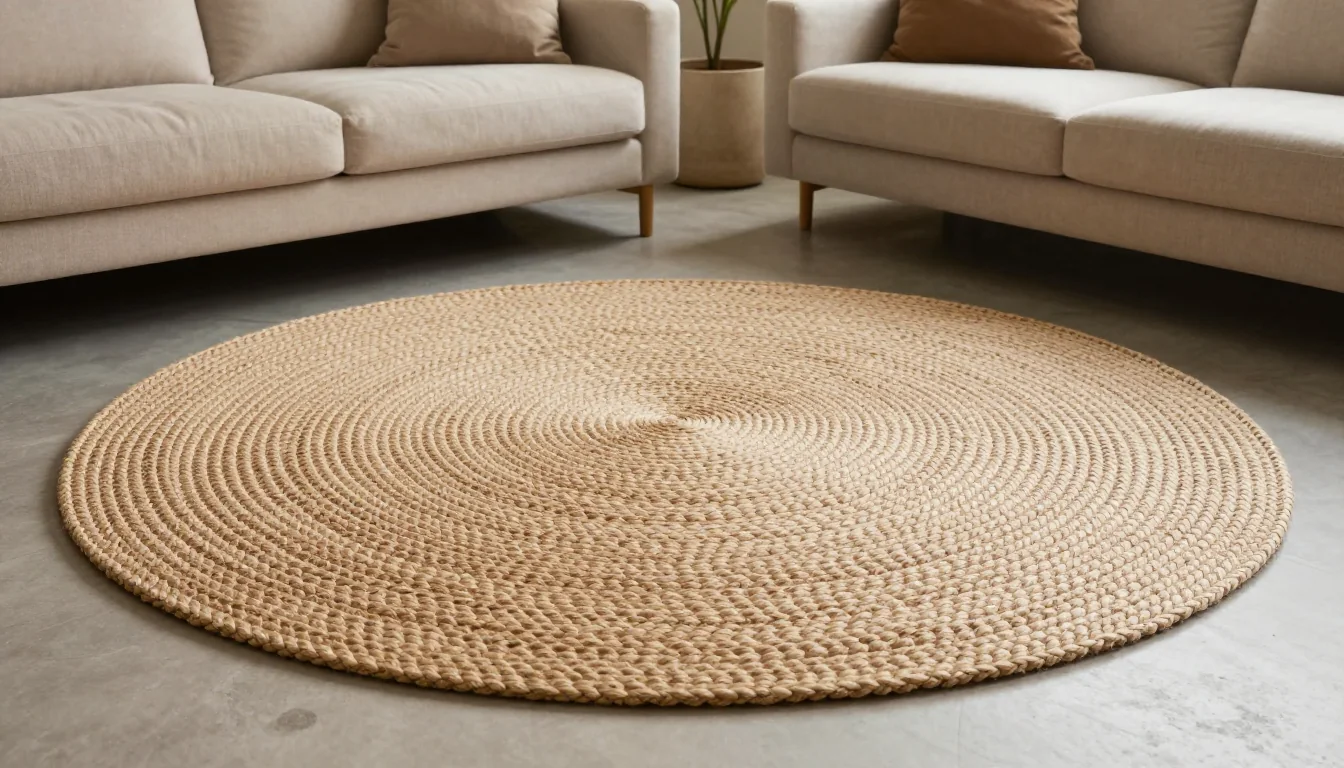
How to Style a Braided Rug in a Modern Home
Mastering Rug Scale and Placement
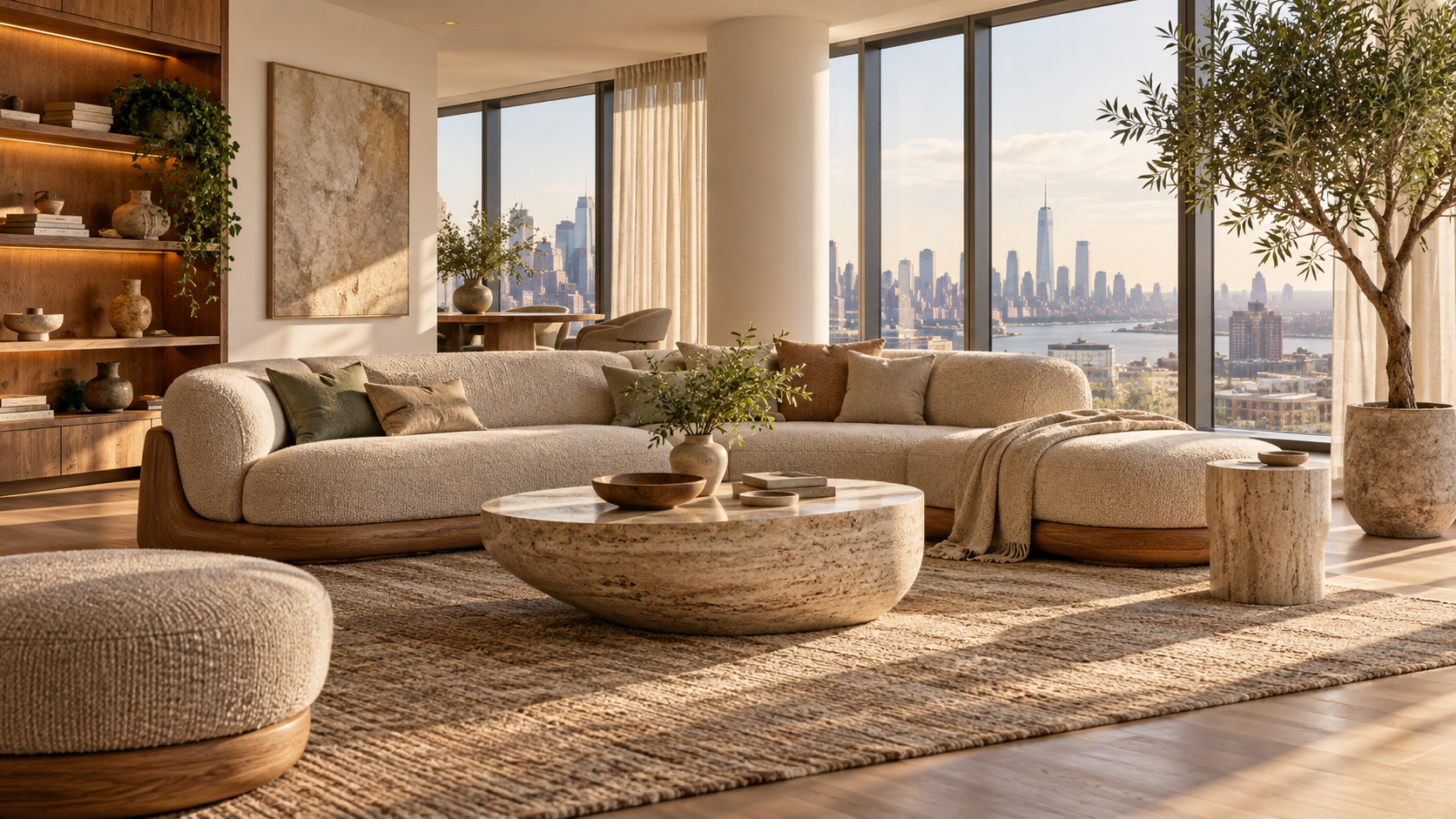
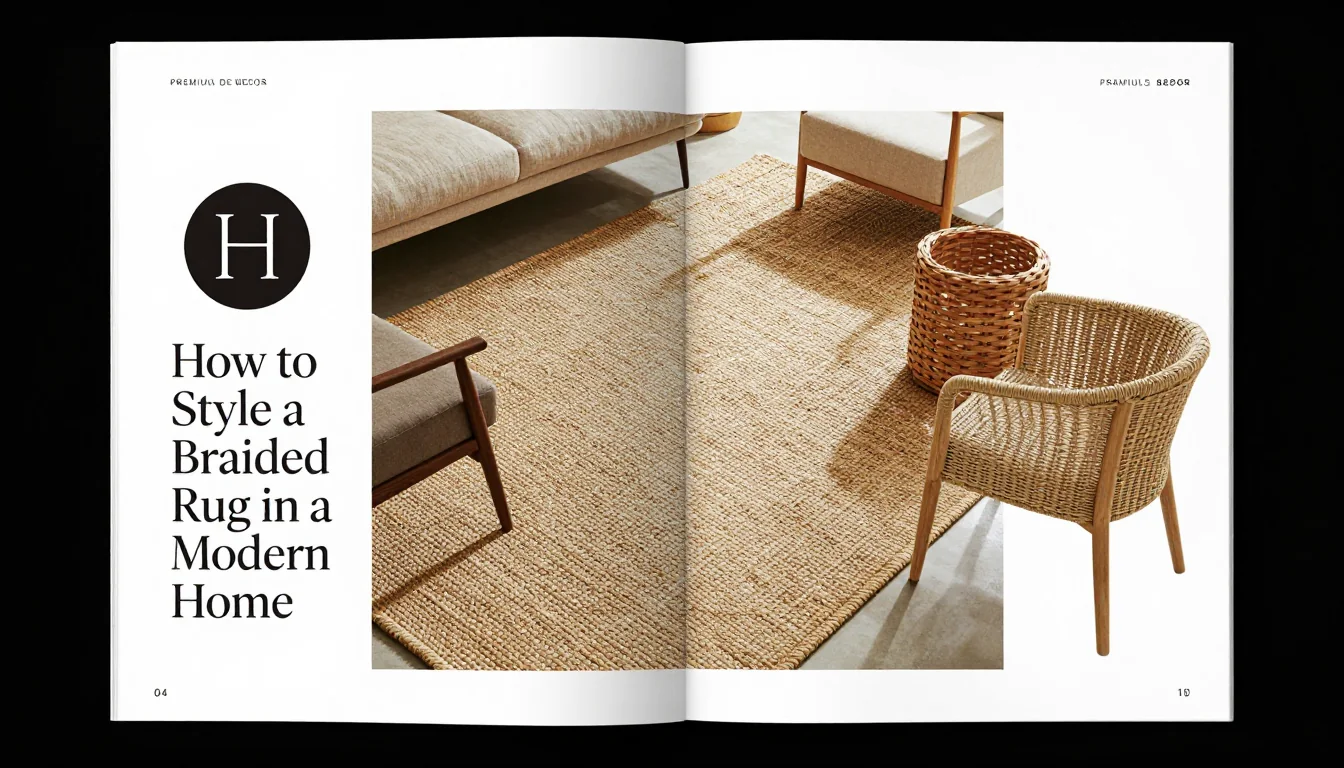
The most common mistake when introducing a braided rug into a modern space is misjudging its scale relative to the furniture grouping. In contemporary design, rugs function as anchors, defining zones within an open-plan living area or dining room. To achieve this foundational anchoring effect, the rug must be large enough that at least the front two legs of all main seating pieces—sofas, chairs, and occasional tables—rest upon its surface. If a braided rug is too small, it becomes a decorative afterthought rather than a functional design element, visually shrinking the room despite its woven presence.
When selecting size for high-traffic areas like an entryway or hallway, consider the path of movement. A narrower runner might suffice if the traffic flow is singular and straight, but in multi-directional entryways, opting for a square or rectangular rug that spans at least 6 to 8 feet offers necessary stability and safety. The braided construction itself tends to add visual weight; therefore, pairing it with lighter, more delicate furniture profiles helps balance its inherent solidity, preventing the space from feeling too heavy or grounded.
Placement should always follow the functional needs of the room first. In a modern kitchen-dining setting, for example, the rug must be positioned such that chairs can be pulled back and pushed forward without scraping the edges. A common practical tradeoff is accepting a slightly smaller perimeter of exposed floor around the furniture grouping if it ensures all feet are fully contained within the weave. This containment provides a polished, finished look consistent with streamlined modern aesthetics.
Utilizing Braided Texture in Modern Layering
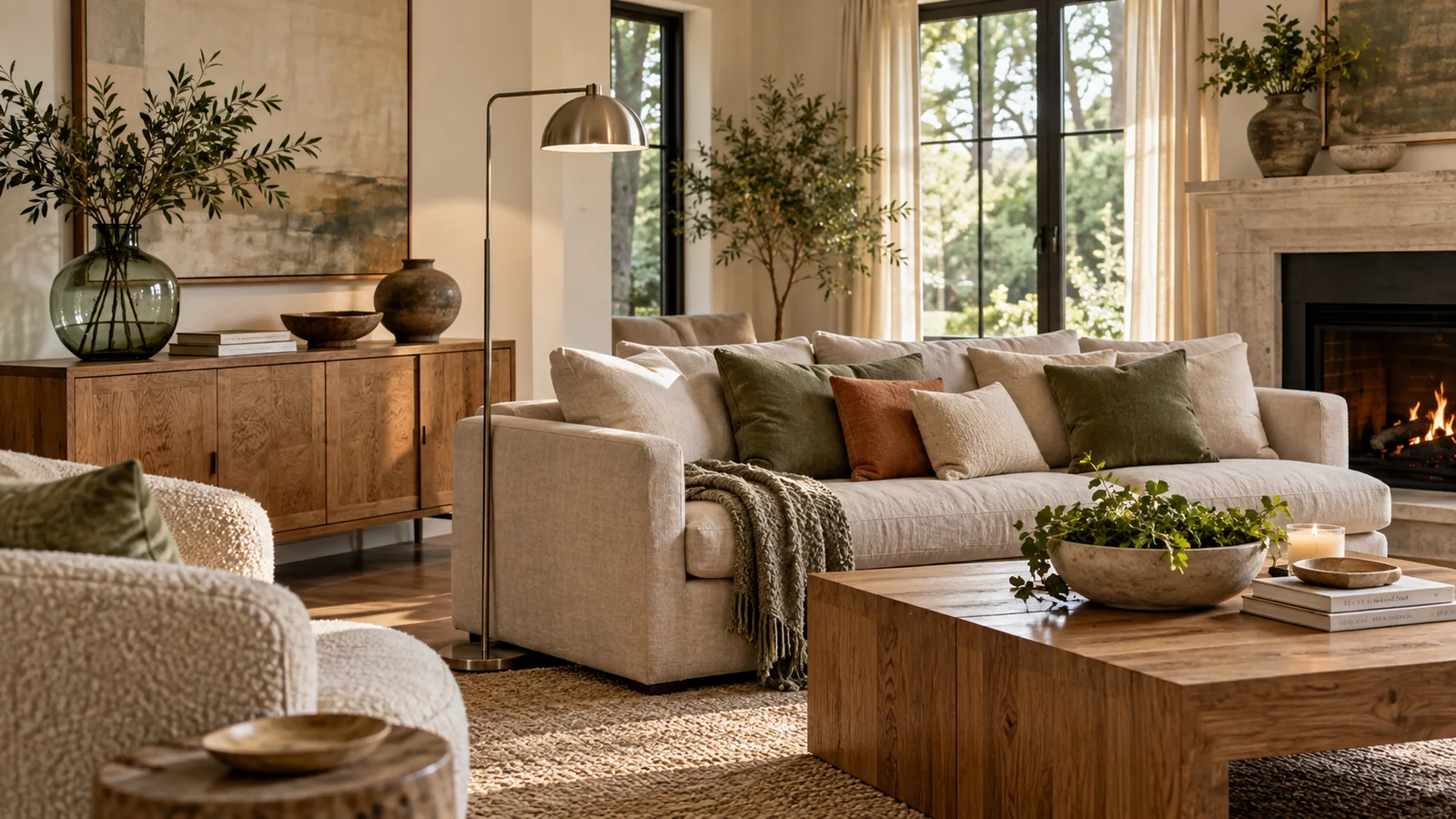
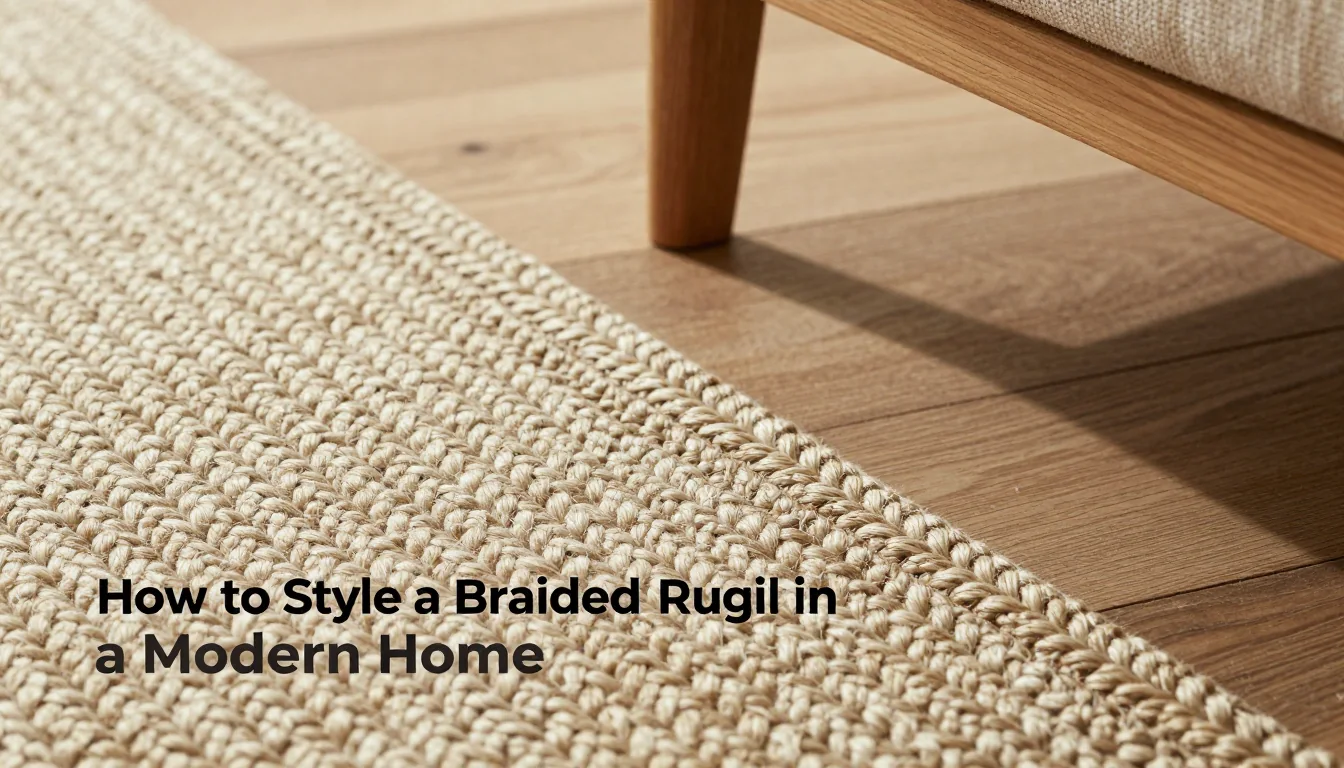
Modern interiors often favor clean lines and minimalist palettes, yet this restraint can sometimes lead to visual monotony. The braided texture provides an immediate opportunity for introducing organic warmth and tactile interest without sacrificing the room’s contemporary sensibility. Instead of allowing the rug to be the sole textural element, use it as a foundation upon which other contrasting textures are layered—think smooth leather ottomans, polished metal side tables, or rough-hewn wooden coffee tables.
Layering rugs is an advanced technique that requires careful consideration of material and height. When layering a braided rug beneath another piece (such as a smaller, plush sheepskin throw or a solid jute accent mat), ensure the underlying braid provides sufficient structural integrity to support the top layer’s weight without becoming compressed. A successful layering strategy uses the braided rug's natural geometry—its repeating pattern—to ground and stabilize the softer, more ephemeral textures placed above it.
The visual impact of braiding is highly dependent on its color and weave structure. For a truly modern look, choose neutral tones (oatmeal, charcoal, muted taupe) that allow the texture to speak for itself rather than compete with wall art or upholstery patterns. If introducing color, select rich, deep hues—like forest green or burnt umber—that mimic natural elements, allowing the dense braid structure to absorb and deepen those colors, providing a sophisticated counterpoint to sterile modern finishes.
Maintenance and Longevity Considerations
The care required for braided rugs is heavily dependent on their material composition. Natural fibers, such as wool or jute, possess inherent resilience but demand specific caution regarding moisture and sunlight exposure. Wool braids are durable and can handle moderate traffic, but they require spot cleaning with specialized fiber cleaners to prevent the buildup of dirt deep within the weave. Jute, while highly textural and rustic, is susceptible to water damage and requires careful handling during spills; excessive saturation can compromise its structural integrity.
Synthetic materials offer a practical tradeoff for modern living spaces by providing exceptional resistance to stains and wear, making them ideal for busy family environments. However, synthetic braids often lack the organic depth of natural fibers and may be more susceptible to static buildup or pilling over time. When selecting a rug intended for high-use areas, review the manufacturer’s guidance on vacuuming settings; using an attachment designed for deep pile can help maintain the braided structure without damaging the interlocking loops.
Regardless of material, always consult the care tag before undertaking any cleaning procedure. Some tightly woven braids are not suitable for machine washing and may require professional dry cleaning, which ensures that the complex braiding pattern remains intact. A critical caution is avoiding harsh chemical cleaners near the edges or corners, as these areas often receive the most wear and can suffer irreversible discoloration if exposed to inappropriate solvents.