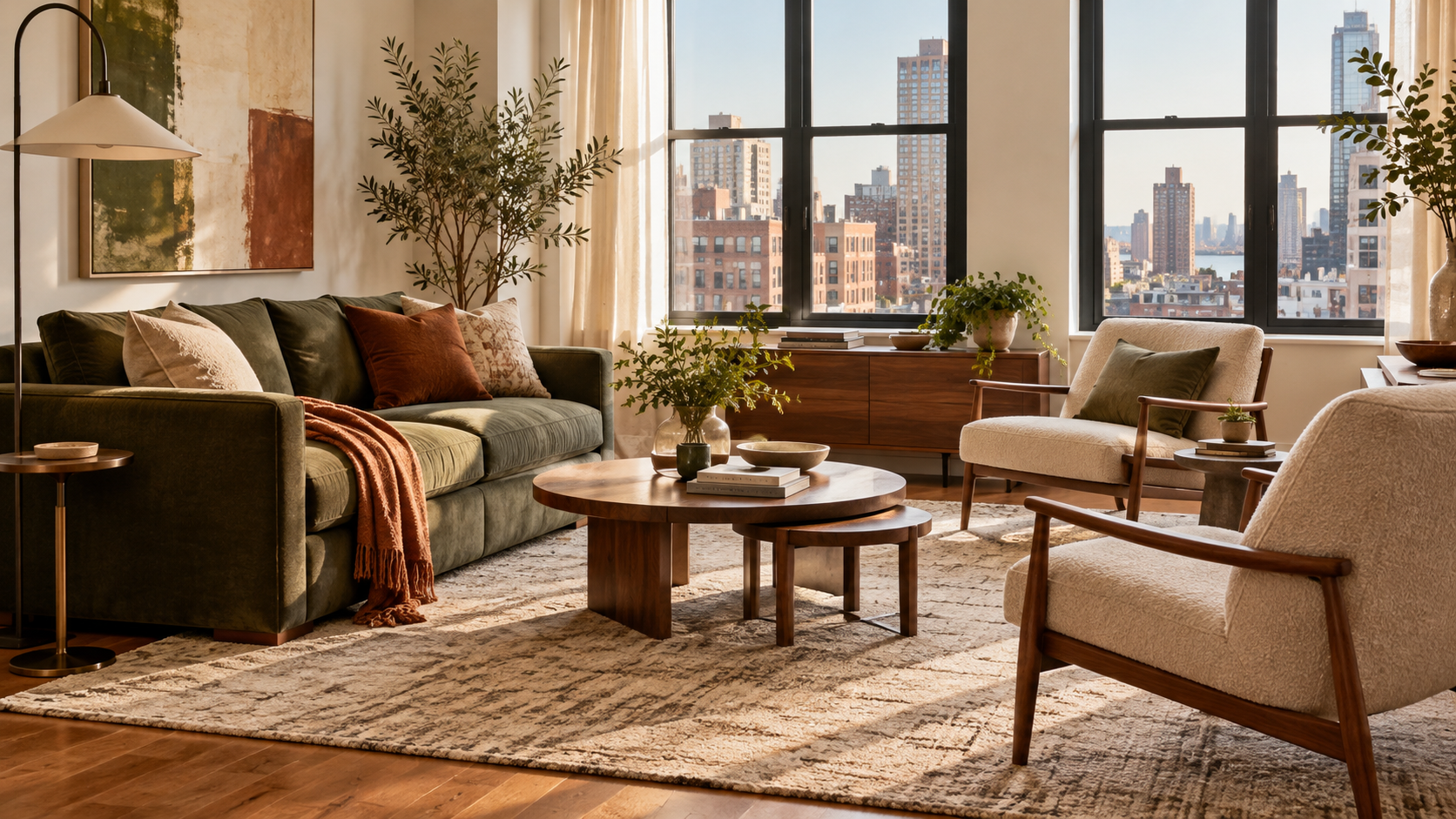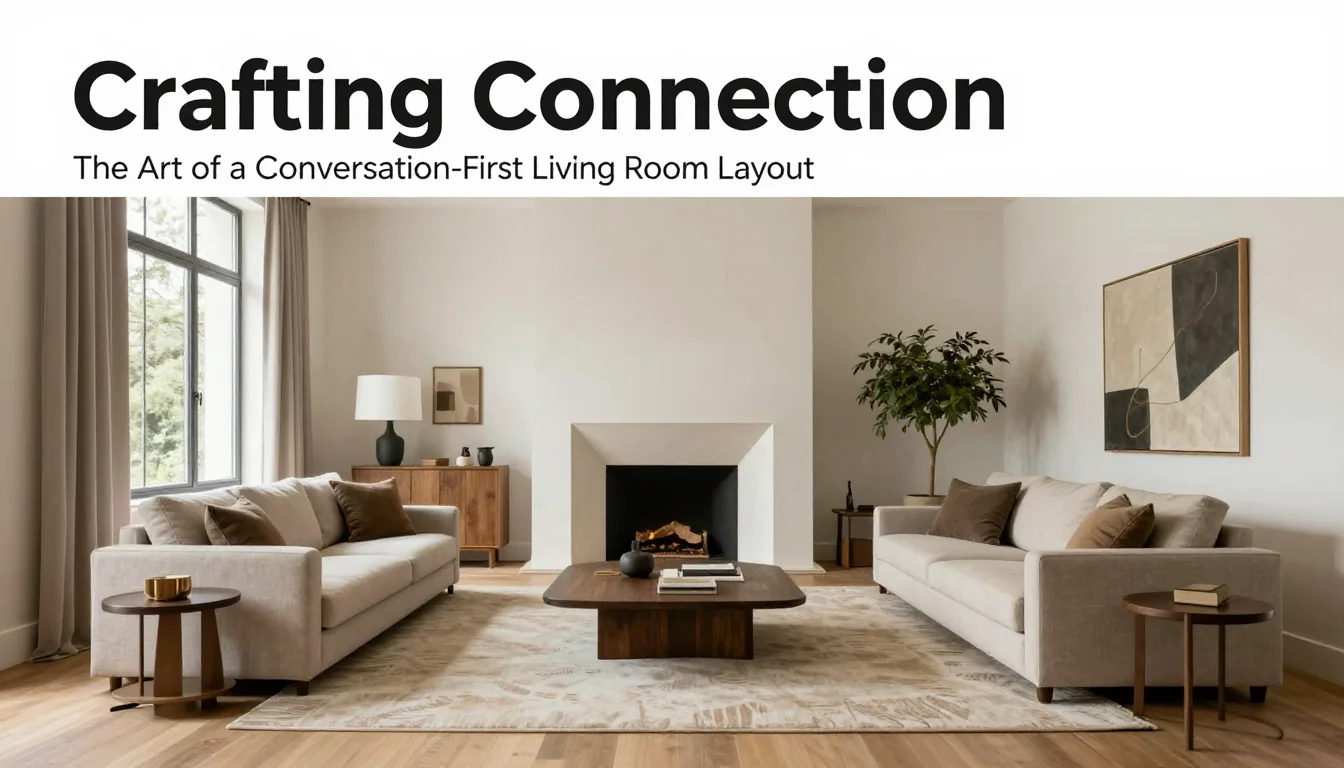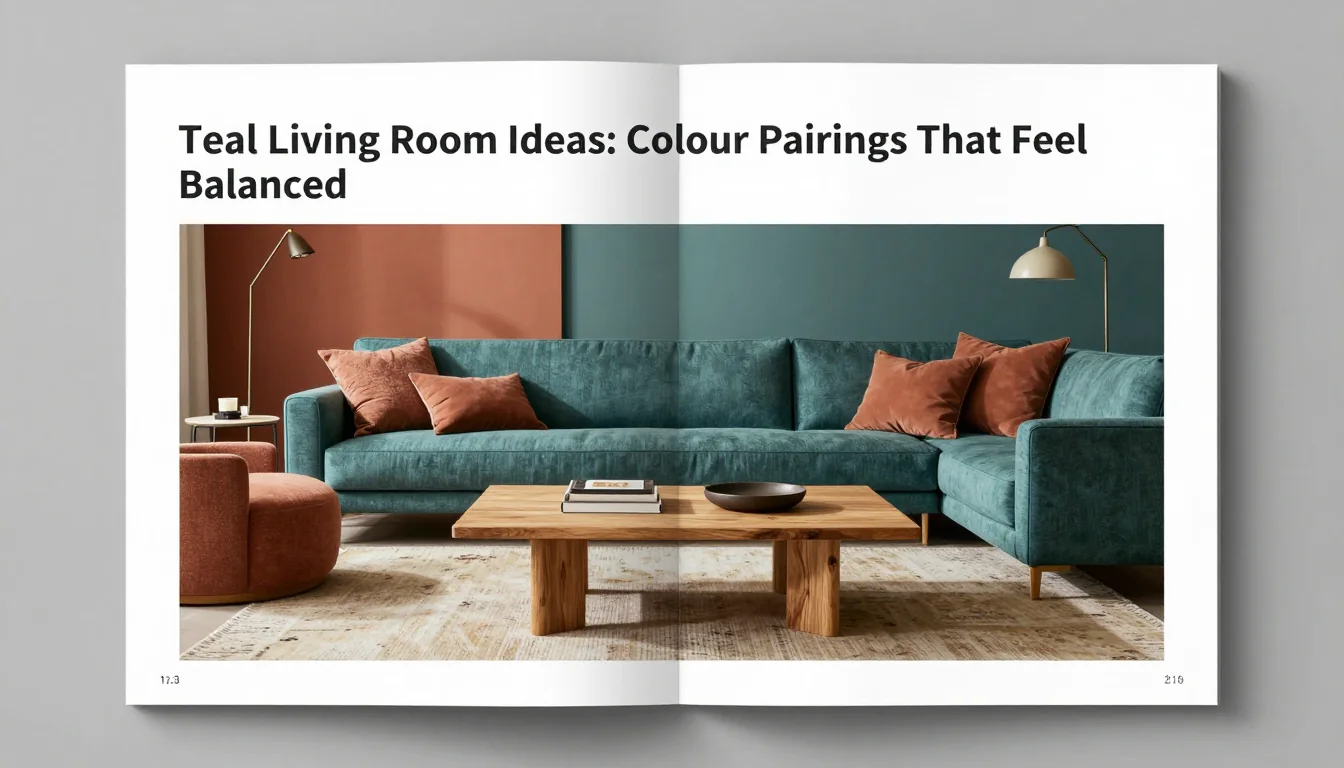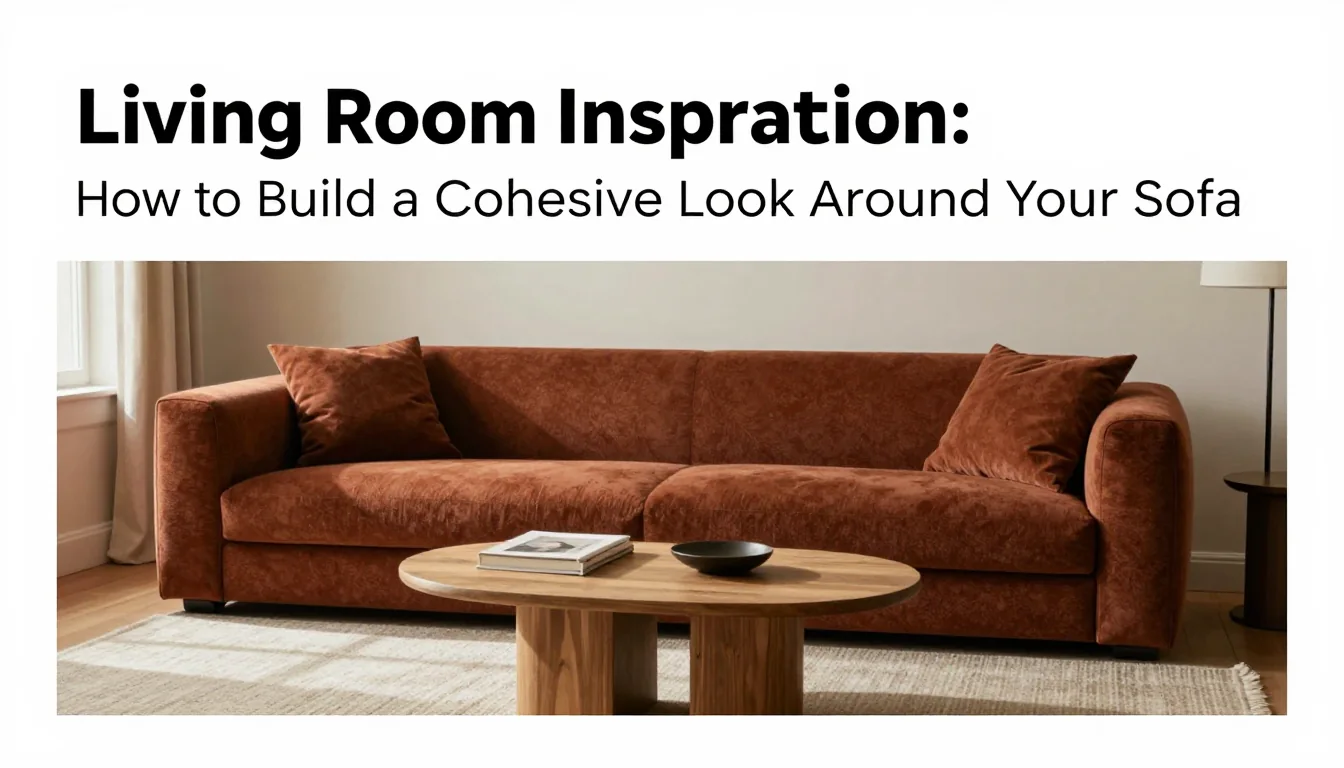
Living room design often feels overwhelming, prompting the urge to replace every piece of furniture. However, achieving a sophisticated and cohesive look does not require a full renovation or massive expenditure. The sofa is typically the gravitational center of the living space; by carefully adjusting its supporting elements—from rugs to cushions to light sources—you can drastically elevate your room's aesthetic appeal and harmony using items you already own or minor additions.
Establishing Scale and Foundation: The Sofa and the Rug
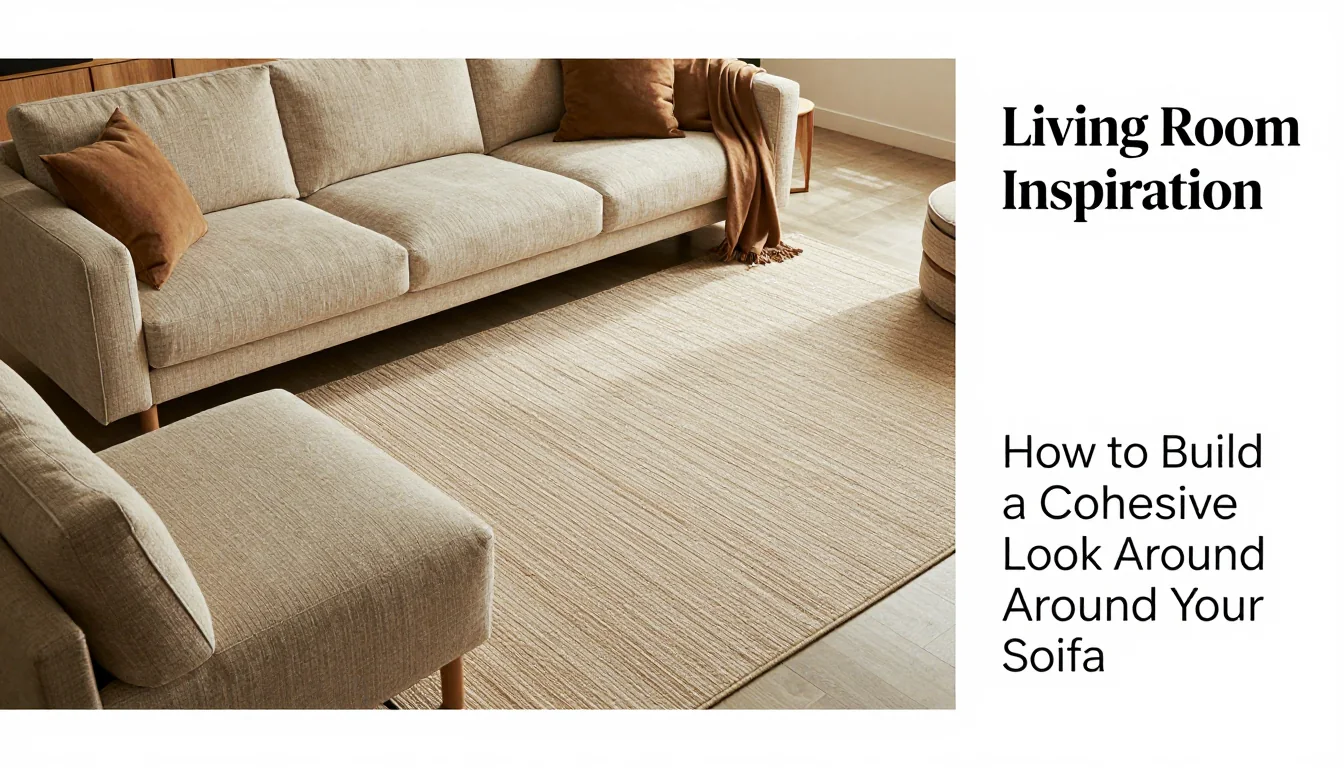
The relationship between your sofa and your area rug is fundamental to establishing visual balance. A common mistake is choosing a rug that is too small, which makes the furniture appear isolated or adrift in the space. Ideally, when placing a rug under a primary seating arrangement, at least the front two legs of all major pieces—including the sofa and accent chairs—should rest on the rug. If your sofa is large (e.g., 90 inches wide), ensure the rug provides sufficient grounding; consider an area rug that is at minimum 8x10 feet for a standard seating arrangement, allowing enough space around the edges to feel intentional rather than constrained.
If you are working with a smaller room or have an unusually sized sofa, the tradeoff might involve choosing a slightly larger rug than comfortable in theory. A very large rug can sometimes overwhelm a small footprint. Instead of strictly adhering to the 'all legs on' rule if space is severely limited, prioritize ensuring the rug covers the main seating area and extends significantly past the front edge of the sofa to create a unified zone. The goal is to define the conversational space, not necessarily to maximize every square inch.
When selecting or coordinating existing rugs, pay attention to texture and pattern complexity. Highly ornate patterns should be balanced by simpler, more solid-colored textiles on your cushions and throws. If you have a heavily patterned rug, keep throw pillows in complementary but muted tones—perhaps utilizing the secondary colors found within the rug’s design—to tie the elements together without creating visual chaos. For wool rugs, always ensure regular vacuuming to maintain pile height; for jute or sisal, occasional brushing prevents matting and preserves its natural texture.
The Power of Textiles: Layering Texture and Color
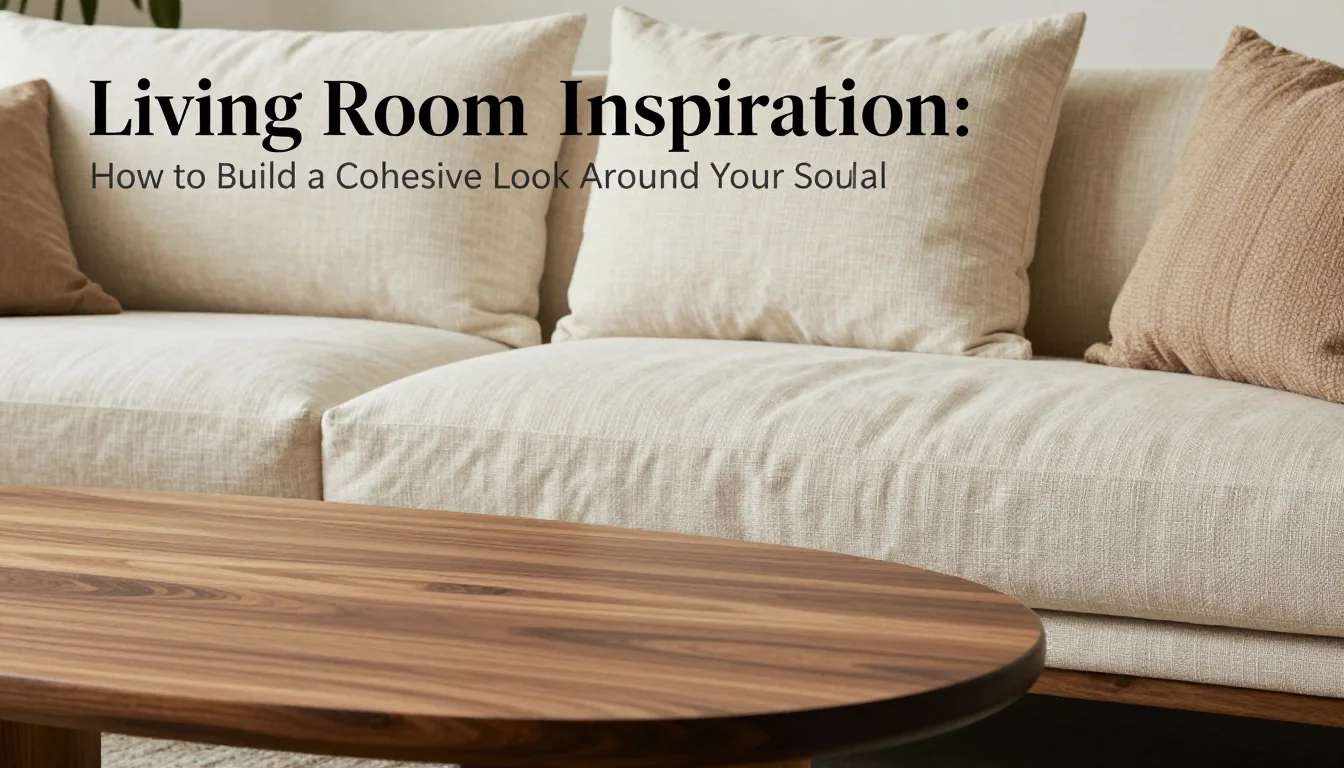
Textiles are the most immediate and affordable way to inject personality and cohesion into a room. They allow you to introduce color, pattern, and tactile interest without committing to expensive furniture changes. Start by assessing your sofa’s current fabric—is it smooth velvet, rough linen, or sturdy tweed? Your throw pillows and blankets should offer contrast in texture; pairing a sleek leather sofa with chunky knit throws and woven pillows creates immediate depth.
When choosing colors for cushions, avoid simply picking shades that match the sofa perfectly. Instead, identify three to five key colors already present in your room—perhaps pulled from artwork, wall color, or even the rug—and build your textile palette around those hues. Introduce these colors through varying saturation levels; a deep forest green cushion paired with a lighter sage green throw pillow offers complexity without clashing. A realistic tradeoff here is that mixing too many patterns (more than two) on adjacent pieces can look busy and chaotic, so prioritize coordinated color over maximal pattern density.
Caring for these additions is crucial to maintaining the look. For delicate materials like silk or certain woven blends, spot cleaning is preferable; never machine wash unless explicitly instructed by the care tag. If you are using synthetic pillows on a high-traffic sofa, ensure they have removable covers and use mild detergent formulated for fabric maintenance. Always check the pillow fill type—down requires professional cleaning to maintain loft, while polyester fills can be washed with standard household detergents.
Illumination and Finishing Touches: Strategic Lighting
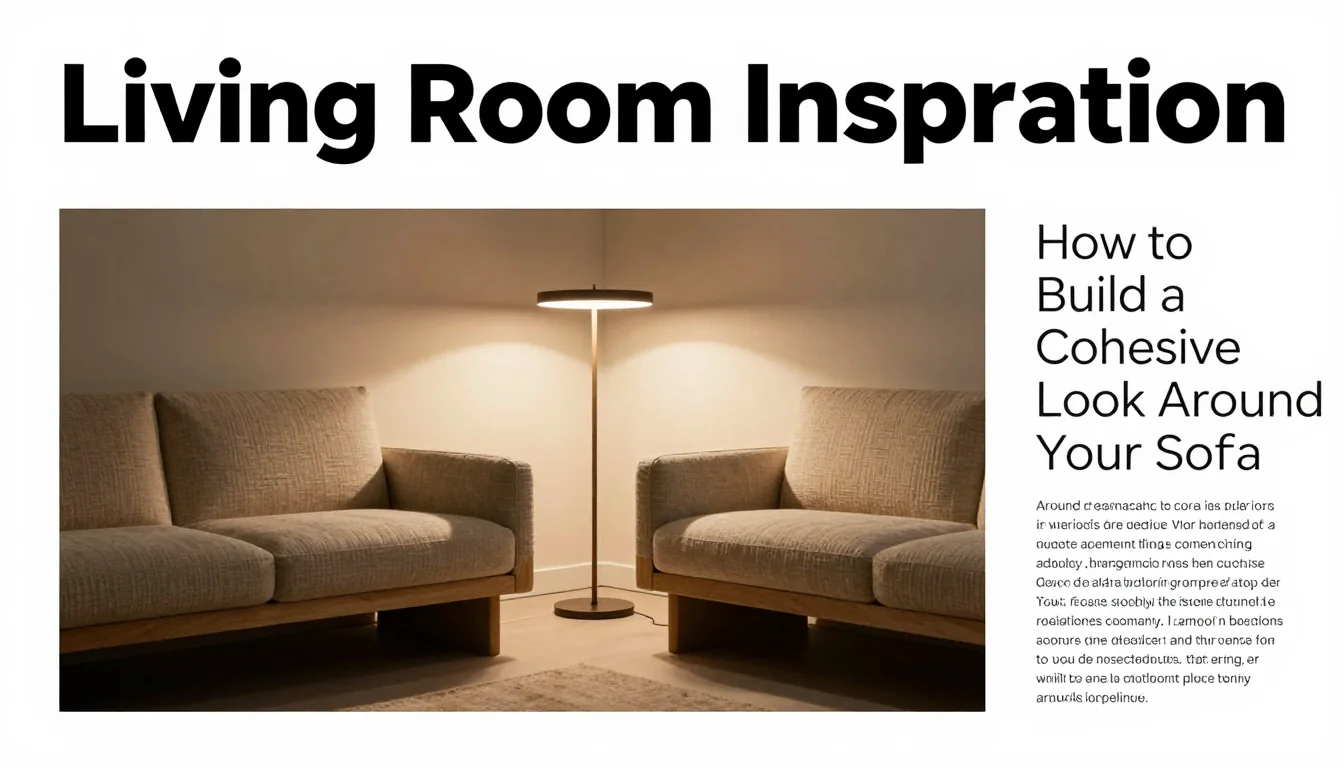
Lighting is often overlooked but acts as the final cohesive element. A room that feels unified has layers of light, not just a single overhead fixture. Incorporate floor lamps and table lamps strategically to define zones—a reading nook lamp next to an armchair, or a low ambient lamp placed behind the sofa for soft glow. This layered approach adds dimension and prevents the space from feeling flat.
When coordinating lighting with your existing decor, consider the light temperature (measured in Kelvin). If your textiles and furniture lean towards warm earth tones, use bulbs in the 2700K to 3000K range; this soft, yellowish light enhances warmth. Conversely, if your palette is cool—blues, grays, whites—a slightly cooler white bulb (around 3500K) can maintain crispness and prevent the space from looking dingy. The tradeoff in using decorative lamps is that they must be functionally appropriate for their location; a highly ornate lamp placed in a practical reading spot might compromise usability.
Finally, ensure your accessories reflect the scale of the room. Oversized pieces of art or very large mirrors can instantly pull a cohesive look together by drawing the eye upward and defining boundaries. If you are using side tables next to your sofa, make sure they are suitably scaled; a tiny end table will feel dwarfed by a substantial sectional. When adding decorative objects—vases, books, sculptures—use grouping techniques (odd numbers usually work best) and keep them consistent in material or color palette with the rest of your room's scheme for a polished, deliberate finish.
Practical Planning Notes
Leave roughly 30–36 inches for a main circulation path and 14–18 inches between a sofa and coffee table.
Material Perspective
Wool and performance linen bring texture; leather is easier to wipe but benefits from controlled sunlight.
Before You Commit
Confirm seating, side tables, reading light, and a reachable surface for every main seat.
For related, room-specific ideas, continue with the guides in this category or return to the Furnlyra home page.