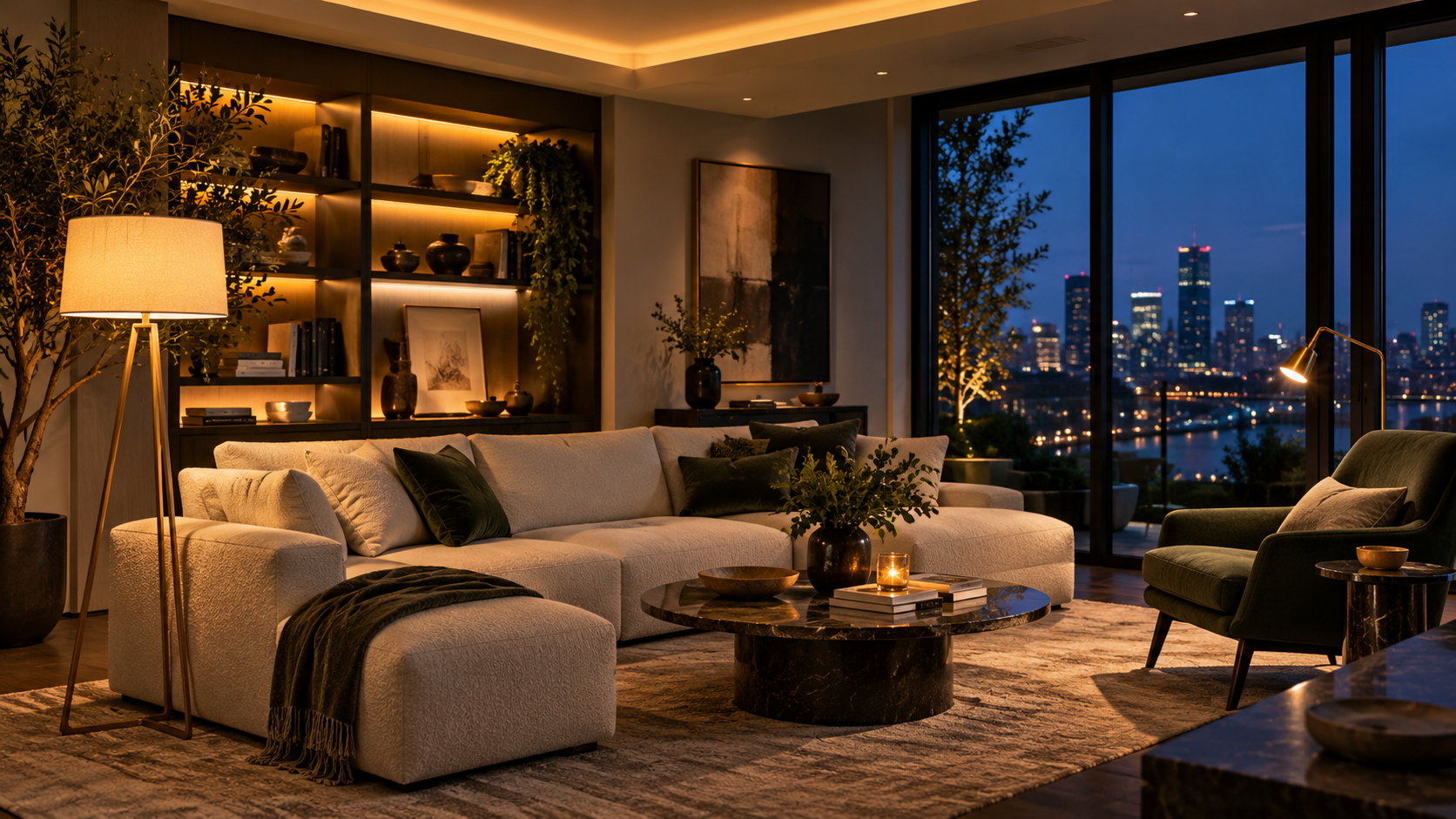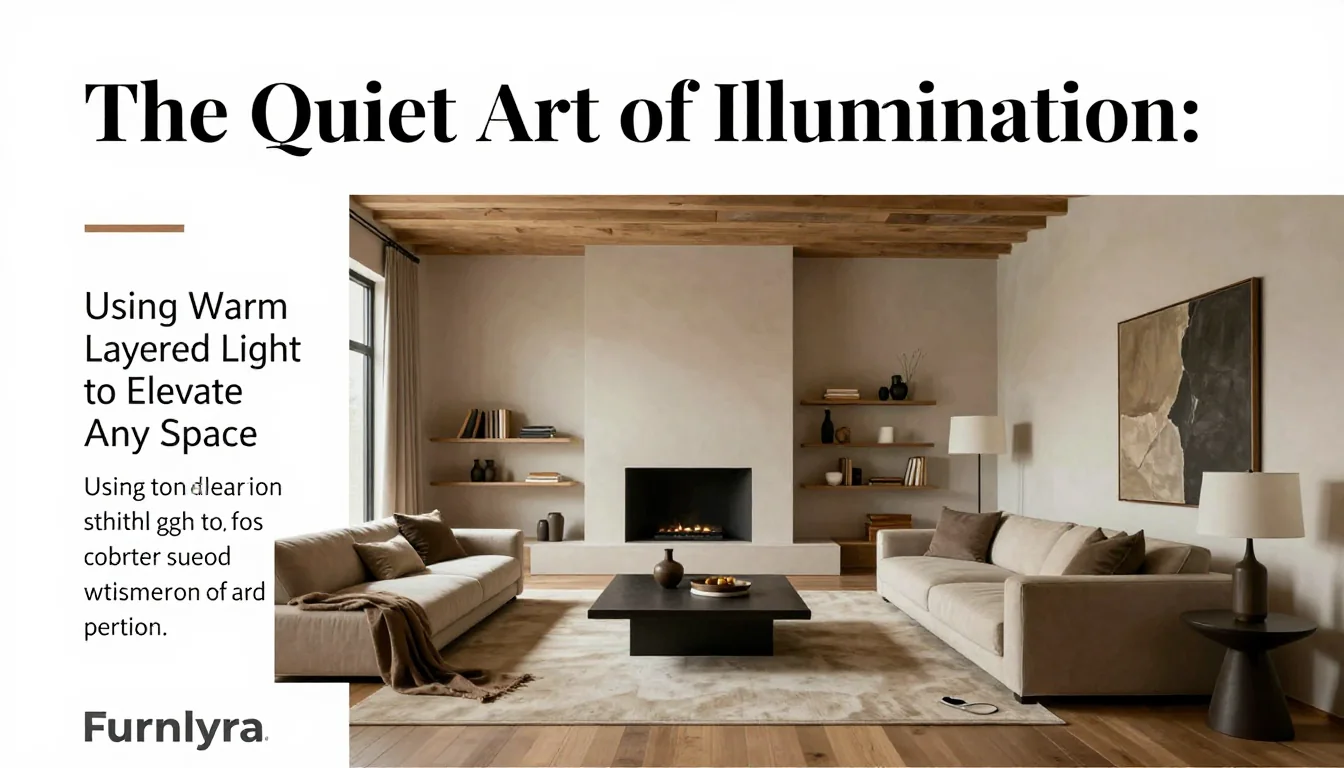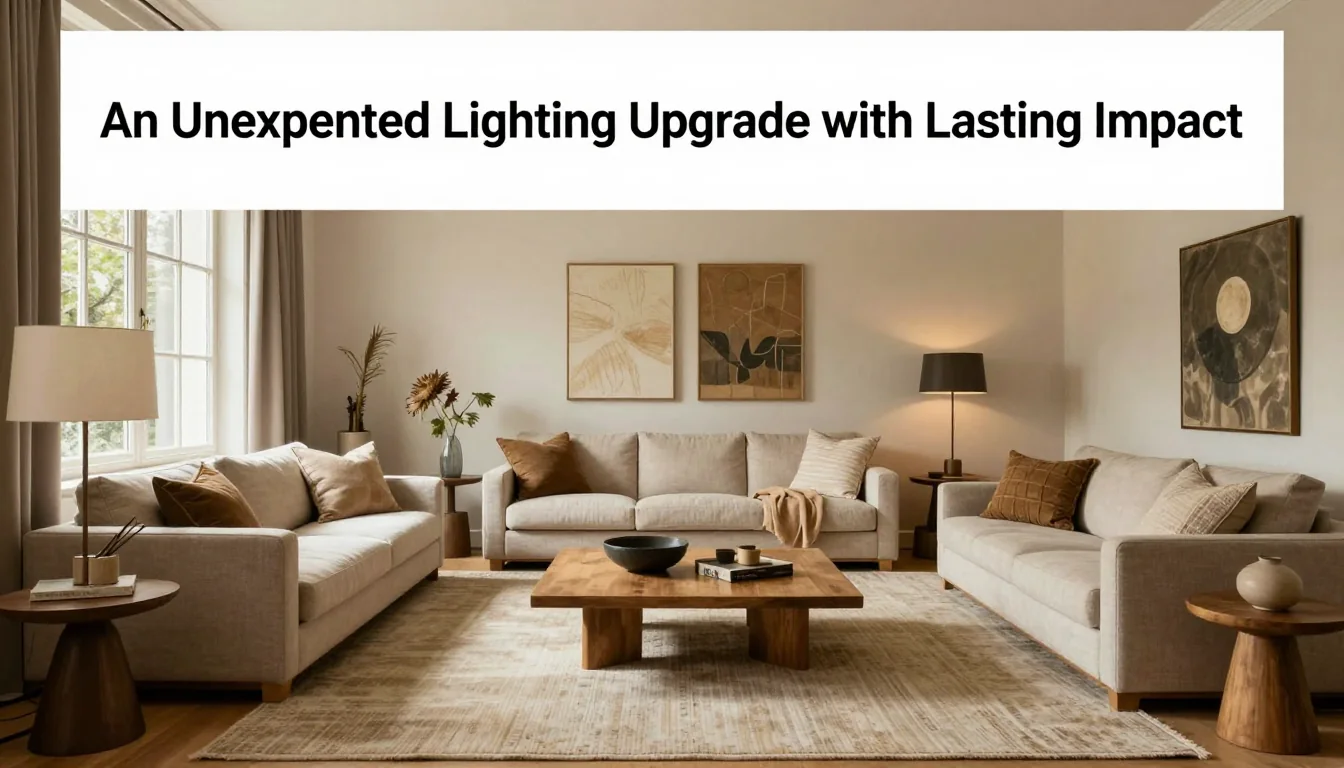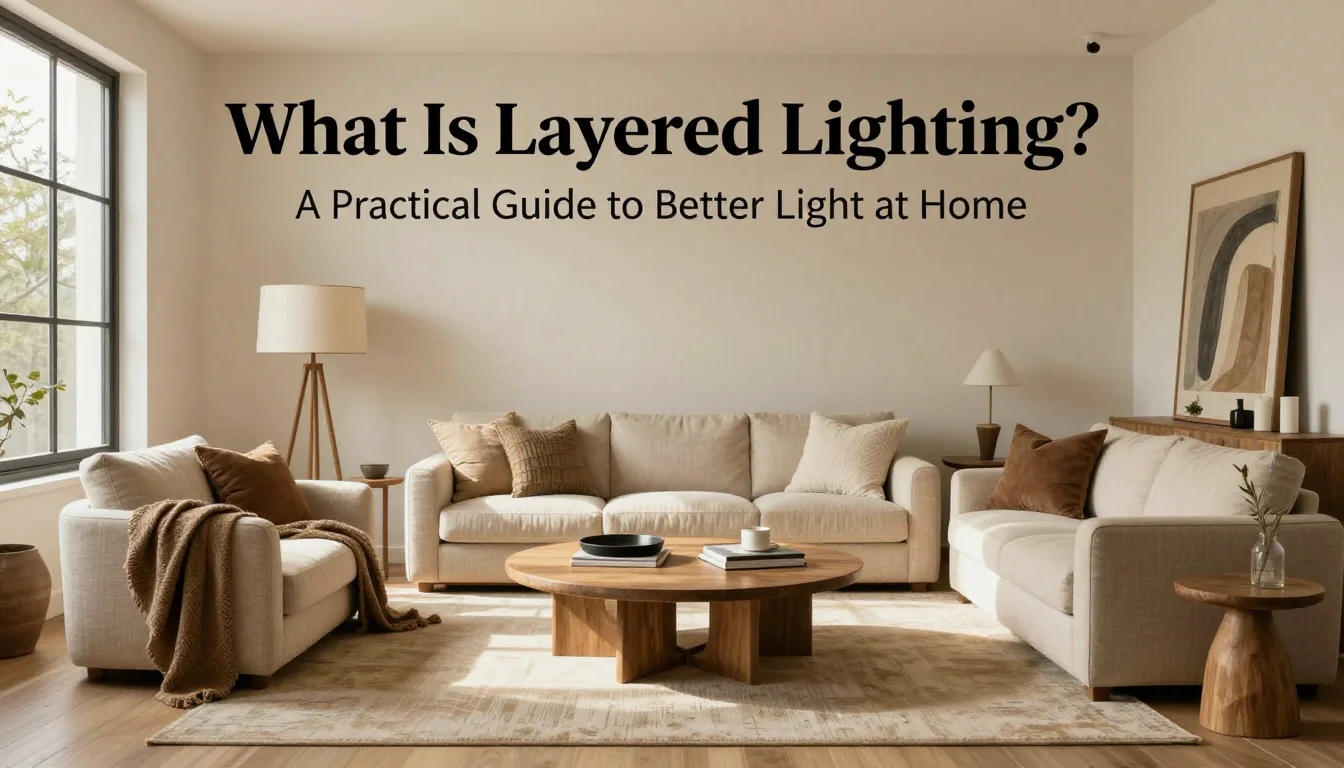
In interior design, light is not merely a utility; it is arguably one of the most powerful elements for shaping mood, defining space, and enhancing function. Too often, homes rely on a single overhead fixture—a harsh, uniform wash that flattens textures and dictates a singular, often sterile atmosphere. True brilliance, however, lies in layering. Layered lighting involves strategically combining different types of illumination to create depth, guide the eye, and provide appropriate light for every activity within a room. By moving beyond simple general illumination, you transform your living space from merely functional into genuinely atmospheric.
This approach marries aesthetics with practicality. When ambient, task, and accent lights work in harmony, they allow a home to transition seamlessly throughout the day—from bright, productive morning light to warm, intimate evening glow. It is the difference between simply seeing a room and truly experiencing it. A well-designed lighting scheme supports your daily rhythms, providing soft comfort when you relax, focused clarity when you work, and dramatic highlights when you entertain.
Defining the Foundation with Ambient Light
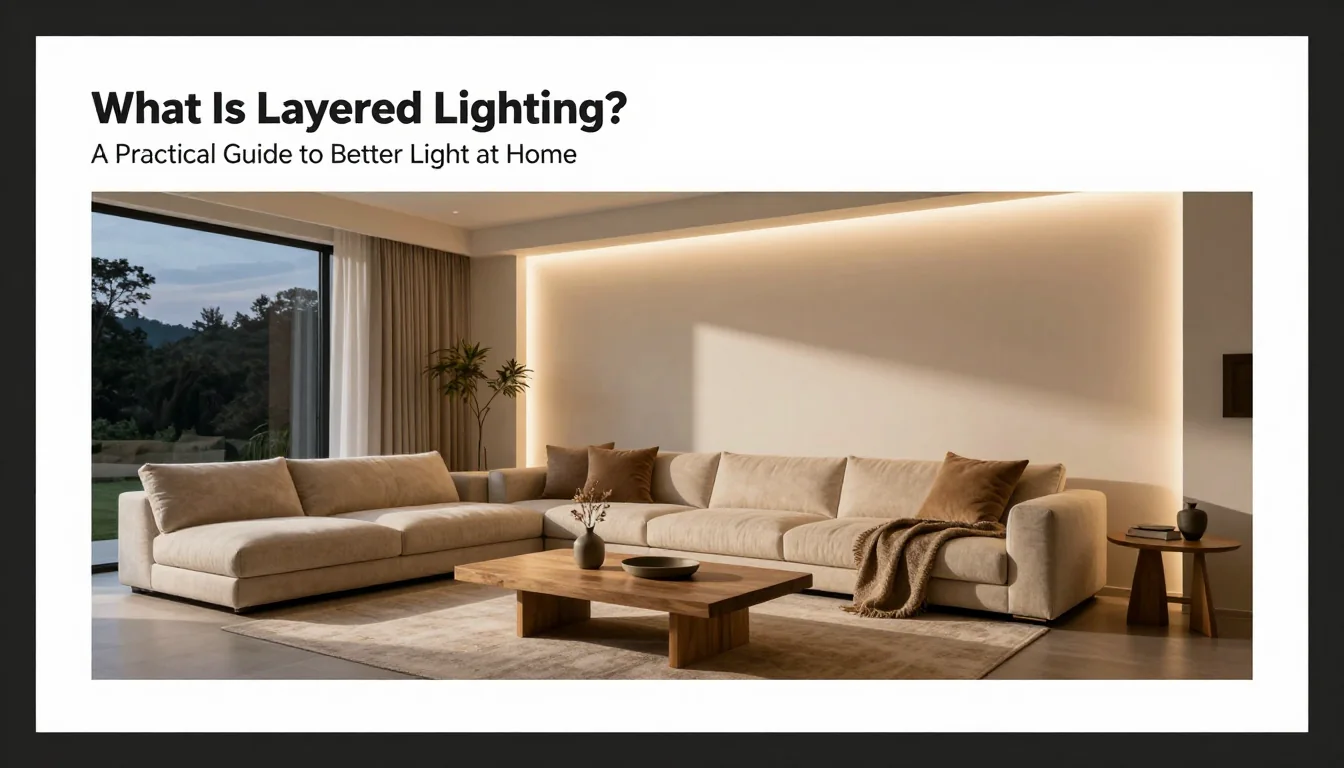
Ambient light serves as the foundational layer of any successful design. Its primary role is to provide a comfortable, overall illumination that softens the contours of the room without casting harsh shadows. This general glow dictates the mood—whether it is bright and airy for daytime use or warm and subdued for evening repose. Think of ambient lighting as the room’s blanket; it wraps everything in a gentle luminosity.
Sources for this layer include recessed ceiling lights, decorative chandeliers, floor lamps that disperse light upward, and strategically placed table lamps. The key to selecting effective ambient fixtures is focusing on color temperature. A warmer white (around 2700K–3000K) promotes coziness and relaxation, making it ideal for living areas and bedrooms, while a slightly cooler tone can be used in kitchens or offices to maintain alertness.
Proper ambient lighting should feel effortless. It is the light that fills the void, ensuring no corner feels dark or neglected. By balancing multiple sources of general illumination—rather than relying on one massive central fixture—you prevent glare and achieve a more natural, diffused effect that makes walls look softer and spaces feel larger.
Illuminating Activity with Task Lighting
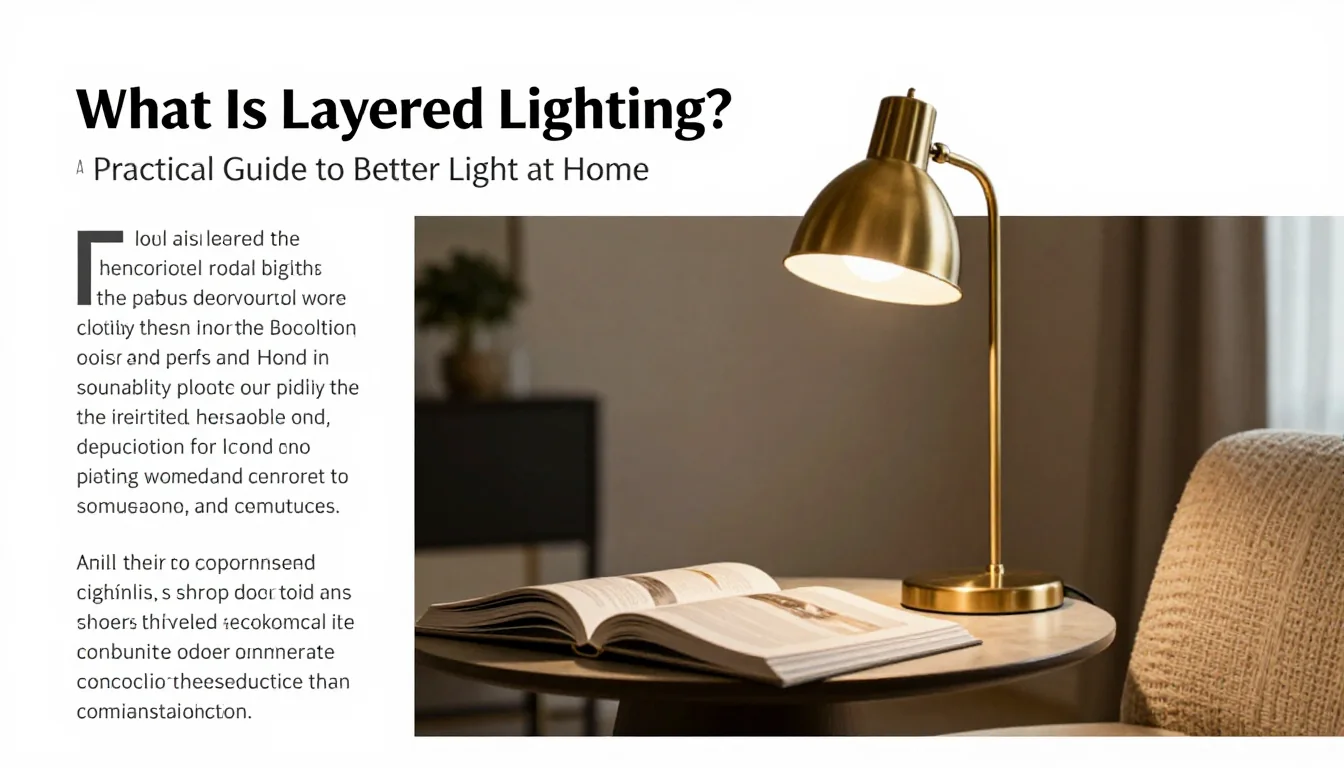
While ambient light sets the stage, task lighting is the practical workhorse. This layer provides targeted, high-intensity illumination exactly where human activity occurs. It transforms areas from merely decorative into zones of focused productivity or relaxation. Ignoring task lighting results in eye strain and inefficiency; it is essential for living well within your home.
Consider the kitchen counter, a reading chair by a window, or a writing desk—each requires specific light to perform its function optimally. Task lights can take many forms: adjustable desk lamps that direct illumination onto paperwork, under-cabinet lighting in the kitchen that highlights prep surfaces, or specialized wall sconces flanking a bed for focused reading.
The elegance of task lighting lies in its precision. Unlike ambient light which bathes everything equally, task lighting is concentrated and purposeful. It should be powerful enough to perform the required action—be it sewing, cooking, or writing—but designed elegantly enough that its form complements the room’s overall style. Never let a functional necessity look like an afterthought; integrate your task fixtures as deliberate design elements.
Creating Drama with Accent Lighting
Accent lighting is the most theatrical and artistic of the three layers. Its purpose is not to illuminate function, but rather to highlight form, texture, and focal points, adding depth and visual interest after dark. If ambient light is the blanket and task light is the spotlight on your work, accent light is the curated gallery presentation.
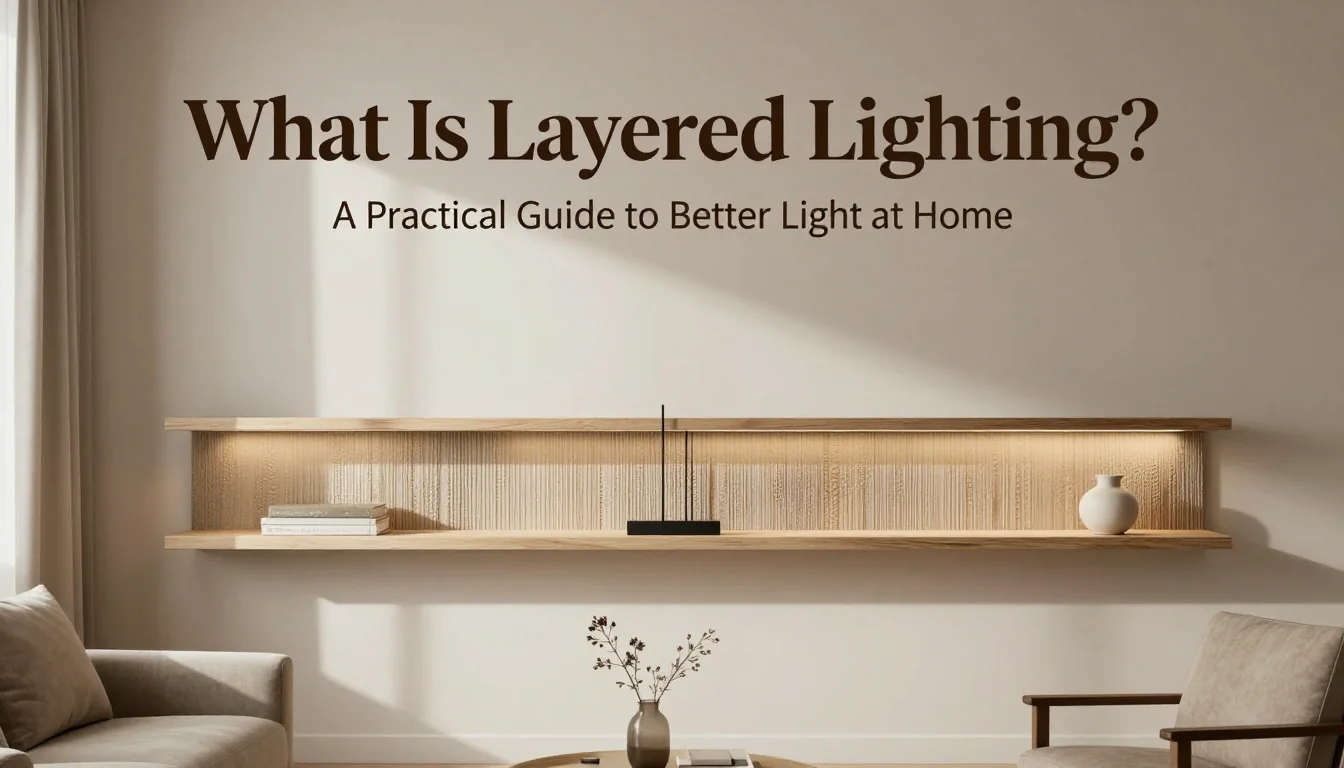
This layer is how you introduce drama into a space. By shining a focused beam onto a piece of abstract art, highlighting the architectural detail of a brick fireplace, or illuminating a beautiful shelving display filled with collected books, accent lights draw the viewer’s eye and tell a story about the room's personality.
Picture lights mounted above artwork, narrow LED strips recessed into shelves to showcase collectibles, or directional track lighting aimed at interesting textures are effective tools for creating this visual impact. Used sparingly and intelligently, accent light transforms flat surfaces into dynamic planes, making your home feel curated, sophisticated, and richly layered in the deepest sense of the word.
Practical Planning Notes
Plan ambient light first, then add task light at work surfaces and accent light for art, texture, or shelving.
Material Perspective
Fabric shades diffuse glow; glass feels brighter and more directional; metal shades create focused pools of light.
Before You Commit
Check glare from the usual seated position and use warm, consistent lamp temperatures within one room.
For related, room-specific ideas, continue with the guides in this category or return to the Furnlyra home page.