In sophisticated interior design, light is the most dynamic element, acting less as a utility and more as an architectural medium. A successful lighting scheme moves beyond simple illumination; it is the deliberate engineering of atmosphere, defining functional zones, and adding essential spatial depth. When treated strategically—much like paint or millwork—light becomes a silent storyteller, guiding the eye through a room and enhancing the character of every surface. Mastering this layer ensures that your home supports real life, whether hosting an intimate dinner party or providing focused light for evening contemplation.
Establishing the Ambient Foundation: Scale and Spread
Ambient lighting is the foundational wash—the general illumination that defines the overall mood of a room. The initial decision involves balancing required brightness with spatial intimacy. For smaller living areas (under 150 sq ft), prioritize distributed, lower-lumen sources rather than one large overhead fixture; this prevents overwhelming the space and maintaining a cozy feel. Conversely, expansive, open-plan rooms can accommodate more impactful central pieces or multiple recessed tiers to emphasize volume and draw the eye upward.
The selection of primary fixtures must align with ceiling height and architectural style. In spaces with standard 8-foot ceilings, decorative pendants should generally hang no lower than 60 inches from the floor to avoid obstruction while offering a visual anchor. For higher ceilings (10 feet or more), consider linear integrated LED tracks or chandeliers that emphasize verticality. A common mistake is using overly large fixtures in small rooms, which can visually crush the space; always ensure the fixture's scale relates proportionally to the room’s volume.
When choosing primary illumination, focus on achieving a target lux level suitable for the function. For general living areas and dining spaces, aiming for 20-30 lux is comfortable and non-clinical. If using recessed cans, avoid placing them in tight clusters; instead, distribute them evenly across the ceiling plane to ensure light pools are soft and overlapping, creating a uniform glow rather than harsh spots.
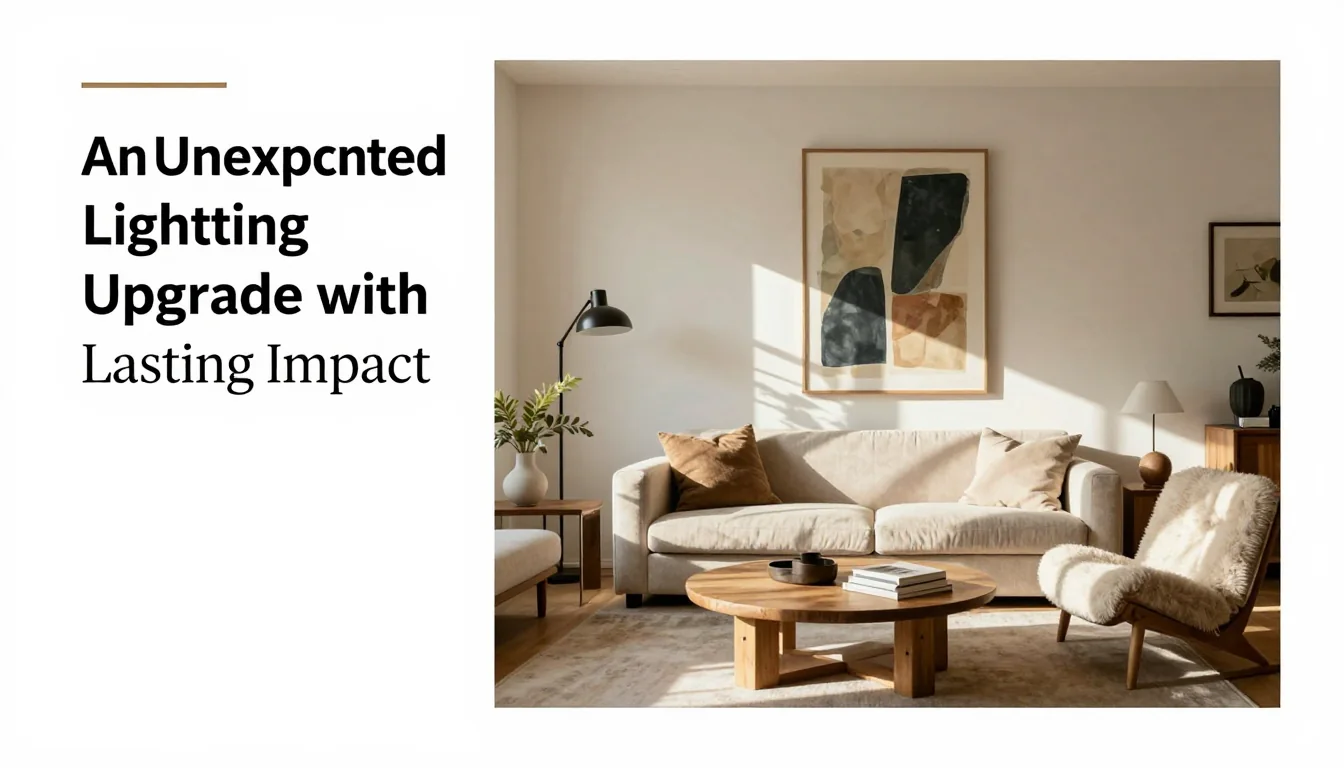
Defining Function: Strategic Task Lighting
Task lighting is the practical necessity that allows inhabitants to perform activities comfortably without relying on overwhelming general glare. It defines functional zones and should be positioned precisely for its intended use. For a dedicated reading nook, place an adjustable floor or table lamp so the light source is roughly 40 inches from the seated eye level; this height provides focused illumination without casting excessive shadow onto the page.
In kitchens, task lighting is critical for safety and efficiency. Rather than relying solely on overhead downlights, install under-cabinet strip lighting (ideally 24-30 inch runs). This eliminates shadows cast by the user’s body when working at a counter, which is a primary functional failure of poor kitchen design. The trade-off here is often between bright white light (for precise task work) and warmer light (for aesthetic appeal during entertaining); using two separate CCT settings may be necessary.
Sconces near entryways or powder rooms serve as localized task lighting, providing immediate visibility upon entering. When installing these, ensure the fixture's beam spread is directed downward onto the landing area rather than diffusing broadly into the main hallway. This focused approach provides utility while maintaining a sense of controlled drama.
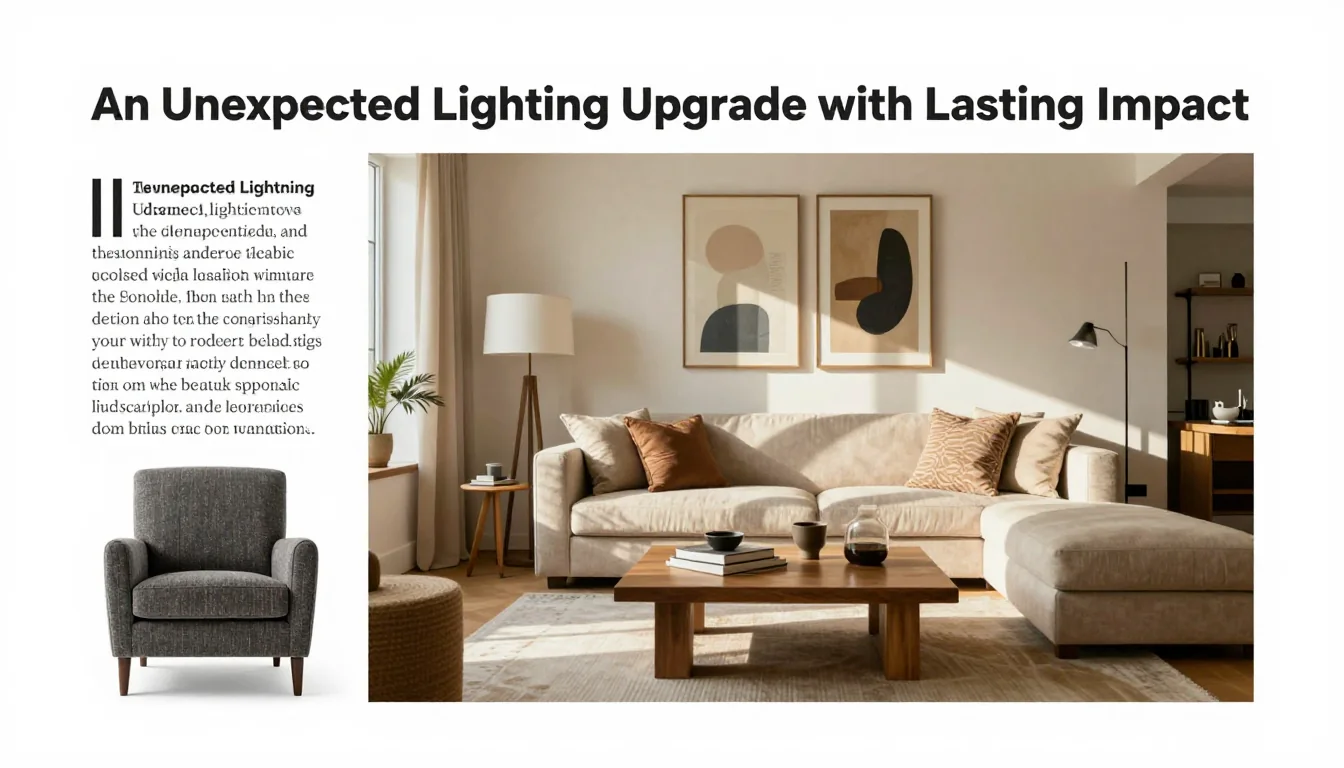
Crafting Atmosphere: Accent Light and Color Temperature
Accent lighting is where design meets emotion, serving to draw attention to architectural features, textured walls, or curated artwork. This light should be directional—think track lights aimed at a piece of sculpture or narrow-beam picture lights above a gallery wall. The purpose of this focused illumination is not just to reveal objects but to create contrast; the interplay between intense pools of brightness and surrounding shadows gives the room its essential emotional texture.
The most impactful element in controlling atmosphere is Color Correlated Temperature (CCT), measured in Kelvin (K). For spaces meant for relaxation, such as bedrooms and living rooms, select warm light sources, typically 2700K to 3000K. This amber glow mimics traditional incandescent lighting and encourages winding down. For areas demanding focus—such as home offices or workshops—a cooler temperature, 4000K, is more appropriate for alertness and clarity.
A critical design mistake is the uniform application of a single CCT throughout an entire dwelling. A sophisticated environment utilizes variation: warm light in the living room transitions to neutral task lighting in the kitchen, and perhaps even slightly brighter ambient light in hallways. By varying the Kelvin temperature across zones, you are functionally signaling to the inhabitant how they should feel when entering that specific space.