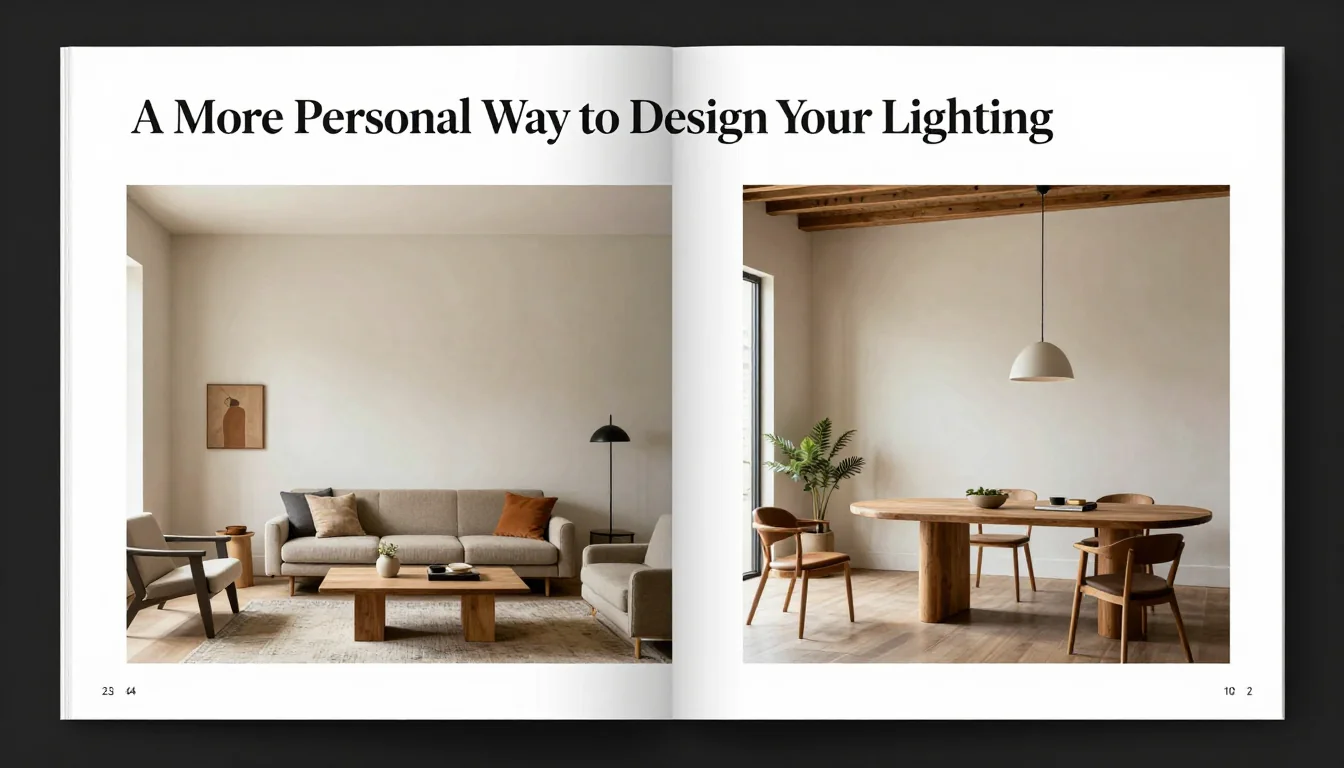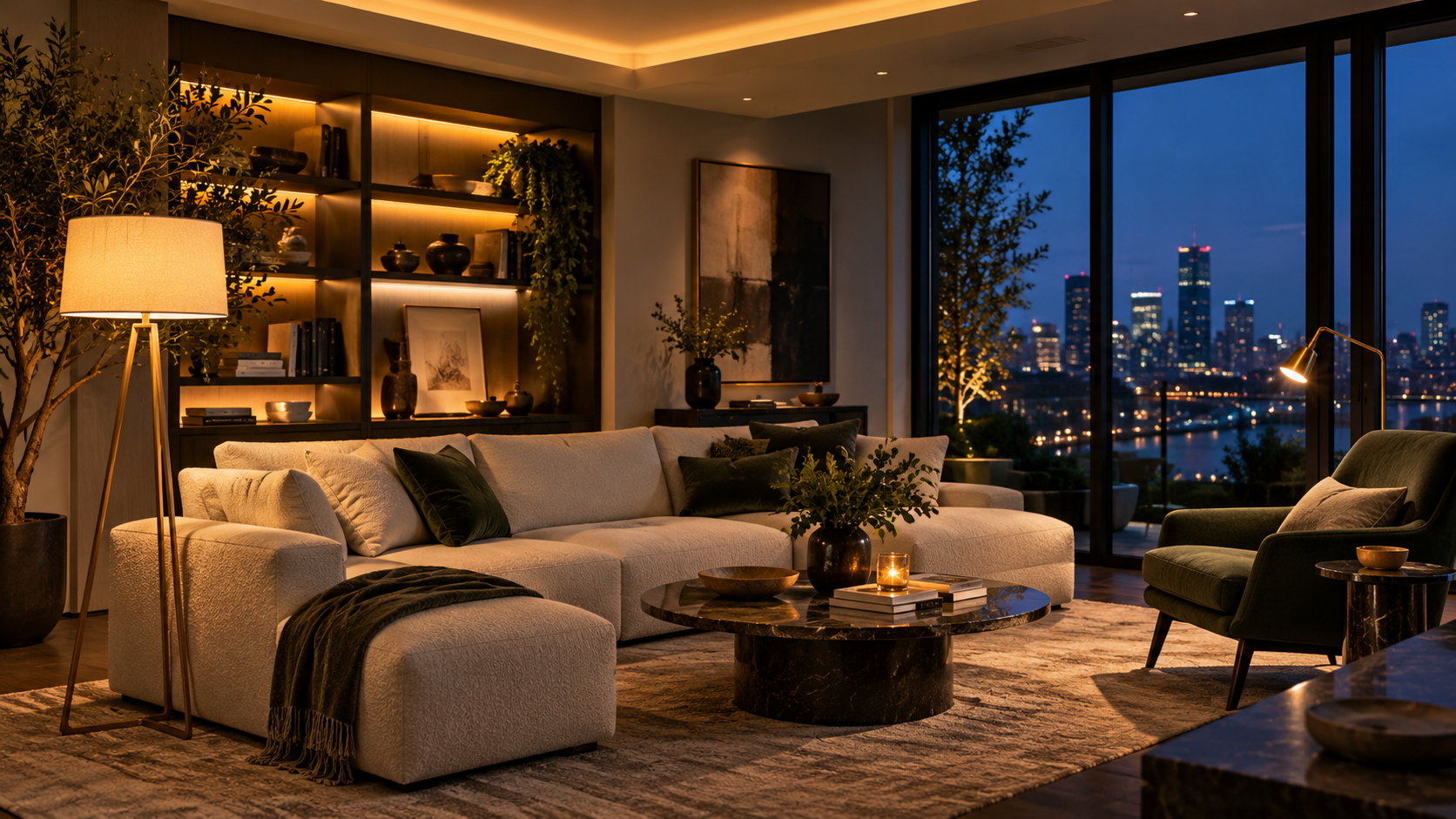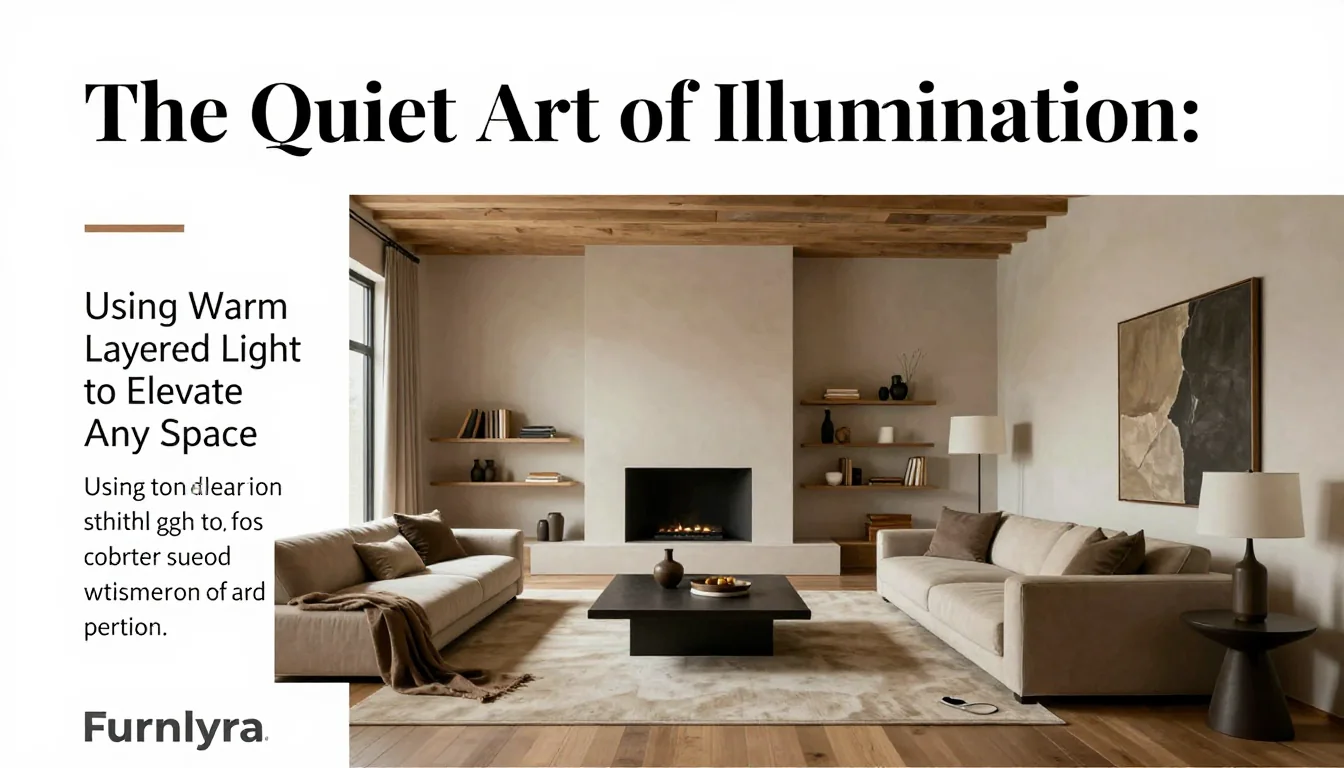
Effective lighting is not merely a decoration; it is an integral piece of architectural functionality that shapes the rhythm of daily life within a space. Rather than aiming for a single, perfectly lit photograph, thoughtful illumination supports routine, enhances mood, and adds depth without cluttering the visual field. The goal is to design light that serves a clear purpose—whether task-specific focus or pervasive ambient ease—allowing the room to feel settled and inviting regardless of the time of day.
The Three Layers: Building Functional Illumination
A well-designed space utilizes three distinct layers of light, each with a specific role. Ambient lighting provides the overall, foundational glow—the general illumination needed to navigate the room safely and comfortably. This is typically achieved through recessed fixtures or diffused ceiling washes. The key here is subtlety; ambient light should be generous enough to prevent shadows from becoming oppressive but soft enough that it never feels like harsh overhead glare.
Task lighting addresses specific activities, providing concentrated light where precision is required—such as reading at a side table, cooking at a counter, or working at a desk. This layer must be highly directional and intense relative to the ambient level. For example, when designing an office nook, a dedicated swing-arm lamp should provide at least 800 lumens directly onto the workspace, ensuring comfortable visual acuity without relying on the general room light.
Accent lighting draws attention to specific architectural or decorative elements—a piece of artwork, a textured wall, or a shelving unit. This layer introduces drama and depth, preventing walls from looking flat. These lights should be focused beams (spotlights) and are generally lower in intensity than task lights, serving primarily to highlight material quality and texture rather than providing usable light.

Scale, Height, and Beam Spread: Selecting Fixtures
The physical scale of a fixture must be proportionate to the room’s volume. A chandelier designed for an expansive dining hall will look disproportionately heavy or small over a modest four-person table. When selecting pendants, consider the clearance height; the bottom of the fixture should generally hang no lower than 30 to 36 inches above the surface it illuminates (e.g., kitchen island or dining table) to ensure unobstructed sightlines and comfortable interaction.
Beam spread dictates where the light travels and how widely it disperses. For general ambient illumination, a wider, more diffused beam is preferable to prevent sharp pools of light that create harsh contrasts. Conversely, accent lighting requires a narrow, focused beam (often 15-20 degrees) to hit a specific point—such as an expensive sculpture or architectural detail—without washing out the surrounding wall area.
A common mistake is relying on one large central fixture to perform all three functions simultaneously. While aesthetically pleasing in some contexts, this approach sacrifices flexibility. The trade-off for centralized drama is often functional limitation; by layering smaller, targeted fixtures (e.g., floor lamps for ambient glow, desk lamps for task), you gain control over the light's intensity and purpose throughout the day.
Calibrating Color Temperature and Quality
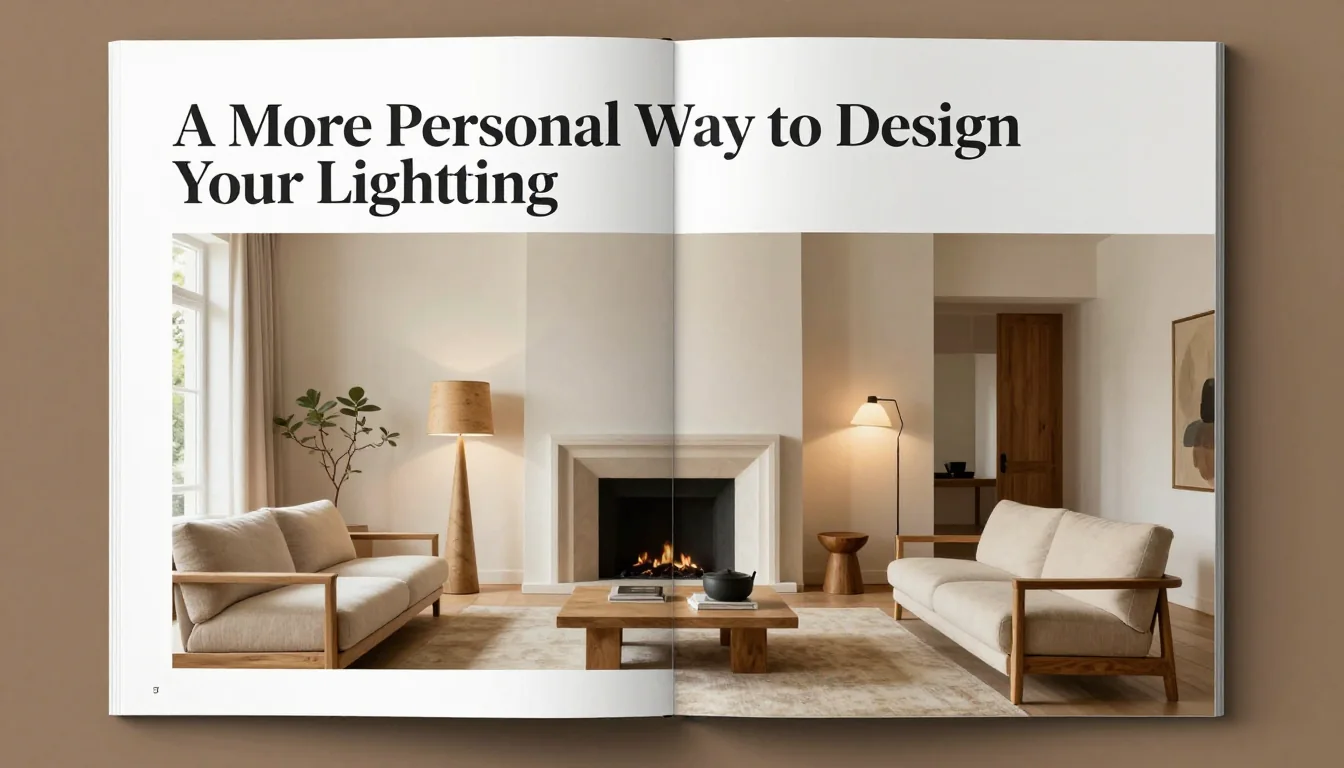
Color temperature, measured in Kelvin (K), determines the perceived 'warmth' or 'coolness' of the light. Lower K values (2700K-3000K) produce a warm, yellow glow that is ideal for living rooms and bedrooms, promoting relaxation and intimacy. Higher K values (4000K-5000K) create a crisp, blue-white light best suited for kitchens, bathrooms, or home offices, where alertness and accurate color perception are necessary.
When choosing bulbs, consider the Color Rendering Index (CRI). CRI measures how accurately a light source reveals true colors compared to natural daylight. For spaces where rich colors are important—such as showcasing fine wood grain, artwork, or polished stone—choose fixtures with a high CRI (90+). Using low-CRI bulbs in these contexts will make materials appear dull or washed out, regardless of the fixture's style.
The most sophisticated lighting design incorporates dimming capabilities across all layers. A single light source cannot adapt to shifting activities; therefore, systems should allow users to transition seamlessly from high-intensity 4000K task light during work hours to a soft, low-Kelvin ambient glow in the evening. This adaptability is crucial for ensuring that your lighting supports real life rather than dictating it.