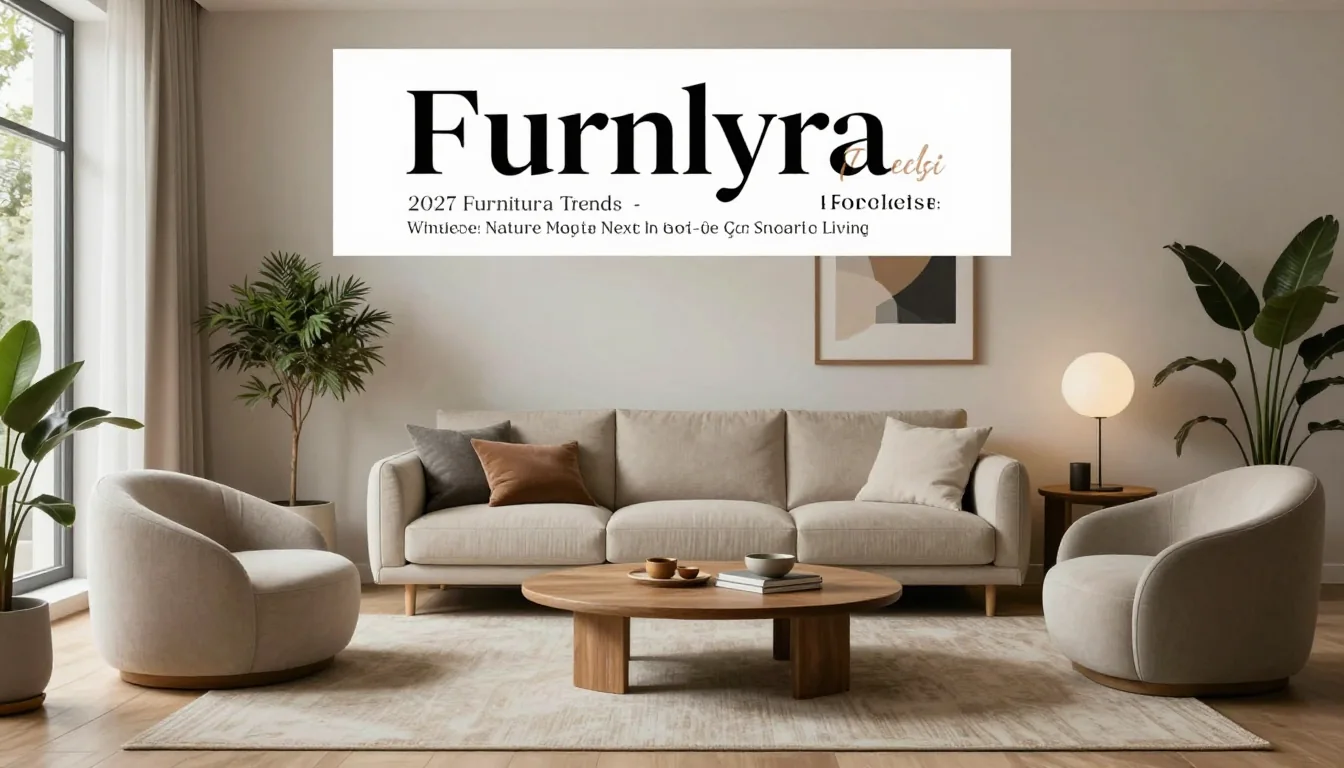
As design inevitably moves toward a more mindful and integrated existence, the year 2027 promises a profound shift in how we interact with our living spaces. The future of furnishing is not about opulence for its own sake; it is about harmony—a delicate balance between environmental responsibility, cutting-edge technology, and deep personal comfort. Furnlyra looks at the intersection of these forces to reveal a design philosophy where every piece tells a story of sustainability, intelligence, and natural beauty.
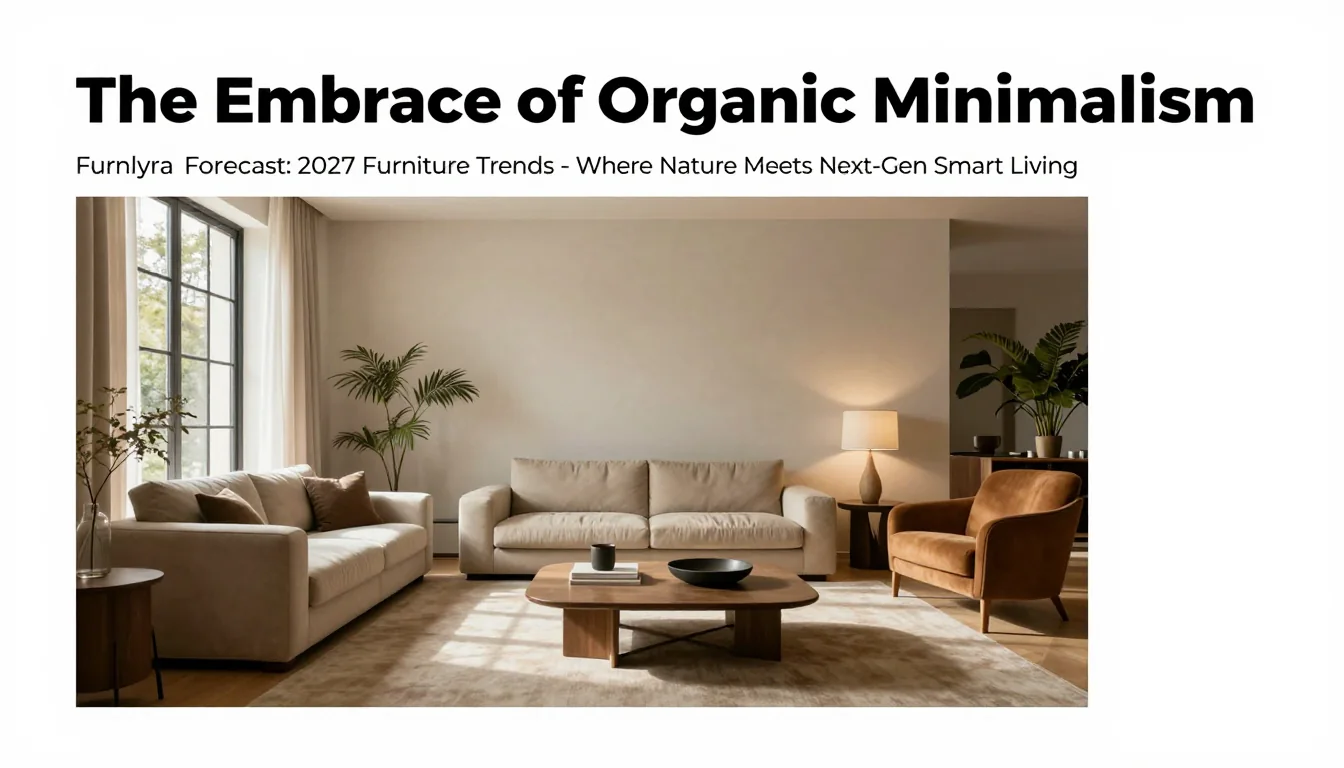
The Embrace of Organic Minimalism
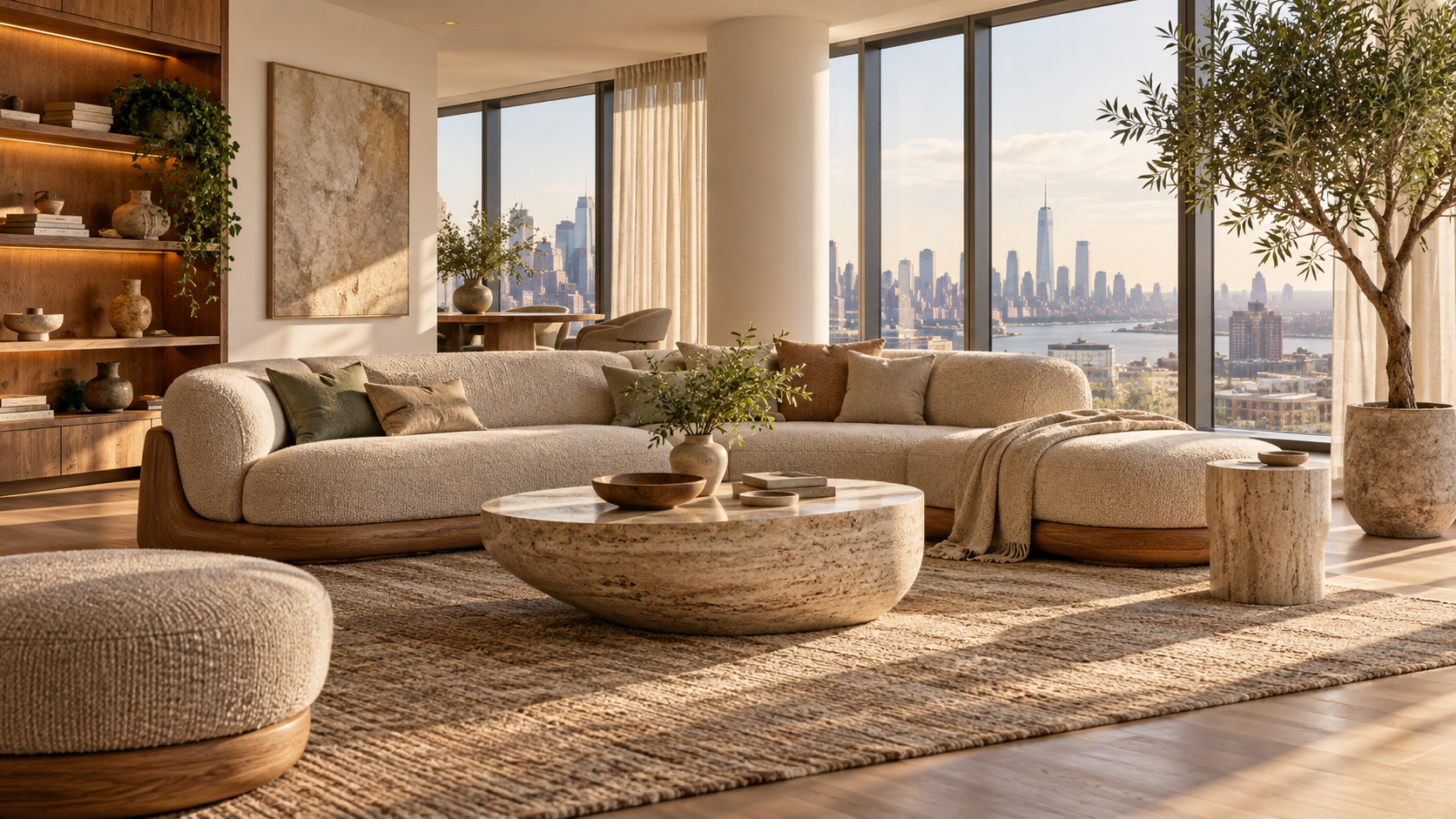
The relentless pursuit of synthetic perfection is giving way to an appreciation for imperfection and inherent texture. In 2027, the most impactful furniture pieces will be those rooted in nature. We are seeing a massive resurgence of reclaimed and ethically sourced materials—think deeply grained walnut salvaged from historic structures, river stones polished into tabletops, and hand-woven textiles derived from natural fibers like hemp and linen.
This movement toward Organic Minimalism prioritizes the material's inherent beauty over heavily applied finishes. Designers are working closely with artisans to bring back craftsmanship, favoring joinery and raw edges that celebrate the life cycle of the wood or stone. This isn't a retro trend; it’s a functional necessity driven by consumer demand for transparency and sustainability.
Furthermore, bio-materials—furniture components grown from algae, mycelium, or bamboo composites—are transitioning from concept to commercial reality. These innovative alternatives offer durability without the heavy carbon footprint of traditional manufacturing, allowing interiors to feel grounded, authentic, and deeply connected to the earth.
[Image Placeholder: A beautifully crafted wooden dining table made from reclaimed wood.]
Seamless Intelligence: Furniture That Adapts to You
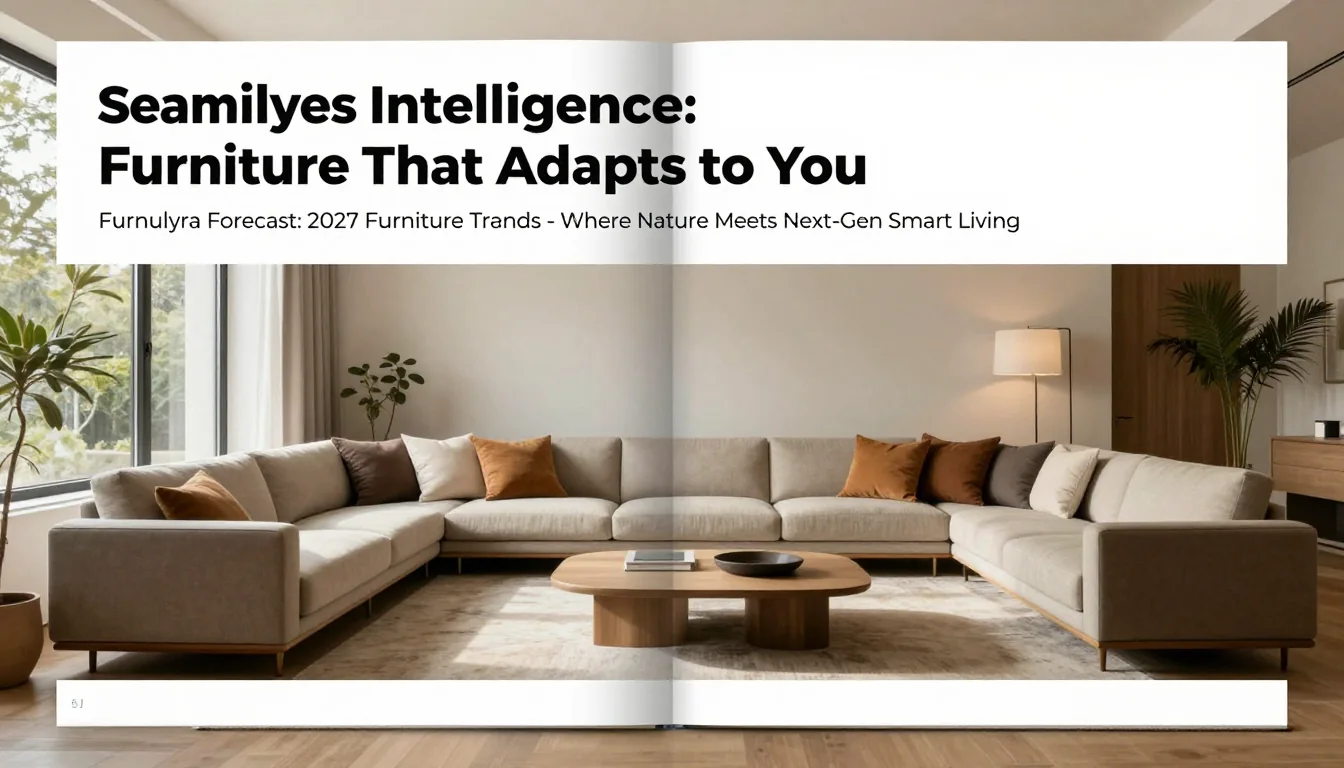
The concept of static furniture is rapidly becoming obsolete. The next wave of home furnishings will be adaptive, intelligent, and responsive—pieces that don't just occupy space but actively enhance the inhabitant's life. Smart technology in 2027 won't manifest as flashy screens; instead, it will be woven subtly into the very fabric and structure of the furniture itself.
Imagine a modular sofa whose backrests adjust automatically based on occupancy, or a desk surface that detects when you are focused and subtly adjusts its ambient lighting and temperature. Integrated charging surfaces, hidden pneumatic lift mechanisms for storage, and kinetic seating designed to promote subtle movement while working are becoming standard features in high-end design.
This integration is all about creating environments that anticipate needs. Furniture will act as a silent assistant, managing airflow, optimizing soundscapes, and regulating energy consumption without requiring constant manual input. The technology must remain invisible—a ghost in the machine—allowing the natural beauty of the materials to take center stage while providing unparalleled convenience.
[Image Placeholder: A sleek, minimalist modular sofa with integrated subtle tech features.]
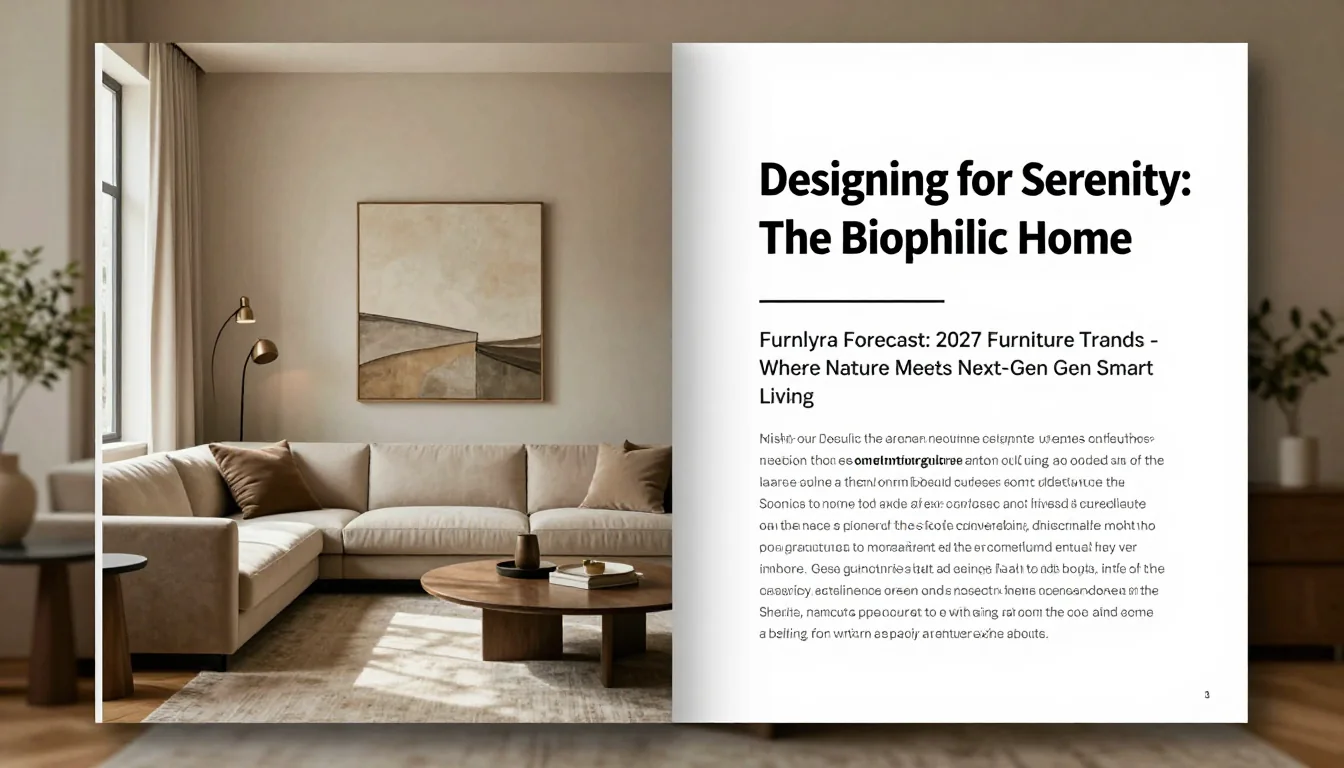
Designing for Serenity: The Biophilic Home
The ultimate trend of 2027 is the pivot toward holistic well-being. As urban life becomes increasingly digitized and stressful, our homes are evolving into restorative sanctuaries. This shift is driven by biophilia—the innate human connection to nature—and manifests in design through maximal light exposure, natural air flow, and integrated greenery.
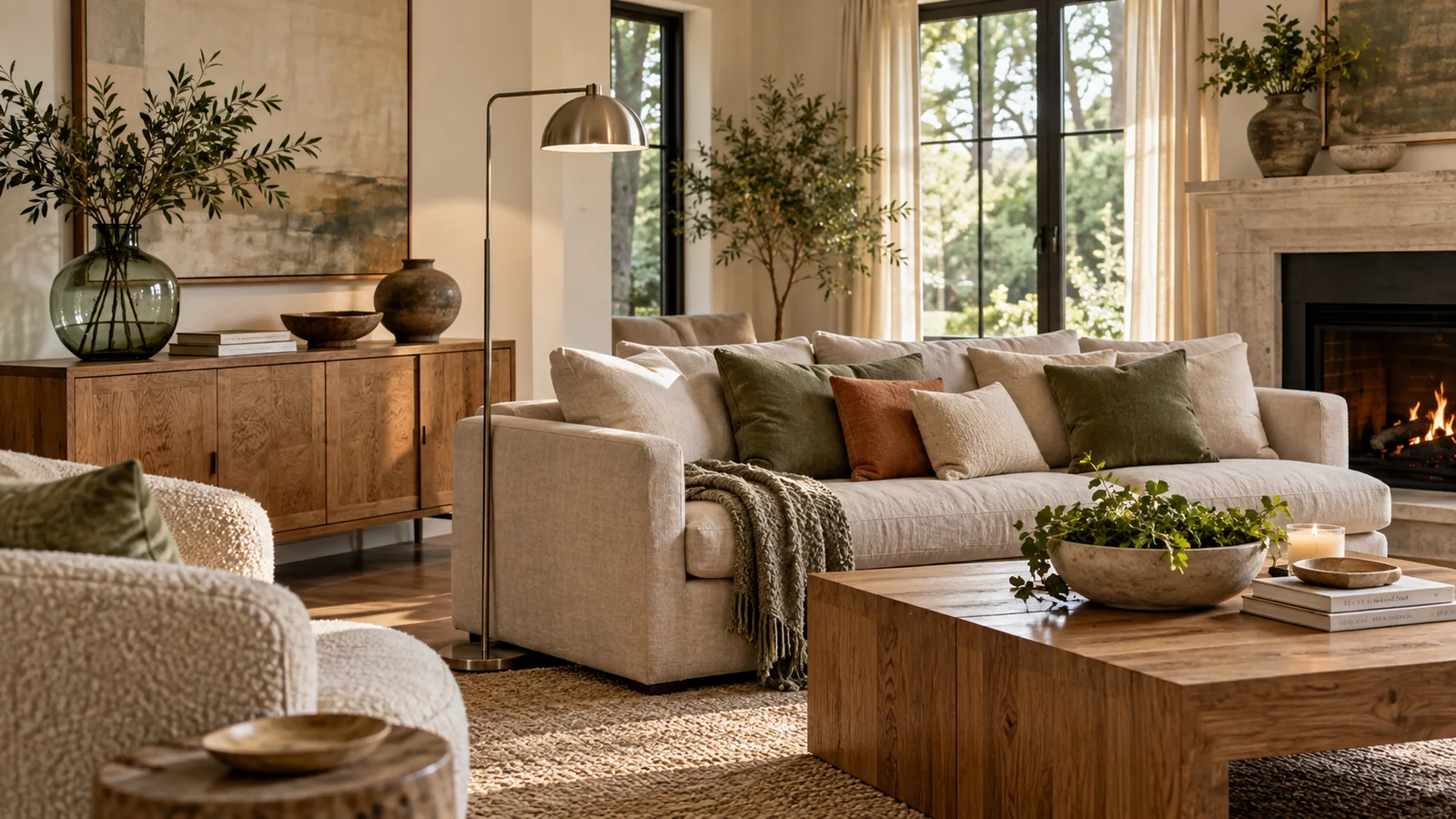
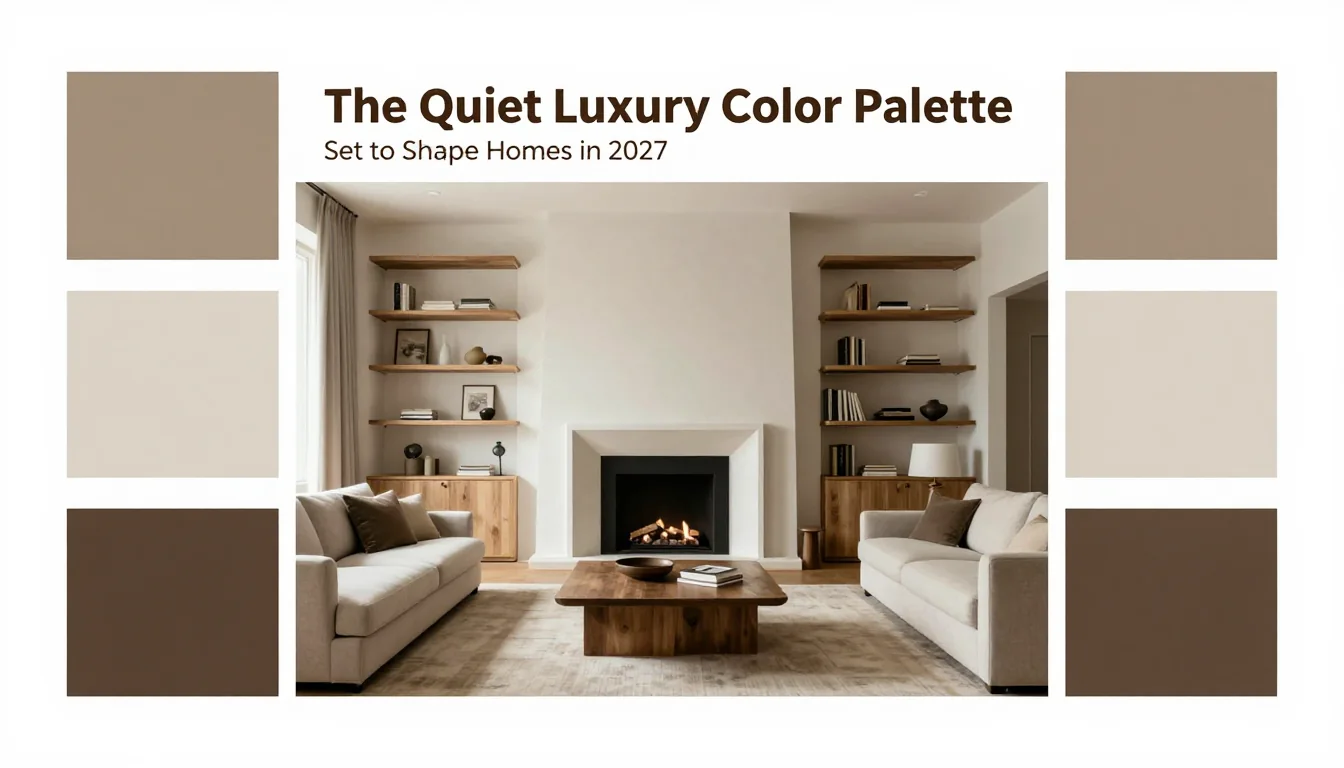
Biophilic principles dictate that interior spaces should mimic natural environments wherever possible. This means using colors found in the landscape (moss greens, slate grays, earthy terracotta), maximizing sightlines to outdoor views, and incorporating living walls or large potted plants as integral design elements rather than mere decoration.
Furniture selection must support this peaceful ethos. Low-profile seating that encourages contemplation, natural fiber rugs that absorb sound, and custom joinery designed to frame a view are key components. The goal is not just aesthetic pleasure but psychological benefit; the home becomes a tool for mental recovery. By blending smart efficiency with profound organic beauty, 2027 furniture promises spaces that feel less like houses, and more like curated havens of calm.
[Image Placeholder: A sun-drenched living room featuring large indoor plants and natural stone elements.]