True luxury in interior design is rarely loud; it whispers. It resides not in the flashiest feature or the most aggressive trend, but in the profound satisfaction of perfect proportion, the gentle diffusion of light, and the quality of materials under the touch. The modern bathroom holds immense potential—it should serve as an intimate sanctuary, a private space where daily rituals are elevated to moments of calm contemplation. Designing such a retreat demands moving past mere aesthetics; it requires a holistic consideration of how scale contributes to emotional well-being, how light falls throughout the day, and how textures engage the senses. This approach is one of intentional restraint: understanding that less can be profoundly more, transforming a necessary stop into a cherished part of life lived within.
Mastering Scale and Spatial Flow
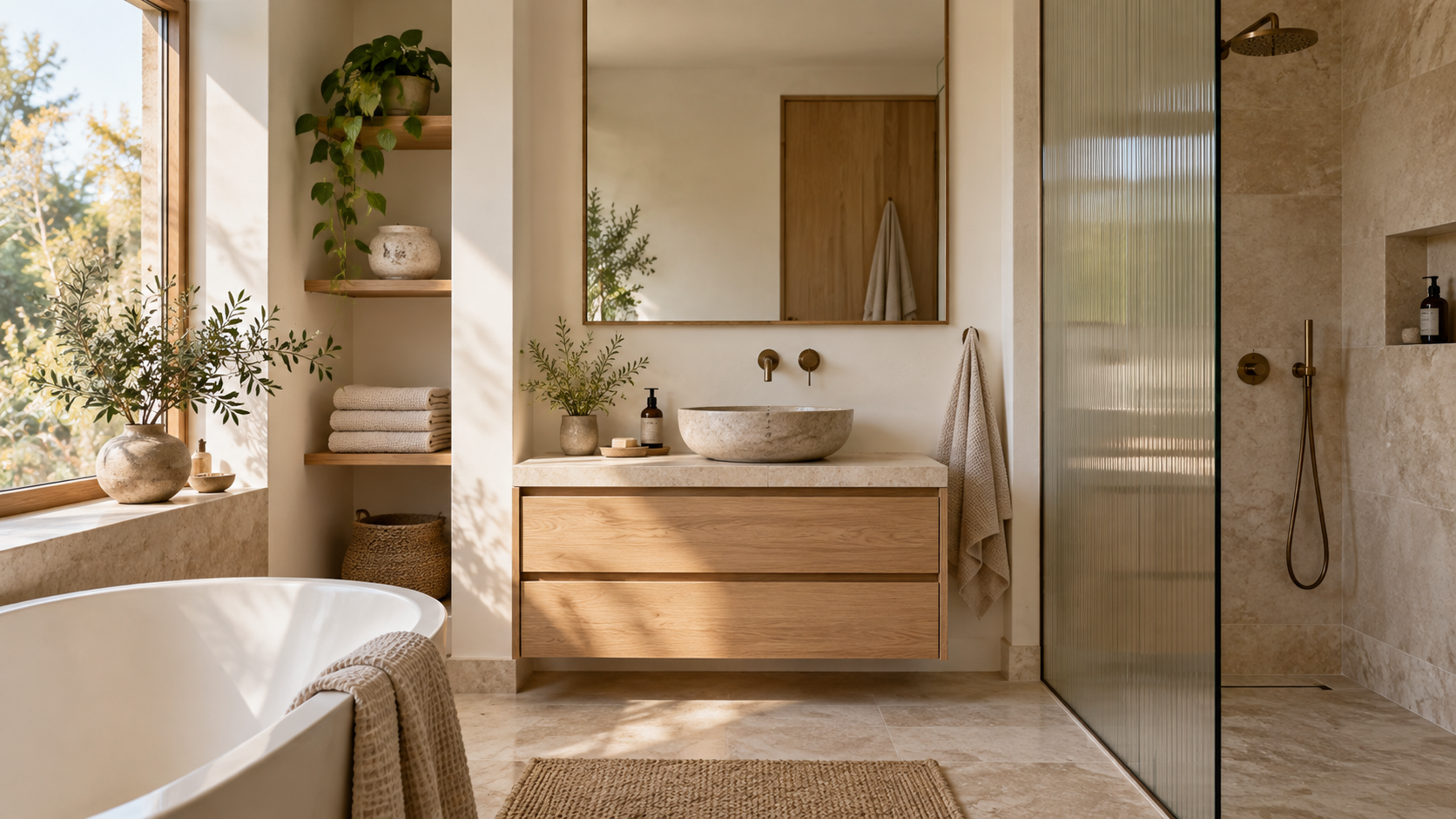
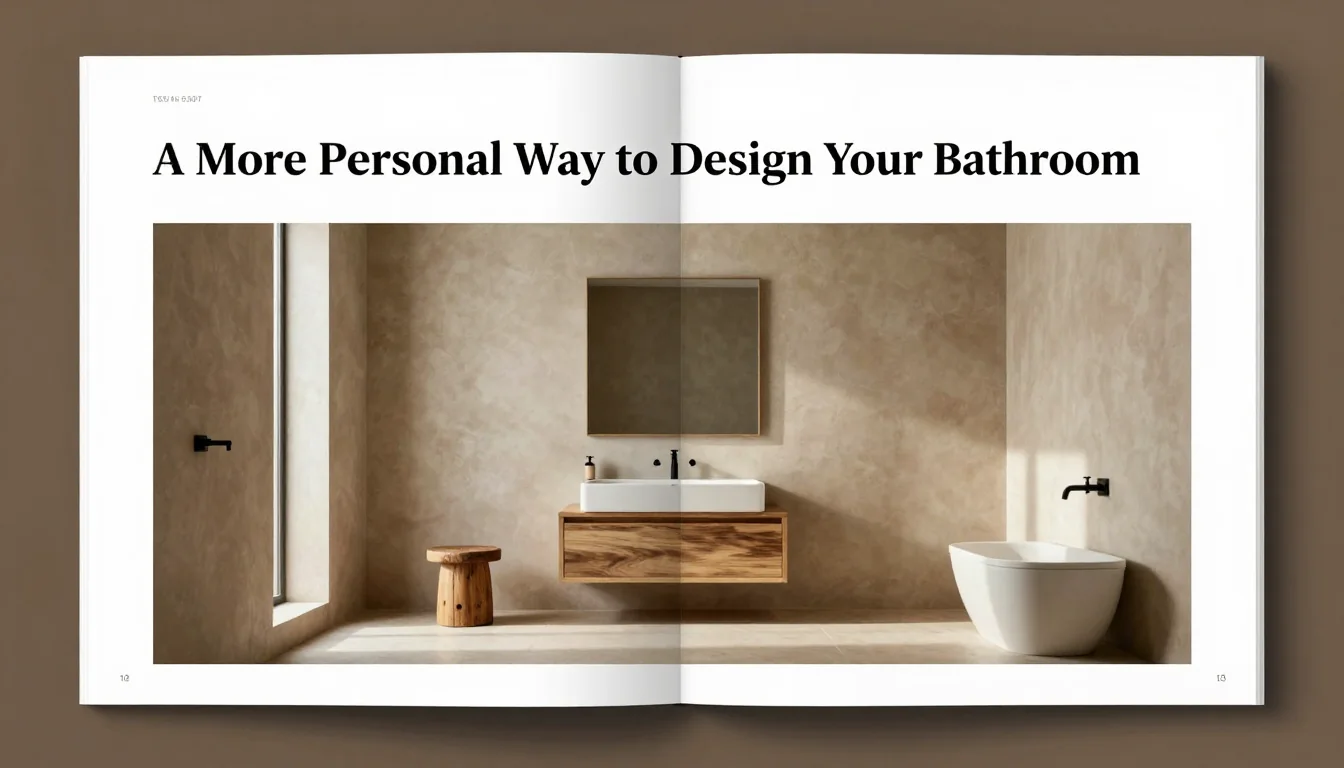
Achieving quiet sophistication begins with establishing an intentional sense of scale. Instead of opting for numerous small fixtures, anchor the room with oversized elements that lend effortless grandeur. Consider a deep soaking tub, ideally measuring around 60 x 30 inches, which provides both function and visual weight. Similarly, large-format tiles—such as 24x48 inch porcelain or honed limestone—reduce the frequency of grout lines, creating uninterrupted expanses that make the room feel cohesive and expansive. The key is to use size not just structurally, but emotionally, preventing any space from feeling cramped or busy.
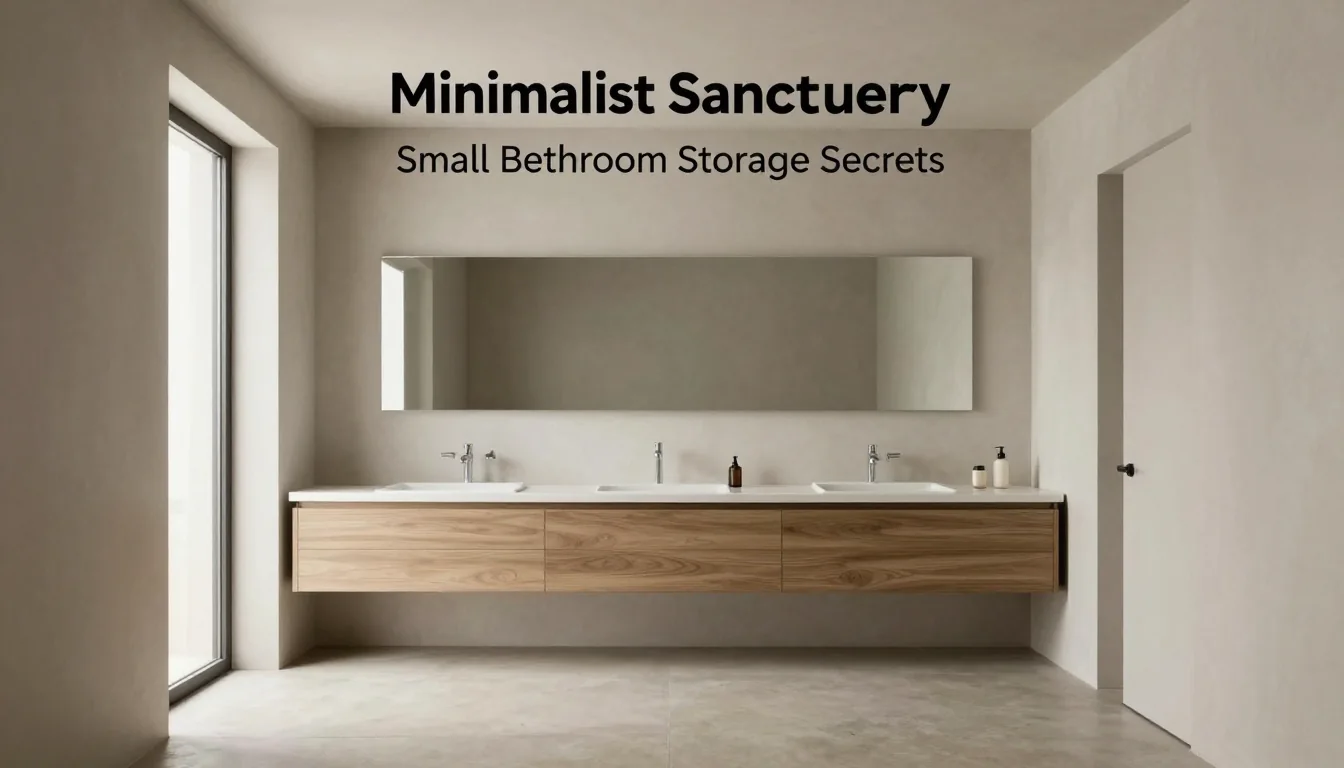
Equally vital to scale is the strategic management of negative space. Clutter is the antithesis of a tranquil sanctuary; it introduces visual noise and undermines the sense of calm. By allowing substantial open areas—whether framing a free-standing vanity unit or surrounding the shower enclosure—the design allows the eye to rest. If you are designing a smaller powder room, resist the urge to fill every surface. A clear countertop area, even if only 30 inches wide, provides necessary visual breathing room and elevates the perceived quality of the space.
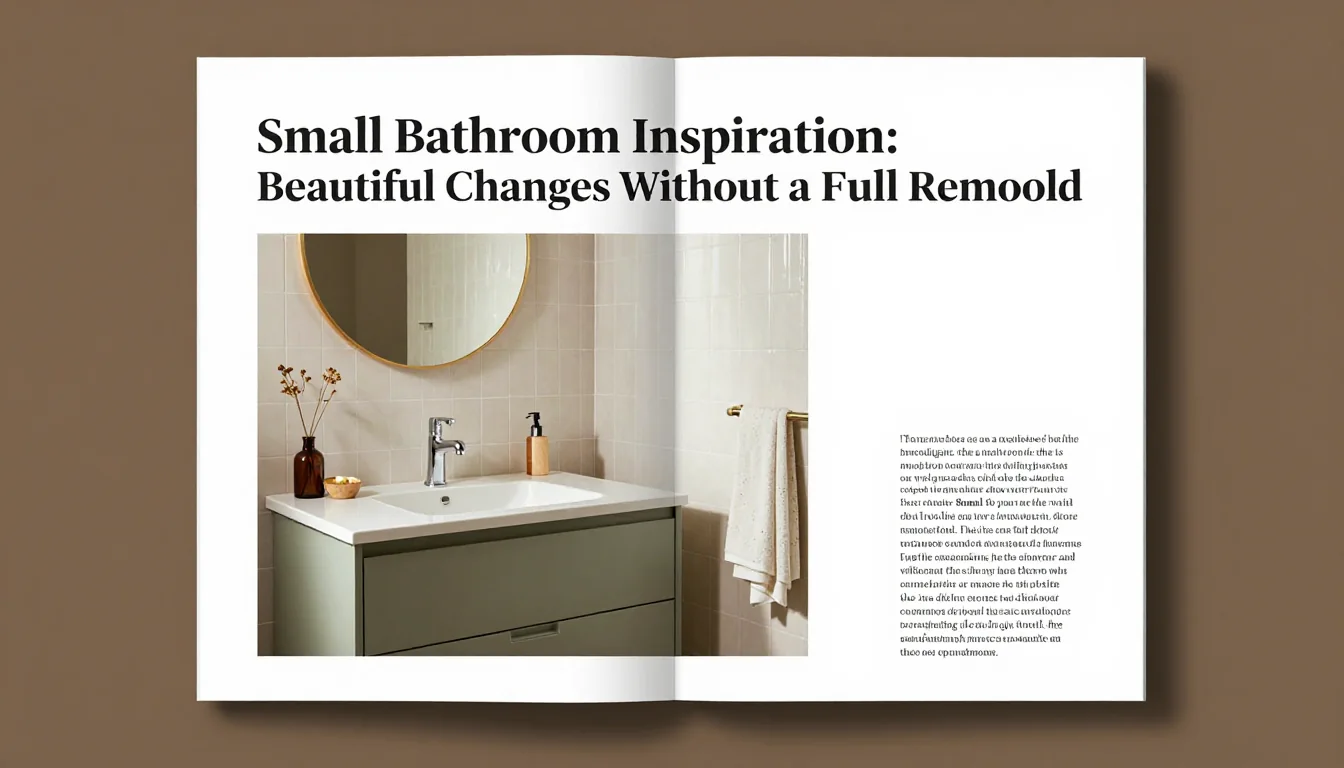
A common mistake is overcompensating for small rooms by introducing too many disparate materials or patterns. The trade-off here is complexity versus coherence. If your bathroom footprint is constrained (e.g., under 50 square feet), opt for uniformity in flooring and wall tile, allowing a single element—like a custom vanity with rich wood grain or a singular piece of art—to introduce visual interest. Ensure that any oversized elements you choose are proportionate to the room's dimensions; an overly large tub in a tight space will feel burdensome rather than luxurious.
The Architecture of Light and Atmosphere
In quiet design, light must be treated as an architectural material, not merely an illumination source. The goal is diffusion; harsh overhead fixtures create glare and visual fatigue. Successful designs layer sources: ambient lighting should wash surfaces in a soft glow, often achieved through strategically placed coves or integrated LED strips hidden within shelving units. When selecting bulbs, opt for a warm color temperature (2700K to 3000K) to mimic natural light and promote relaxation.
Task lighting must be focused yet discreetly elegant. Instead of relying on standard vanity lights with exposed bulbs, integrate slim LED strips beneath the mirror frame or within the cabinetry itself. For areas requiring more vertical illumination—such as beside a freestanding sink—use slender sconces mounted to the wall. These fixtures should cast light both up and down, minimizing shadows that can make a space feel clinical. The placement of these lights is crucial; they should define functional zones without dominating the visual field.
The material choices surrounding the light source impact its quality significantly. Pairing polished metals with matte surfaces prevents reflections from becoming distracting glare points. For example, if you use brushed brass fixtures, ensure that the wall tiles are honed stone rather than high-gloss porcelain. A trade-off to consider is brightness versus mood; while powerful lighting offers functional clarity, reducing overall lumens in favor of softer diffusion creates a more intimate and restful atmosphere—the hallmark of a true sanctuary.
Curating Tactile Depth Through Materiality
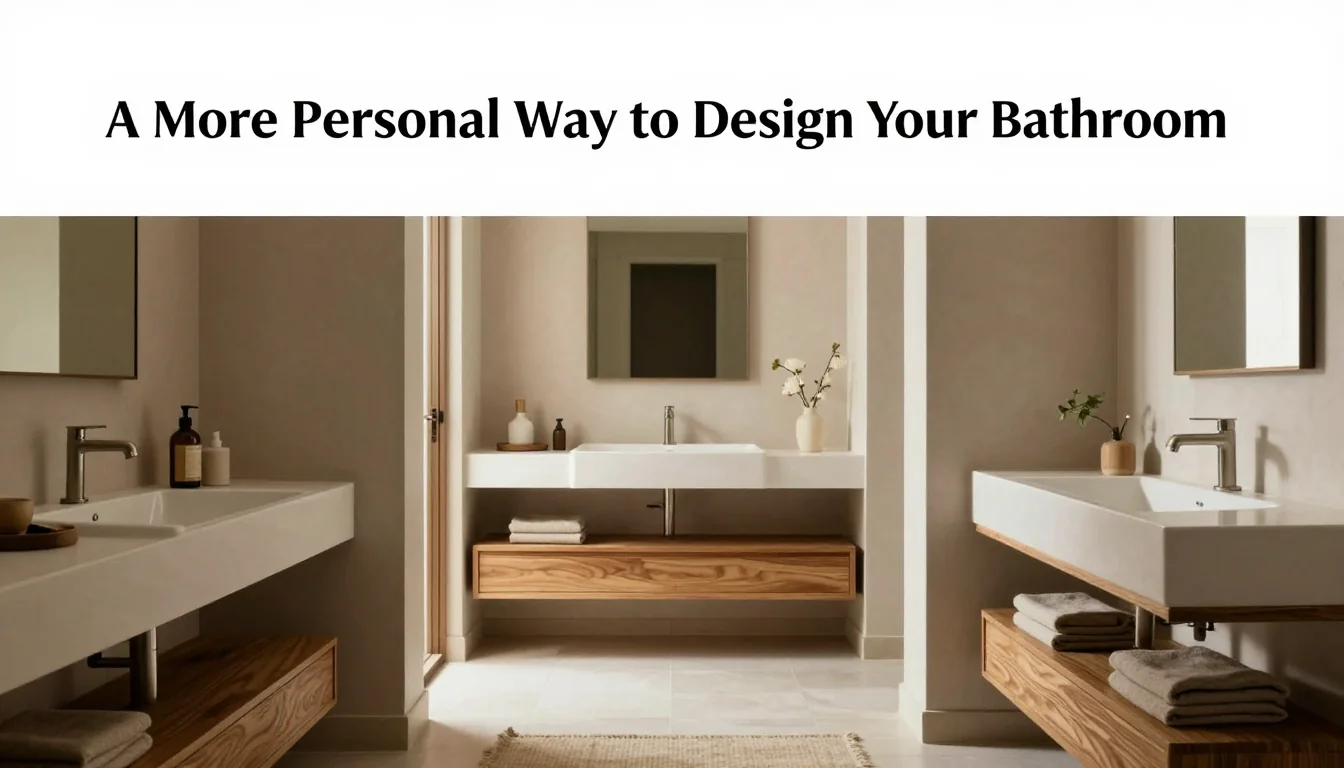
Quiet luxury thrives on materials that invite touch. This means moving away from high-gloss chrome wherever possible, favoring matte ceramic fixtures, brushed metals (such as satin brass or blackened steel), and honed natural stone. When selecting stone for countertops or flooring, resist the urge to choose dramatically veined marble; instead, look for consistent textures—creamy travertine, cool limestone, or subtle slate mottling. These materials possess an inherent earthiness and permanence that resists fleeting trends.
Integrating wood must be done thoughtfully in a moisture-prone environment. If incorporating timber (e.g., vanity cladding or bath caddy), ensure it is finished with a durable, water-resistant sealant appropriate for the specific species. Always patch-test any finishing products on an inconspicuous area first to check for discoloration or reactivity. The richness of the wood should complement the coolness of the stone; pairing warm walnut tones against cool grey limestone creates a balanced sensory dialogue.
Beyond surface materials, consider hardware and fixtures as sculptural elements. Replace standard chrome taps with matte black levers or brushed nickel handles. These subtle shifts in finish add depth without adding visual noise. A practical consideration is maintenance: honed stones require minimal sealing but are more susceptible to staining than polished surfaces; ensure regular wiping with pH-neutral cleaners. By focusing on the quality and feel of these permanent elements, you build a space that feels grounded, deliberate, and profoundly personal.
Practical Planning Notes
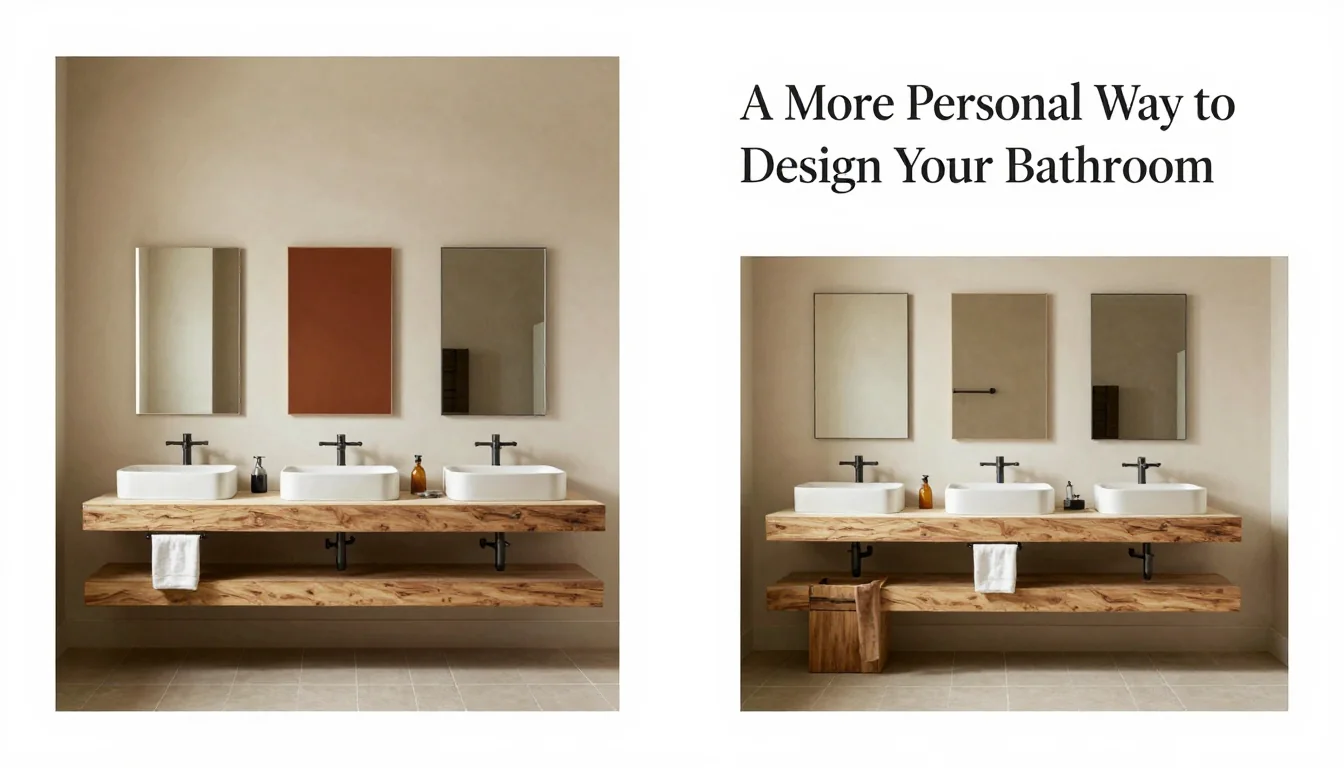
Keep frequently used storage within arm’s reach of the vanity and allow a clear, dry path from shower to towel storage.
Material Perspective
Porcelain is durable and low-maintenance; natural stone is tactile but needs sealing and appropriate cleaners.
Before You Commit
Review ventilation, splash zones, closed storage, and layered lighting at the mirror.
For related, room-specific ideas, continue with the guides in this category or return to the Furnlyra home page.