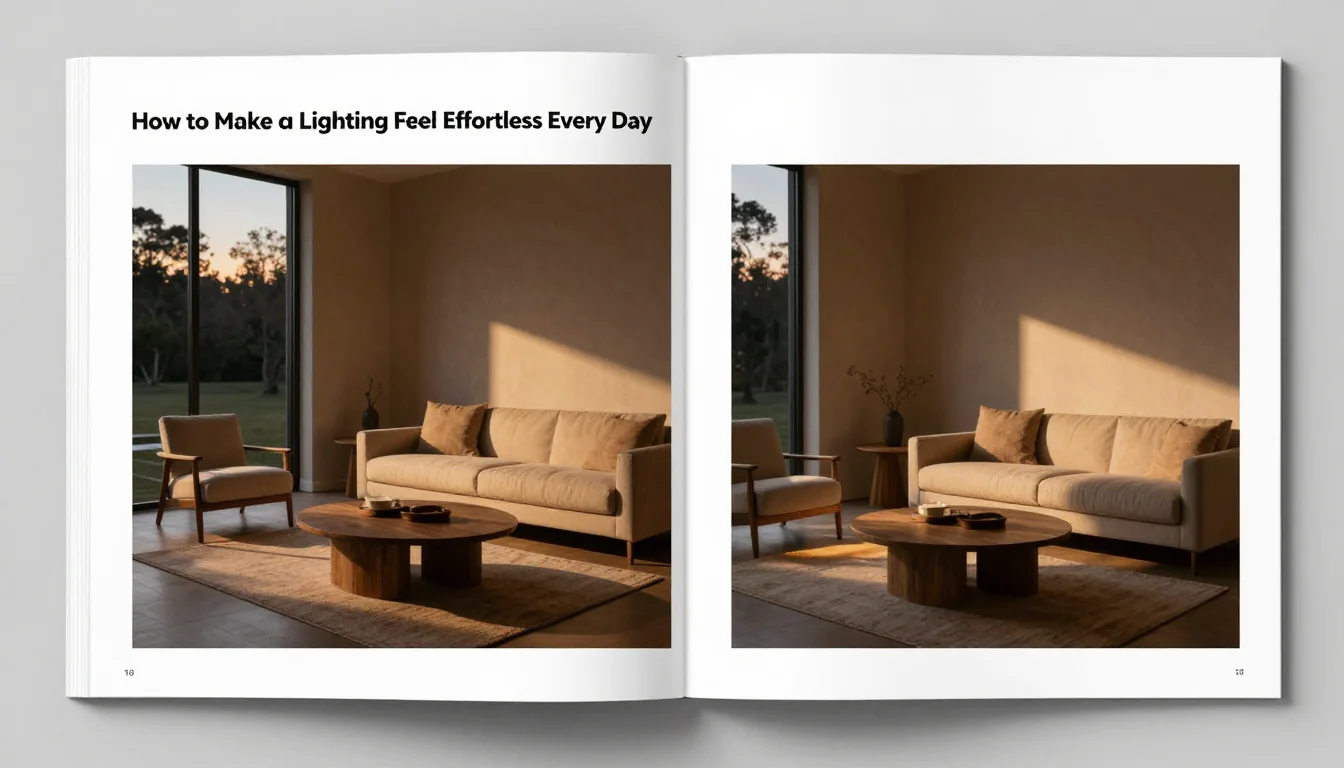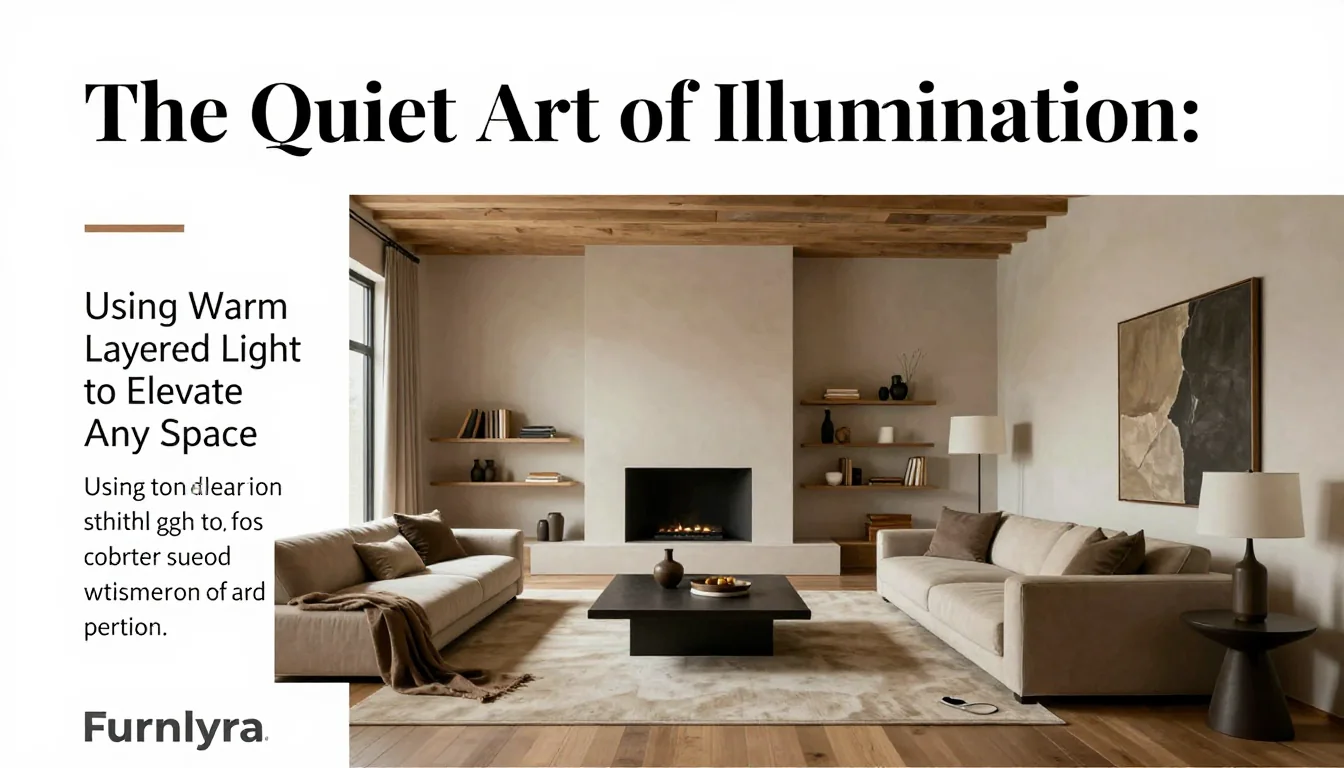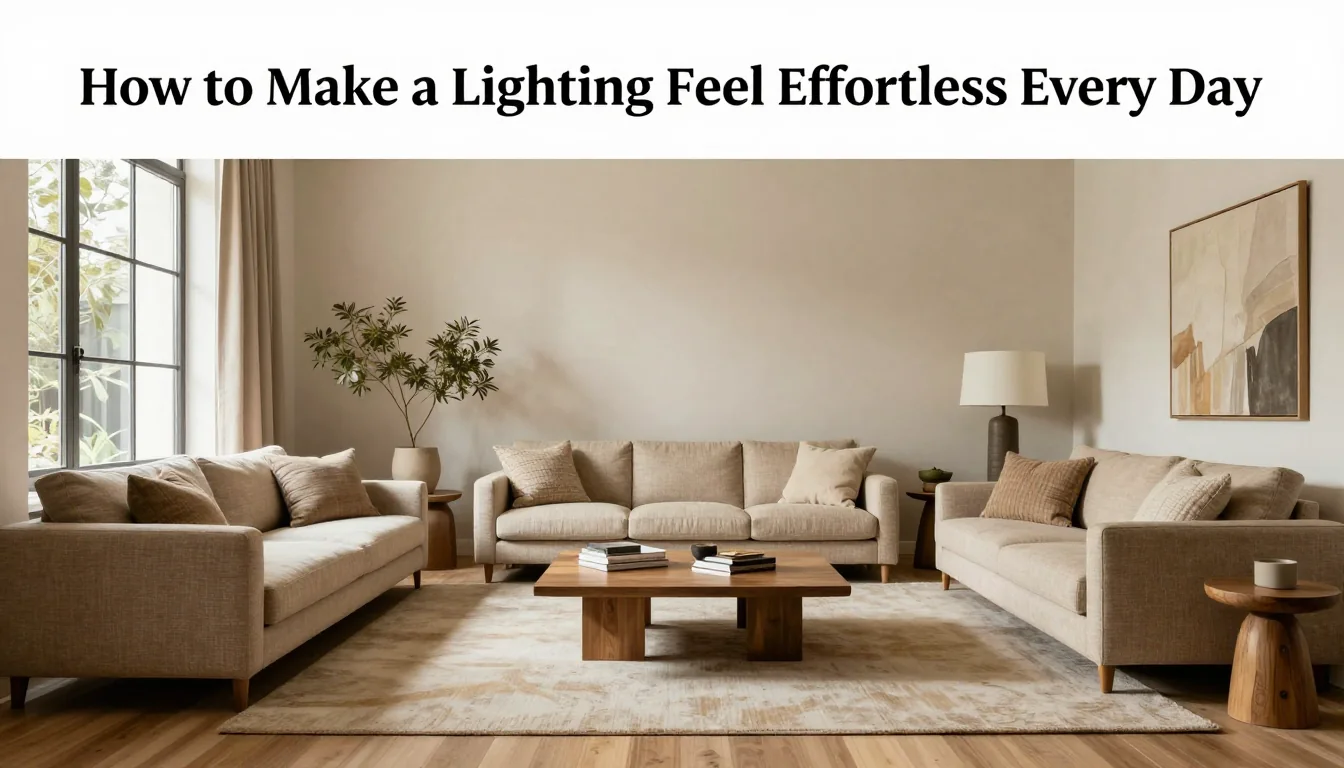
Achieving a home environment that feels effortlessly inviting is less about purchasing statement pieces and more about mastering the subtle science of light. Lighting should not be an afterthought; it must function as the invisible architecture of your space. A well-designed lighting plan supports daily routines, allowing you to navigate from focused morning tasks to relaxed evening contemplation without visual friction. This guide moves past trend cycles to focus on practical deployment—how specific choices in fixture type, temperature, and placement can transform a room into a seamless extension of your life.
Layering Light for Functional Depth
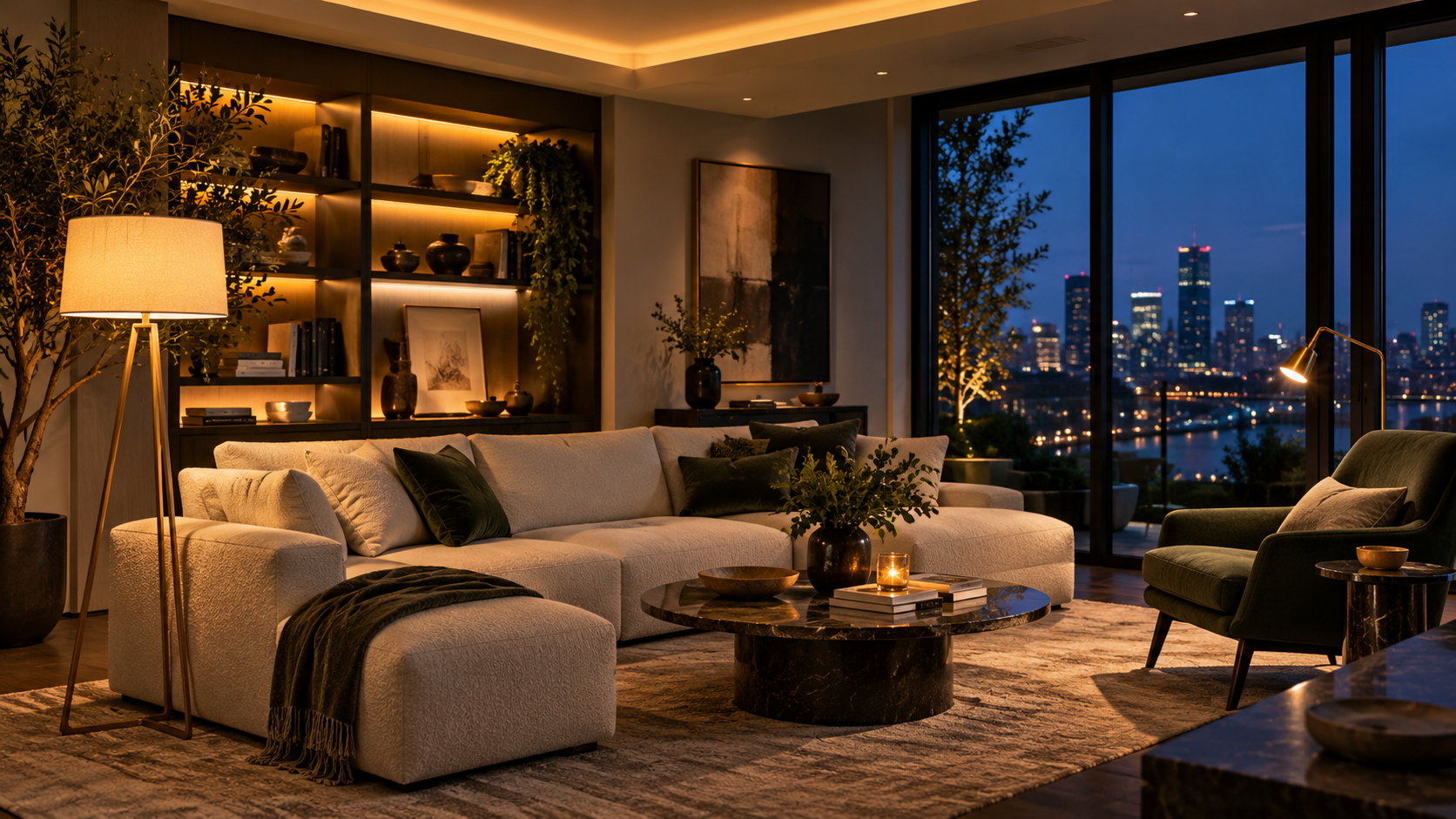
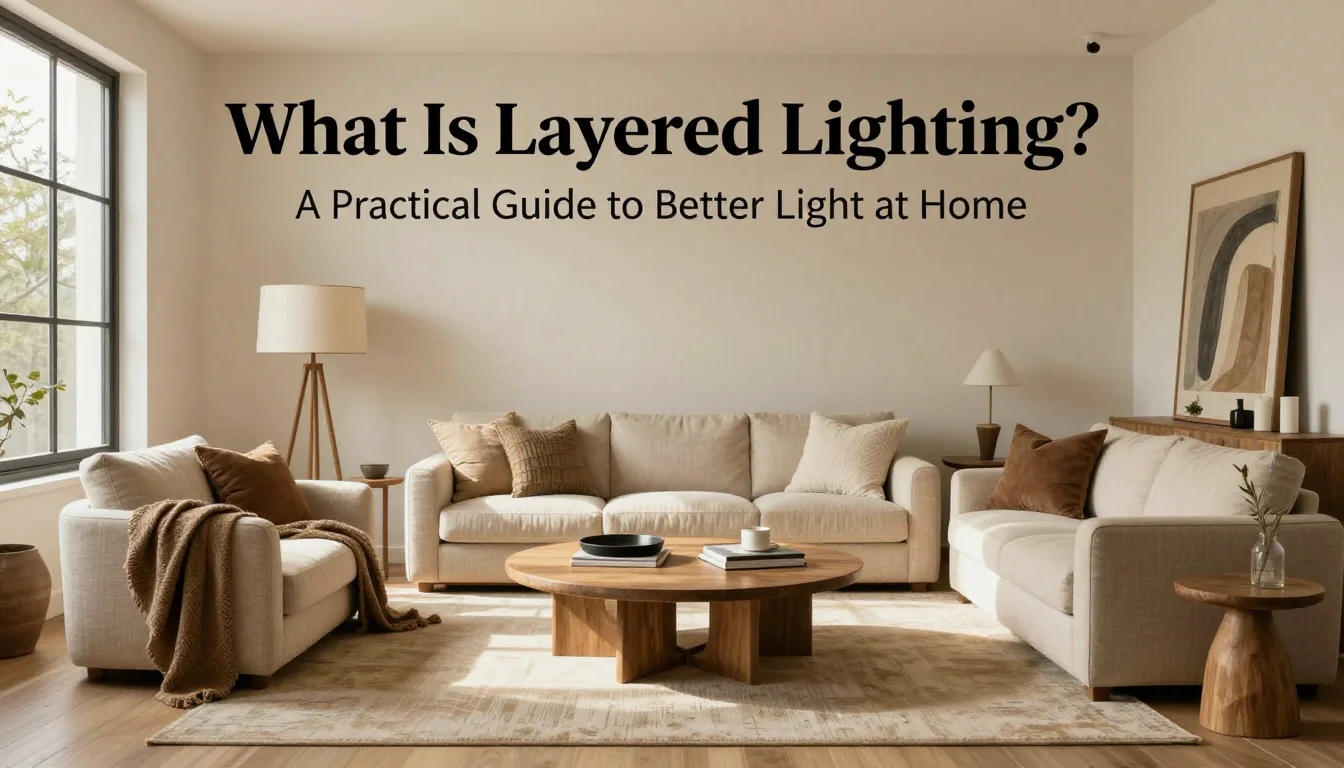
Effective illumination requires moving beyond reliance on a single overhead source. Instead, adopt the principle of layered lighting, combining ambient, task, and accent light sources. Ambient light provides general, comfortable coverage (like recessed ceiling fixtures); this should be diffuse enough to prevent harsh shadows. Task lighting—such as an adjustable desk lamp or under-cabinet strips—provides focused intensity where needed for activities like reading or meal preparation. Accent lighting, typically achieved through picture lights or directional spotlights, draws the eye to specific architectural features or art, adding visual interest without overwhelming the space.
The primary mistake homeowners make is relying solely on high-output general lighting (often a single central fixture), which flattens textures and creates stark contrast. To remedy this, aim for at least three distinct light layers in any main living area. For instance, if using recessed lights as ambient sources, pair them with floor lamps positioned near seating areas (task) and small wall sconces illuminating bookshelves (accent). A good starting ratio might be 50% Ambient, 30% Task, and 20% Accent.
Trade-off consideration: Layering requires more fixtures, which can complicate the initial design. However, the trade-off is worth the enhanced functionality. When selecting accent lighting, ensure the beam spread is narrow (e.g., 15 to 30 degrees) so that the light pool stays contained on the object and does not bleed onto adjacent walls or floor space, which would compromise the feeling of calm.
Mastering Light Temperature and Intensity
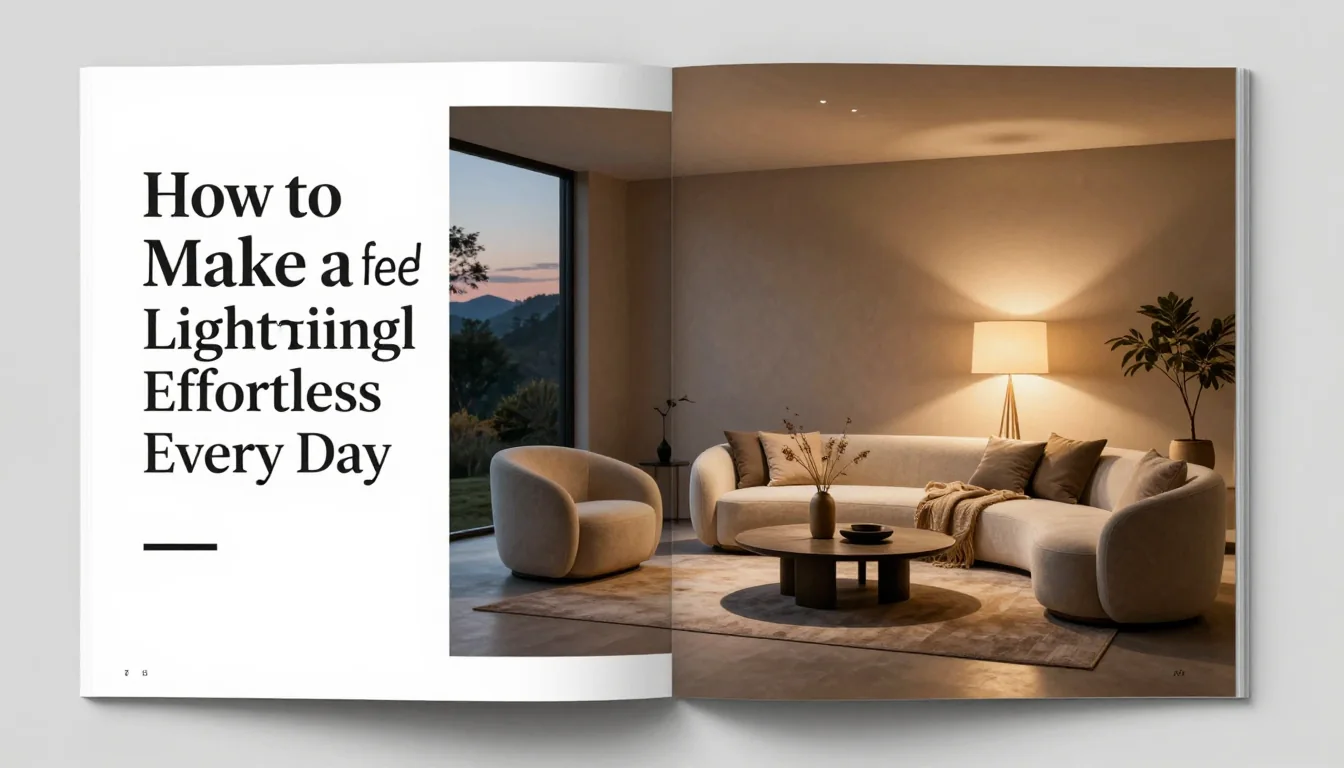
Color temperature, measured in Kelvin (K), dictates the mood of a room. Warm light (2700K to 3000K) mimics traditional incandescent bulbs, promoting relaxation and intimacy—ideal for living rooms or bedrooms in the evening. Cooler light (3500K to 4100K) is more energetic and conducive to focus; this is best suited for kitchens or home offices where tasks require alertness. Using mixed temperatures throughout a single space can feel jarring, so define zones: keep common areas consistently warm while allowing task lighting in work areas to lean cooler.
Intensity, measured in lumens, determines the brightness level required for comfort. Instead of simply maximizing wattage, select bulbs that match the room’s function and size. For example, a narrow hallway might only need 200-300 lumens per fixture, while a large kitchen island requiring detailed prep work may necessitate fixtures delivering 1500+ lumens. Always calculate required foot-candles (lux) for specific tasks; general living spaces require between 10 and 20 lux, whereas serious reading requires 30+ lux.
A common pitfall is choosing permanent, fixed lighting that cannot be adjusted. To counteract this, invest in dimmable fixtures throughout the house. Dimmers allow you to dynamically adjust both the intensity (lumens) and the perceived warmth of the light source over time—a crucial element for achieving 'effortless' atmosphere as daylight fades. This provides flexibility without requiring multiple sets of fixed lighting.
Strategic Placement: Minimizing Visual Clutter
The placement of a fixture should support activity, not just decoration. Never position primary task lights directly above high-contact surfaces like dining tables or work desks without considering glare. Glare—the uncomfortable brightness that forces the eye to squint—is one of the most common failures in home lighting design. For desk lamps, ensure the light source is angled toward the working surface and not directed into the user's eyes.
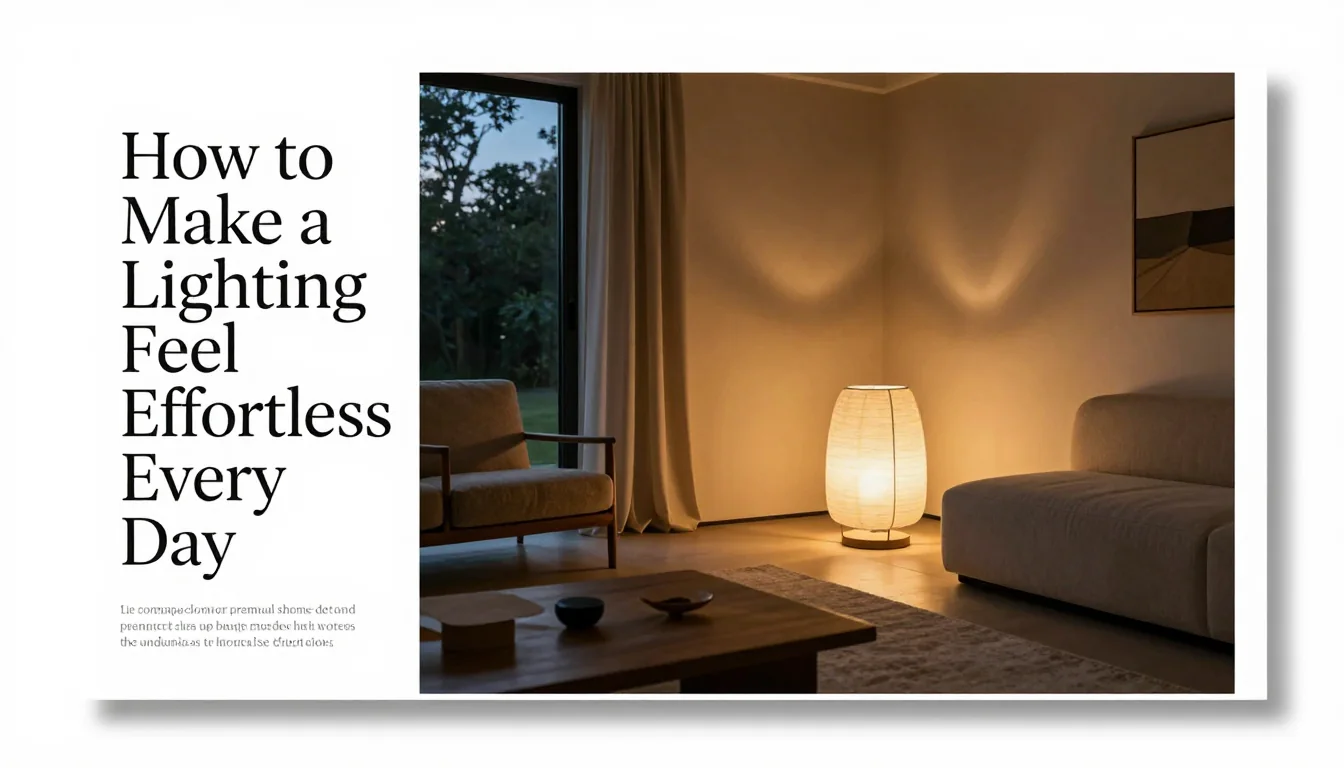
When using floor lamps or table lamps as ambient sources, prioritize height and diffusion. A lamp placed too low can cast distracting shadows on walls or create an uneven pool of light. Aim for a fixture that allows the light to spread widely across the immediate surrounding area (a radius of 1-1.5 meters). Materials like linen shades or frosted glass are excellent choices because they diffuse the light, softening edges and minimizing harshness.
A practical measurement tip involves ceiling fixtures: when installing recessed lighting in a living room, avoid placing them directly over seating areas if possible. Instead, aim to distribute them across the perimeter of the space. If you must place lights near furniture, use adjustable directional spotlights aimed at adjacent walls or plants. This technique provides necessary illumination while allowing the light itself to become part of the texture and atmosphere rather than a direct focal point.