A home’s character is rarely defined by its most dramatic piece of furniture; it is built in the subtle shifts of light. Good design does not simply illuminate a room; it directs focus, sets emotional tone, and supports daily routine. The goal of thoughtful lighting is to create an environment that feels settled and supportive—a setting that remains inviting whether you are working late or relaxing on a Sunday afternoon. Instead of chasing ephemeral trends, we approach illumination as a structural element, treating light sources with the same intention as architectural features.
Layering Light: Ambient, Task, and Accent
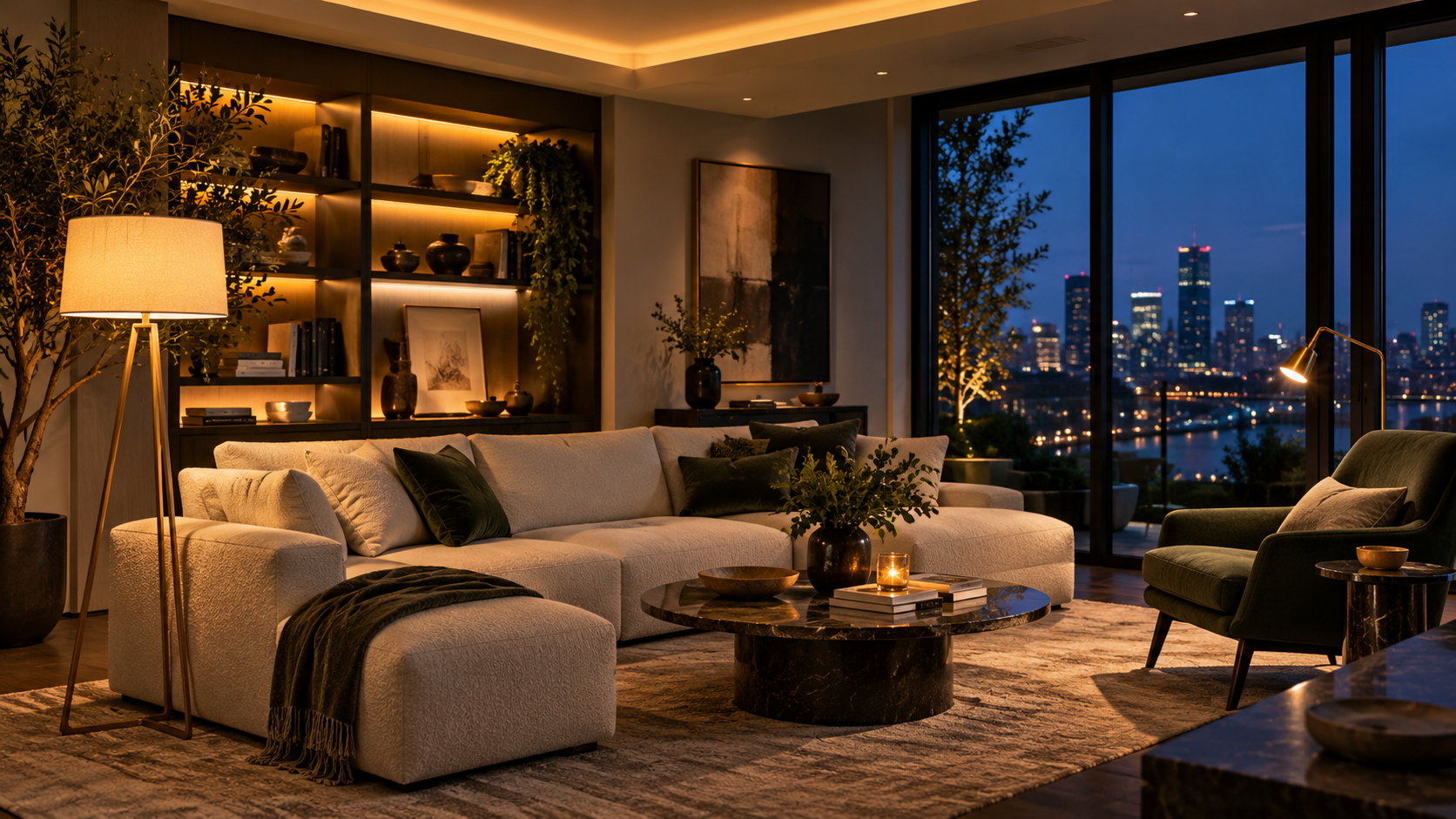
Effective lighting relies on creating distinct layers. The ambient layer provides general illumination—the foundational wash of light that allows you to navigate a space safely. This is typically achieved via recessed downlights or large central fixtures. However, relying solely on overhead ambient light creates harsh shadows and flattens the visual texture of the room. A common mistake is using a single, bright ceiling fixture; this provides uniformity but sacrifices depth. To mitigate this, use multiple smaller sources distributed throughout the space to ensure no area feels isolated in shadow.
The task layer addresses specific functional needs. This light must be directed and powerful enough to perform an activity—reading, cooking, or detailed craftwork. Examples include adjustable desk lamps, under-cabinet strip lighting (ideally 400–500 lux directly over the work surface), or dedicated floor lamps positioned next to a reading chair. When selecting task lighting, consider its proximity: for focused activities like meal preparation, ensure light falls within 18 inches of the countertop to minimize glare and maximize visibility.
The accent layer is used deliberately to draw the eye toward features, adding visual interest and dimension. This involves uplighting architectural details (like cornices), spotlighting artwork, or highlighting a textural element such as a stone fireplace. These fixtures should be subtle; they exist to enhance what is already there, not to overpower it. If an accent light is too bright or improperly aimed, the effect becomes distracting rather than dramatic.
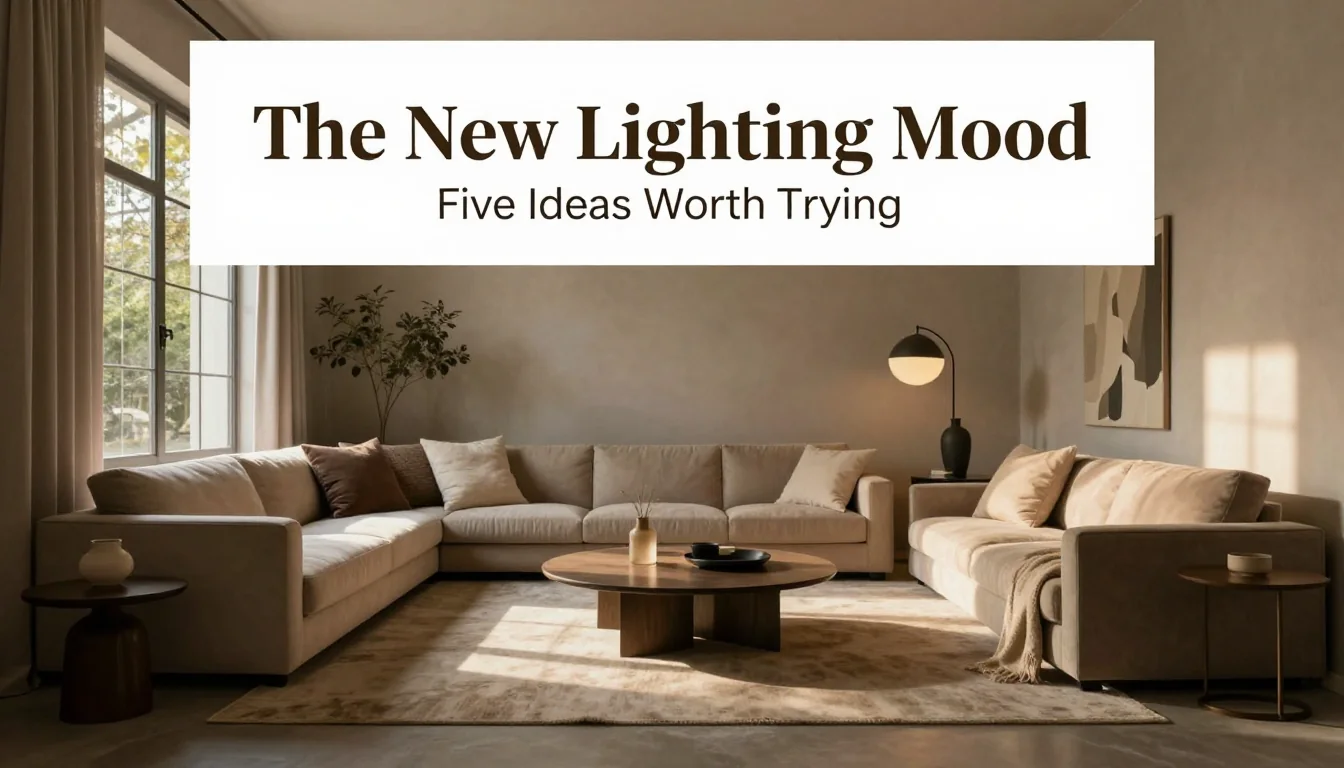
Technical Specification: Selecting Light Quality
When purchasing bulbs and fixtures, move beyond wattage and focus on two critical technical specifications: Color Temperature (measured in Kelvin) and Color Rendering Index (CRI). Color temperature dictates the 'mood' of the light. For restful living areas—bedrooms or lounges—opt for warmer tones between 2700K and 3000K, which mimic traditional incandescent light and promote relaxation. Conversely, kitchen work zones or home offices benefit from cooler, more alert temperatures in the 3500K to 4000K range, as this color spectrum is closer to natural daylight and enhances concentration.
The CRI measures how accurately a light source reveals true colors. A low CRI (below 80) will distort the appearance of materials; for instance, rich wood tones or painted finishes may appear duller or shift in hue under poor lighting. For interiors where material fidelity is important—such as showcasing textiles or displaying art—always choose bulbs with a CRI of 90 or higher. This small investment ensures that the colors and textures you selected during your design process are faithfully represented by the light.
A practical trade-off exists between fixture size and lumen output. A large, beautiful chandelier may require fewer high-lumen bulbs than a cluster of many small spotlights to achieve the same ambient brightness. When selecting fixtures for scale, remember that they must relate proportionally to the room's ceiling height and furniture footprint. In a tall space (over 9 feet), larger, more dramatic pendants can be used; in a lower ceiling environment, prioritize flush mounts or track lighting to maintain visual airiness.
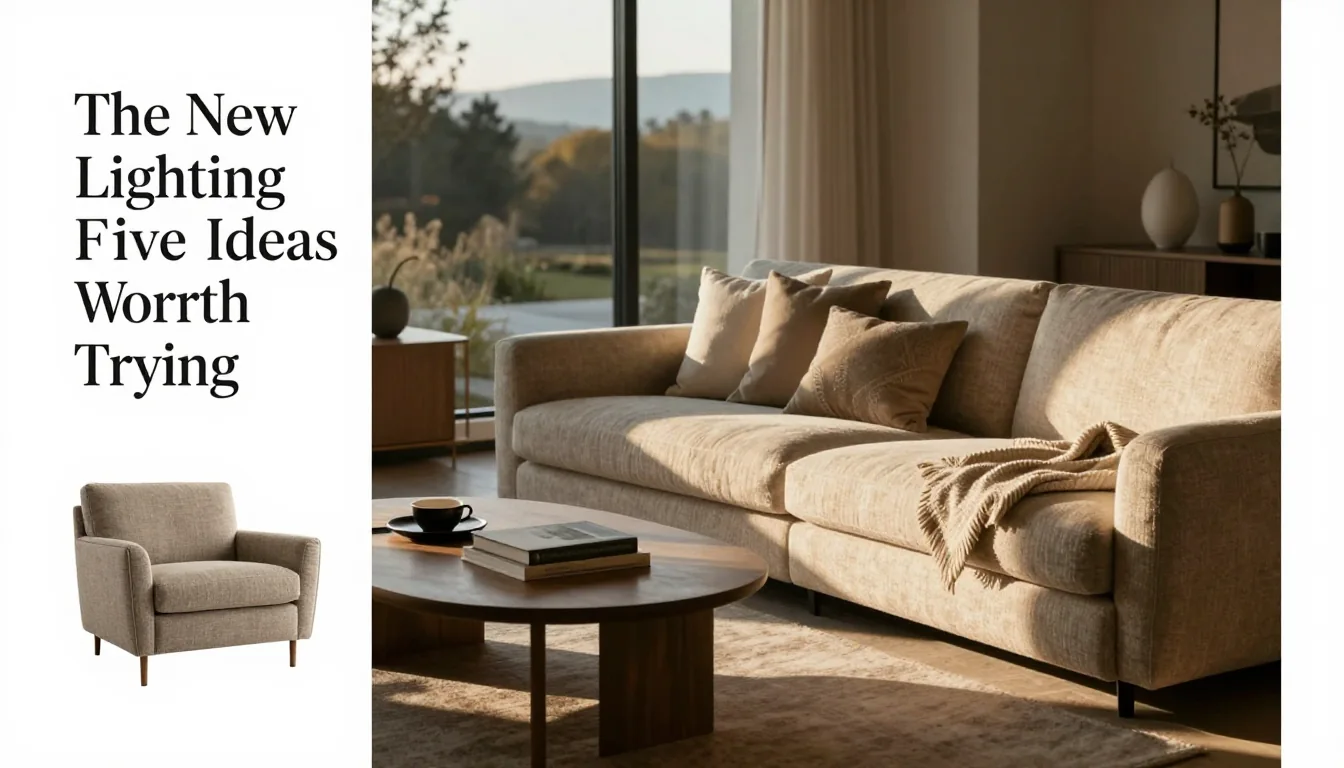
Strategic Placement: Integrating Light into the Space
Consider vertical and horizontal distribution. Instead of placing all light sources on the floor or table surfaces, integrate them vertically using wall sconces or picture lights. For a reading nook, for example, mounting a swing arm sconce at eye level (approx. 58–62 inches from the floor) provides focused task lighting without requiring the user to crane their neck over a side lamp. This strategic height ensures illumination falls directly onto the book or page.
Avoid the common mistake of placing too many competing light sources in close proximity, which results in visual chaos and conflicting shadows. When designing a zone—such as a dining area—ensure that the primary overhead fixture is centered correctly over the table, allowing for adequate spread (the fixture should span roughly half the width of the table). Supplementary task lighting can then be used on adjacent sideboards or buffet tables to prevent dark corners from appearing.
The transition between zones must be seamless. Use dimmers universally across all layers of light in a single room. Dimmers transform functional lighting into atmospheric design, allowing you to shift the mood instantly—from high-intensity focus for work, down to a soft 2700K glow for evening conversation. This flexibility is perhaps the most valuable feature of sophisticated lighting design, turning fixed fixtures into responsive elements that support your life.