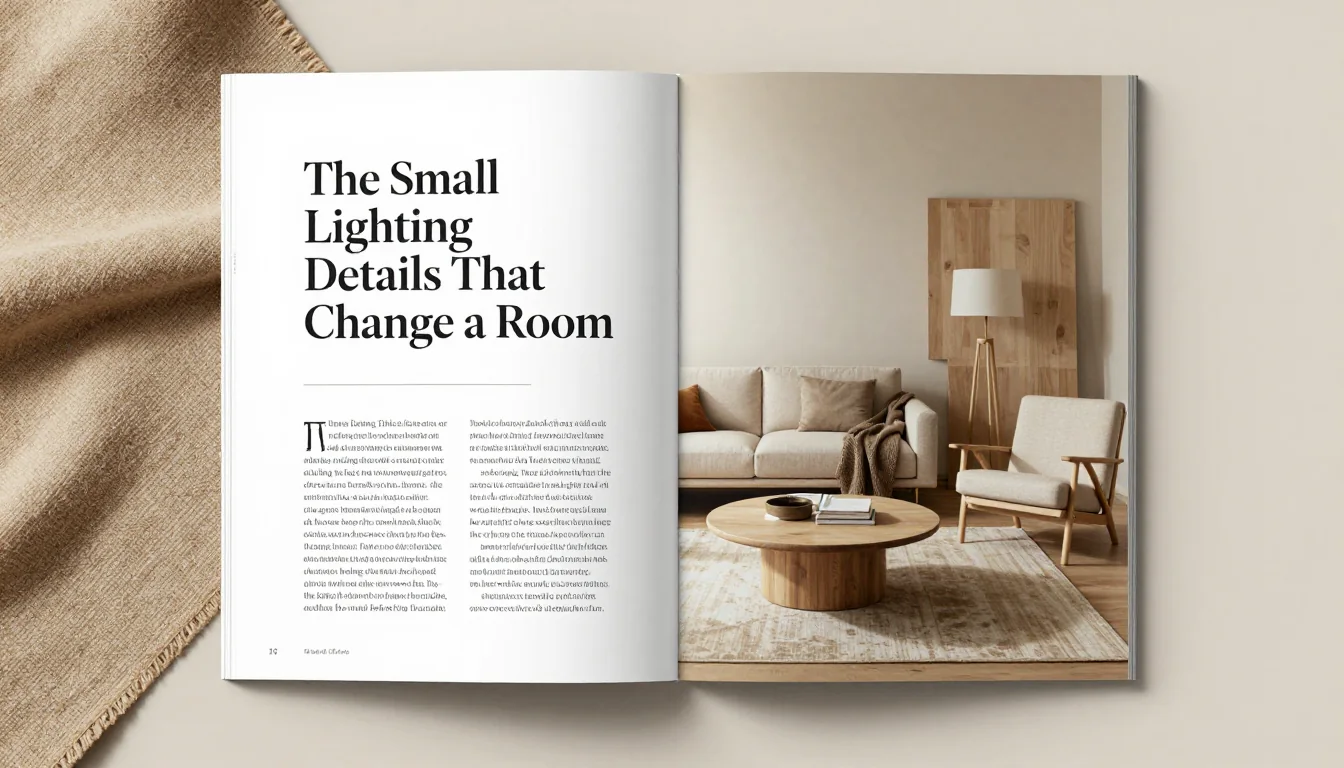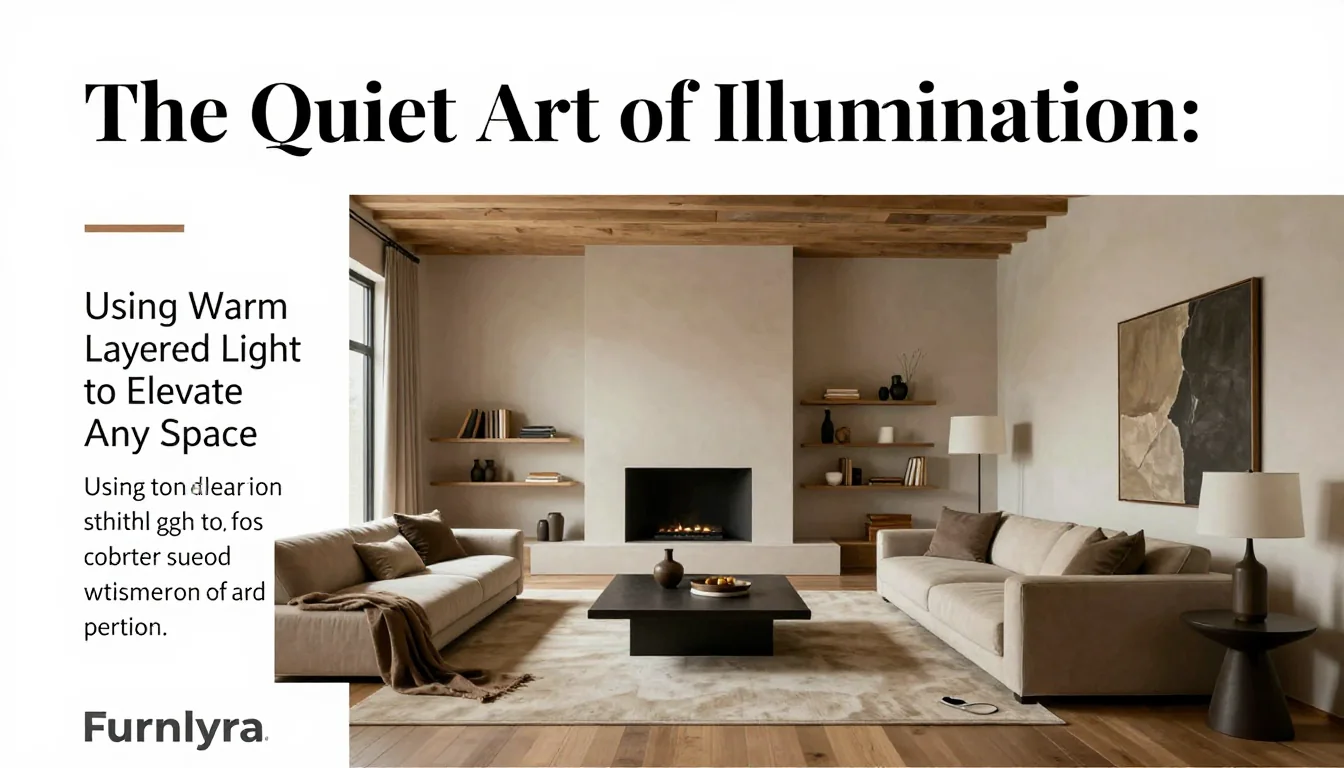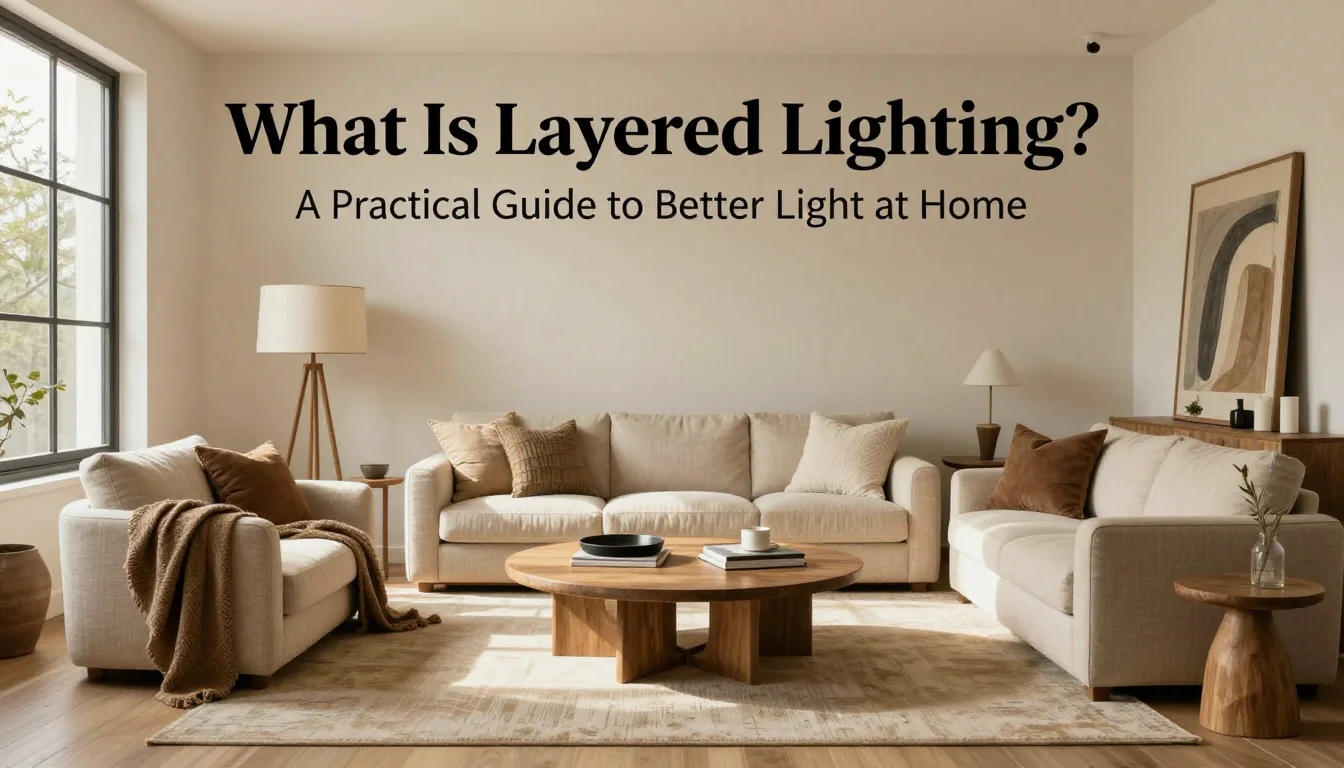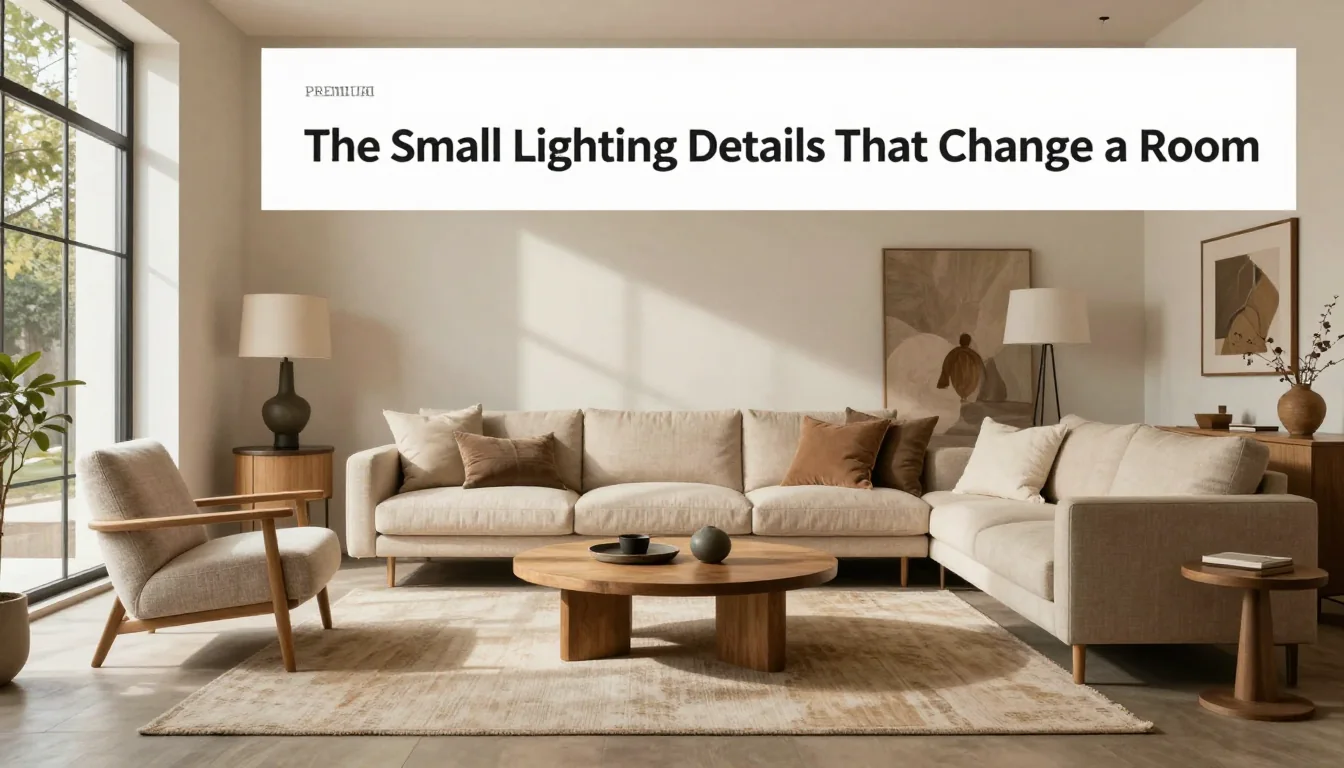
Light is arguably the most potent tool in an interior designer’s arsenal, capable of transforming a functional space into a dramatic sanctuary or making a mundane corner feel intentionally curated. Moving beyond the simple selection of fixtures requires adopting a mindset of 'choreographing photons.' True atmospheric design relies on layering—the strategic deployment of various light sources that work synergistically rather than competing against one another. By understanding how to balance broad illumination with focused intensity, you can introduce dimension, guide the eye, and establish a profound emotional resonance within your home.
Establishing Ambient Foundation: Diffusion and Color Temperature
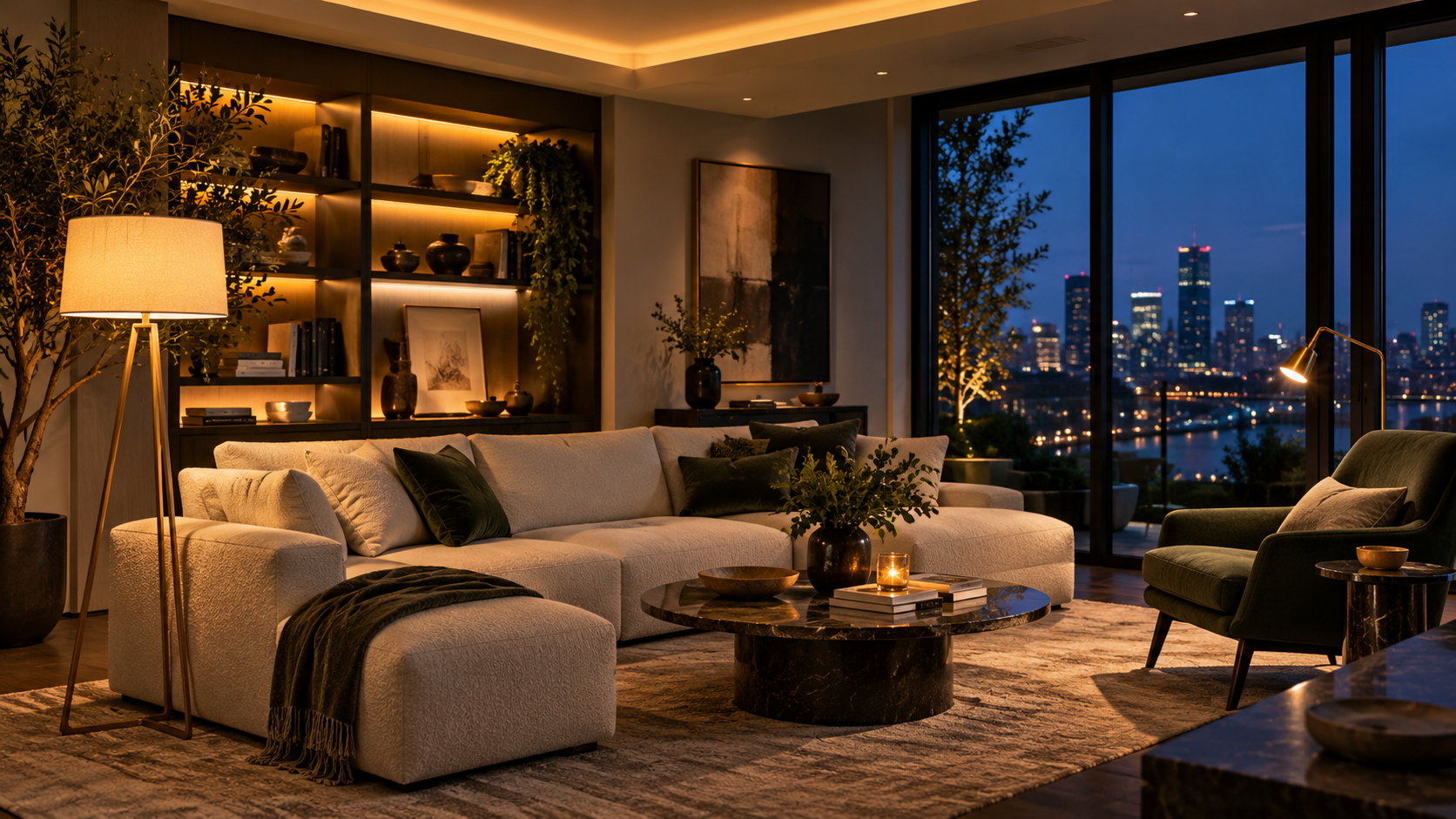
The ambient layer forms the visual canvas of the room. Instead of relying on a single overhead fixture to provide uniform wash, which inevitably flattens surfaces and creates harsh shadows, aim for dispersed foundational light. This is best achieved through multiple zones—consider recessed lighting placed in clusters rather than one centralized point, or incorporating indirect illumination via ceiling coves or picture lights that graze walls. The goal of this initial layer is comfortable visual envelope, ensuring no single area feels suddenly plunged into darkness.
When selecting bulbs for ambient light, the color temperature (measured in Kelvin, K) dictates the mood. For living areas and bedrooms, prioritize warm tones, ideally between 2700K and 3000K. This hue mimics natural sunset glow or candlelight, signaling comfort and relaxation. Conversely, while cooler temperatures (4000K+) are highly effective for task-specific environments like home offices or kitchens where clarity is paramount, using them in leisure spaces can render the room feeling clinical and sterile.
A common mistake is choosing fixtures based solely on aesthetic appeal without considering light distribution. Always check fixture specifications for beam angle; wide-angle lights (e.g., 60 degrees) are ideal for general ambient wash, while narrow beams should be reserved for accenting. Furthermore, integrating dimmers into every primary light source is crucial. The ability to modulate intensity allows you to adjust the room's mood throughout the day—from bright morning clarity to soft evening intimacy.
Integrating Purposeful Illumination: Ergonomics and Function
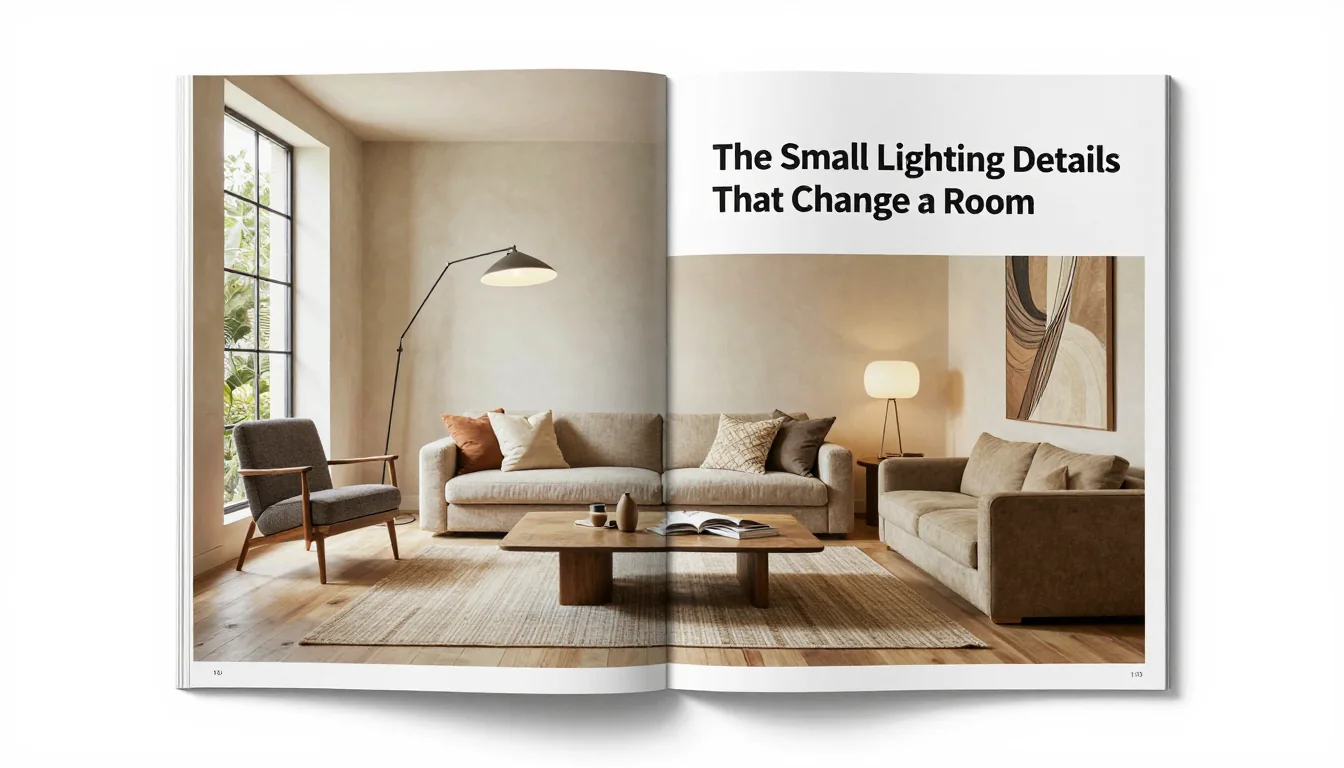
Task lighting transforms a beautiful space into a truly functional one. These focused light sources are not merely decorative; they are ergonomic necessities. Placement must be highly targeted to illuminate the activity without causing eye strain or distracting glare. For instance, a reading lamp positioned next to an armchair should be placed at a height that directs the beam slightly downward onto the page, typically between 45 and 60 inches from the floor.
In areas like kitchens or craft spaces, under-cabinet LED strips provide essential working light by eliminating shadows cast by overhead fixtures. These linear sources are highly effective because they illuminate horizontal surfaces directly. When planning these installations, ensure the fixture depth is appropriate for your cabinet profile; a strip that is too wide may look bulky, while one that is too narrow may not adequately cover a standard 36-inch counter.
A frequent functional trade-off involves selecting between highly directional and diffused task lighting. Highly focused spotlights offer maximum utility but can create stark pools of light, which visually clutter the space. Diffused fixtures provide broader illumination with less visual aggression, making them better suited for detailed work where prolonged focus is required, such as sewing or intricate model building.
Sculpting Atmosphere: The Impact of Accent Lighting
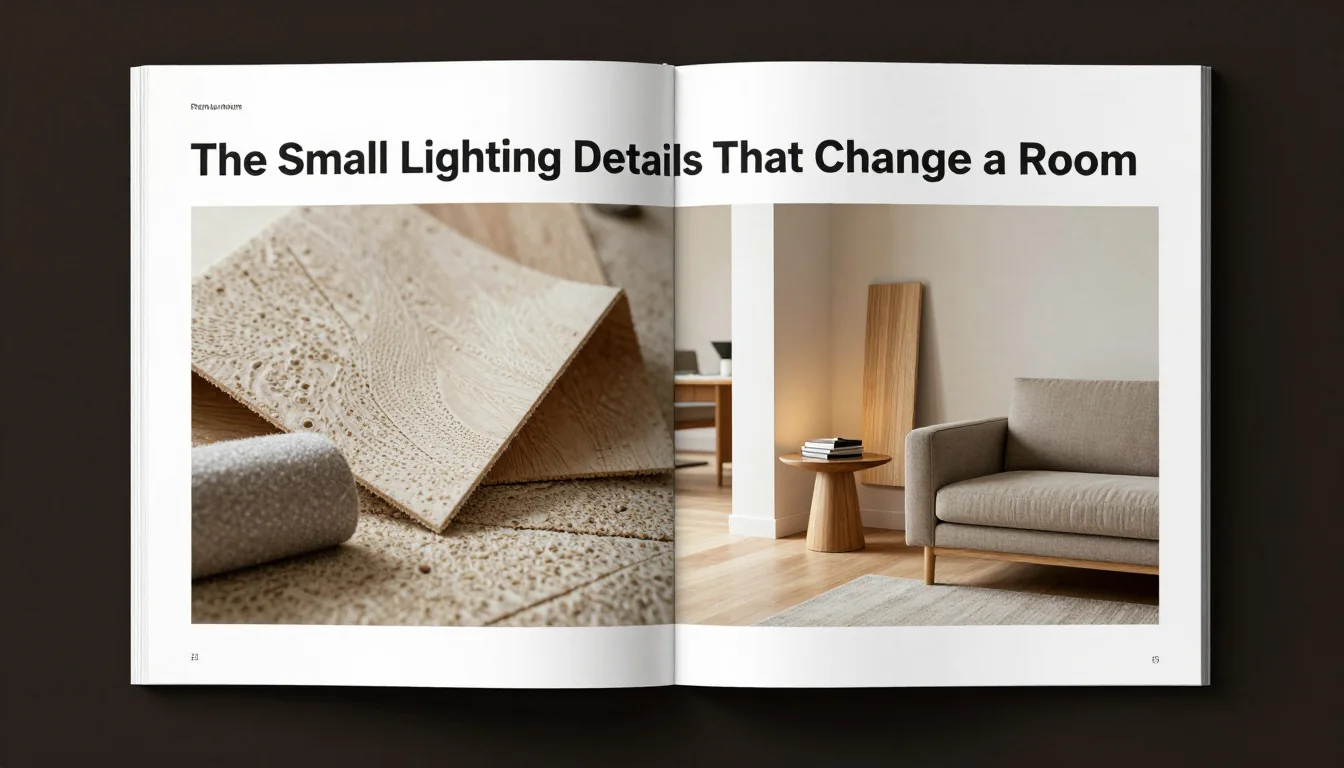
The final layer—accent and mood lighting—is what elevates the space from merely functional to dramatically curated. This light is designed not for utility, but for visual interest. By using focused spotlights or narrow-beam wall sconces, you guide the viewer's attention to specific features: a textured plaster wall, a collection of ceramics, or a striking architectural detail.
To effectively highlight texture, the light source should be positioned at an angle (approximately 30 to 45 degrees) relative to the surface. Grazing light—where the beam skims across the material—emphasizes every subtle variation in depth and texture, making a flat wall feel dynamic. If you are accenting artwork, ensure the light fixture is mounted high enough that the beam covers the entire piece without creating distracting hotspots or shadows on surrounding furniture.
The most impactful mood lighting comes from sources hidden within architectural features—such as low-level uplighting tucked into shelving units or behind built-in seating. These subtle glows create pockets of warmth and depth, providing visual anchors in large rooms. Be cautious when integrating these; while they enhance intimacy, excessive use can lead to a dark, cave-like effect. The key is balance: allow the accent light to enrich the ambient layer, never overpower it.